Archives

Delving Beyond the Shelving Podcast: Decongesting Phenylephrine Rumors

Learning Objectives

After completing this application-based continuing education activity, pharmacists and pharmacy technicians will be able to:

  • RECALL the history of phenylephrine’s approval and the FDA’s over-the-counter (OTC) approval process
  • DESCRIBE the rise and fall of phenylephrine’s popularity
  • DIFFERENTIATE oral phenylephrine from other routes of administration and their importance in practice
  • DISTINGUISH alternative OTC congestion products to patients

      Cute cartoon pill bottles on shelves with the words Delving Beyond The Shelving

       Release Date

      Release Date: March 20, 2026

      Expiration Date: March 20, 2029

      Course Fee

      FREE

      There is no funding for this CE.

      ACPE UANs

      Pharmacist: 0009-0000-26-019-H99-P

      Pharmacy Technician: 0009-0000-26-019-H99-T

      Session Codes

      Pharmacist: 26POD19-YQX98

      Pharmacy Technician: 26POD19-XYQ89

      Accreditation Hours

      0.5 hours of CE

      Accreditation Statements

      The University of Connecticut School of Pharmacy is accredited by the Accreditation Council for Pharmacy Education as a provider of continuing pharmacy education.  Statements of credit for the online activity ACPE UAN 0009-0000-26-019-H99-P/T will be awarded when the post test and evaluation have been completed and passed with a 70% or better. Your CE credits will be uploaded to your CPE monitor profile within 2 weeks of completion of the program.


      Disclosure of Discussions of Off-label and Investigational Drug Use

      The material presented here does not necessarily reflect the views of The University of Connecticut School of Pharmacy or its co-sponsor affiliates. These materials may discuss uses and dosages for therapeutic products, processes, procedures and inferred diagnoses that have not been approved by the United States Food and Drug Administration. A qualified health care professional should be consulted before using any therapeutic product discussed. All readers and continuing education participants should verify all information and data before treating patients or employing any therapies described in this continuing education activity.

      Faculty

      Dylan Decandia PharmD

      Freelance Medical Writer, Franklyn’s Pharmacy

      Ho-Ho-Kus, NJ


      Faculty Disclosure

      In accordance with the Accreditation Council for Pharmacy Education (ACPE) Criteria for Quality and Interpretive Guidelines, The University of Connecticut School of Pharmacy requires that faculty disclose any relationship that the faculty may have with commercial entities whose products or services may be mentioned in the activity.

      Dylan Decandia PharmD has no relationships with ineligible companies.


      Dylan Decandia, PharmD discusses topics in the pharmacy world with a new guest each episode. Catch the next episode on Spotify or Apple Podcasts.

      DELVING BEYOND THE SHELVING PODCAST EPISODE 1

      Pharmacist Post Test (for viewing only)

      POST TEST QUESTIONS
      Pharm Fresh podcast Episode 1: Decongesting Phenylephrine Rumors
      26-019 P

      1. What is the formal name of the FDA’s “recipe book” for approved over-the-counter products?
      a. OTC Monograph
      b. FDA Approved OTCs
      c. Monograph of Federal Approvals

      *

      2. When was Hatton and Hendeles’ first Citizens Petition for phenylephrine?
      a. 2007
      b. 2009
      c. 2015
      *

      3. What was Hatton and Hendeles goal in the first Citizens Petition?
      a. The FDA should remove oral phenylephrine from the market due to safety issues
      b. The FDA should increase the recommended daily dose of oral phenylephrine
      c. The FDA should move oral phenylephrine behind the counter with pseudoephedrine

      *

      4. Which law enacted in the 2000s was believed to cause increases in phenylephrine sales?
      a. Family Smoking Prevention and Tobacco Control Act of 2009
      b. Food and Drug Administration Amendments Act of 2007
      c. Combat Methamphetamine Act of 2005

      *

      5. All phenylephrine routes of administration are effective in current therapies EXCEPT:
      a. Ophthalmic
      b. Intranasal
      c. Oral

      *

      6. Which disease state indicates an intranasal phenylephrine product over an oral decongestant such as pseudoephedrine?
      a. Uncontrolled Hypertension
      b. Nasal Polyps
      c. Rhinitis Medicamentosa

      *

      7. Which condition limits some congestion self-treatments to 3 days or less?
      a. Uncontrolled Hypertension
      b. Nasal Polyps
      c. Rhinitis Medicamentosa

      *

      8. A mother presents to the pharmacy with her 9-year-old child. She states the child is congested, despite using Flonase for the last 2 months for allergies. As the pharmacist, what do you recommend to this patient?
      a. Flonase Sensimist. She has exhausted the regular Flonase product and continued use might irritate the child’s nasal passages
      b. Neti Pot. The patient has exhausted all Flonase products and non-pharmacological treatment may benefit this patient.
      c. Recommend the patient to see their pediatrician. Over-the-counter treatment is no longer indicated in this patient.

      Pharmacy Technician Post Test (for viewing only)

      POST TEST QUESTIONS
      Pharm Fresh podcast Episode 1: Decongesting Phenylephrine Rumors
      26-019 T

      1. What is the formal name of the FDA’s “recipe book” for approved over-the-counter products?
      a. OTC Monograph
      b. FDA Approved OTCs
      c. Monograph of Federal Approvals

      *

      2. When was Hatton and Hendeles’ first Citizens Petition for phenylephrine?
      a. 2007
      b. 2009
      c. 2015
      *

      3. What was Hatton and Hendeles goal in the first Citizens Petition?
      a. The FDA should remove oral phenylephrine from the market due to safety issues
      b. The FDA should increase the recommended daily dose of oral phenylephrine
      c. The FDA should move oral phenylephrine behind the counter with pseudoephedrine

      *

      4. Which law enacted in the 2000s was believed to cause increases in phenylephrine sales?
      a. Family Smoking Prevention and Tobacco Control Act of 2009
      b. Food and Drug Administration Amendments Act of 2007
      c. Combat Methamphetamine Act of 2005

      *

      5. All phenylephrine routes of administration are effective in current therapies EXCEPT:
      a. Ophthalmic
      b. Intranasal
      c. Oral

      *

      6. Which disease state indicates an intranasal phenylephrine product over an oral decongestant such as pseudoephedrine?
      a. Uncontrolled Hypertension
      b. Nasal Polyps
      c. Rhinitis Medicamentosa

      *

      7. Which condition limits some congestion self-treatments to 3 days or less?
      a. Uncontrolled Hypertension
      b. Nasal Polyps
      c. Rhinitis Medicamentosa

      *

      8. A mother presents to the pharmacy with her 9-year-old child. She states the child is congested, despite using Flonase for the last 2 months for allergies. As the pharmacist, what do you recommend to this patient?
      a. Flonase Sensimist. She has exhausted the regular Flonase product and continued use might irritate the child’s nasal passages
      b. Neti Pot. The patient has exhausted all Flonase products and non-pharmacological treatment may benefit this patient.
      c. Recommend the patient to see their pediatrician. Over-the-counter treatment is no longer indicated in this patient.

      References

      Full List of References

      P5#. FDA Proposes Ending Use of Oral Phenylephrine as OTC Monograph Nasal Decongestant Active Ingredient After Extensive Review. U.S. Food and Drug Administration. November 07, 2024. Accessed January 14, 2025. https://www.fda.gov/news-events/press-announcements/fda-proposes-ending-use-oral-phenylephrine-otc-monograph-nasal-decongestant-active-ingredient-after

      P8#. Amending Over-the-Counter Monograph M012: Cold, Cough, Allergy, Bronchodilator, and Antiasthmatic Drug Products for Over-the-Counter Human Use. Federal Register. November 11, 2024. Accessed January 15, 2025. https://www.federalregister.gov/d/2024-25910

      P35#. OTC Drug Review Process | OTC Drug Monographs. U.S. Food and Drug Administration. October 10, 2023. Accessed January 29, 2025. https://www.fda.gov/drugs/otc-drug-review-process-otc-drug-monographs

      P36#. FAQs About the OTC Review. Consumer Healthcare Products Association. Accessed February 10, 2025. https://www.chpa.org/about-consumer-healthcare/faqs/faqs-about-otc-review#:~:text=Each%20panel%20was%20charged%20with,of%20Federal%20Regulations%20(CFR)

      P9#. Cold, Cough, Allergy, Bronchodilator, and Antiasthmatic Drug Products for Over-the-Counter Human Use; Amendment of Monograph for OTC Nasal Decongestant Drug Products. Federal Register. August 1, 2006. Accessed January 15, 2025. https://www.federalregister.gov/d/E6-12265

      P4#. Code of Federal Regulations Title 21. National Archives. Last amended June 3, 2025. Accessed May 5, 2025. https://www.ecfr.gov/current/title-21/chapter-I/subchapter-A/part-10/subpart-B/section-10.30

      P7#. Hendeles L, Hatton R. Supplement to Oral Phenylephrine Citizen's Petition (FDA 2015-P-4131). May 2022. Accessed January 15, 2025. https://downloads.regulations.gov/FDA-2015-P-4131-0007/attachment_1.pdf

      P3#. Legal Requirements for the Sale and Purchase of Drug Products Containing Pseudoephedrine, Ephedrine, and Phenylpropanolamine. U.S. Food and Drug Administration. July 14, 2025. Accessed January 12, 2025. https://www.fda.gov/drugs/information-drug-class/legal-requirements-sale-and-purchase-drug-products-containing-pseudoephedrine-ephedrine-and

      P20#. Oral Phenylephrine as a Nasal Decongestant in the Cold, Cough, Allergy, Bronchodilator, and Antiasthmatic (CCABA) OTC Monograph. 2023 Nonprescription Drugs Advisory Committee Meeting. U.S. Food and Drug Administration. September 11-12, 2024. Accessed January 18, 2025. https://www.fda.gov/advisory-committees/advisory-committee-calendar/updated-september-11-12-2023-meeting-nonprescription-drugs-advisory-committee-meeting-announcement#event-materials.

      P19#. Hendeles L, Hatton R. Citizen’s petition 2015-P-4131-0001 requesting a final rule removing oral phenylephrine from the final monograph for OTC nasal decongestant products. November 4, 2015. https://downloads.regulations.gov/FDA-2015-P-4131-0001/attachment_1.pdf. Accessed May 6, 2025.

      P17#. FDA Response to 2015 Citizens Petition. U.S. Food and Drug Administration. November 8, 2024. Accessed January 22, 2025.

      P33#. Interim Response FDA-2015-P-4131. U.S. Food and Drug Administration. May 6, 2016. Accessed January 20, 2025. https://downloads.regulations.gov/FDA-2015-P-4131-0004/attachment_1.pdf

      P1#. Phenylephrine, a Common Decongestant, Is Ineffective, Say FDA Advisors. It’s Not Alone. October 05, 2023. Accessed January 10, 2025. https://medicine.yale.edu/news-article/phenylephrine-a-common-decongestant-is-ineffective-say-fda-advisors-its-not-alone/

      P6#. Food and Drug Administration Center for Drug Evaluation and Research Final Summary Minutes of the Nonprescription Drugs Advisory Committee Meeting. October 2, 2023. Accessed January 14, 2025. https://www.fda.gov/media/172701/download

      P32#. Anderson T, Suda K, Gellad W. Trends in Phenylephrine and Pseudoephedrine Sales in the US. March 5, 2024. DOI: 10.1001/jama.2023.27932.

      P10#. CVS Health to no longer sell decongestants with phenylephrine as the only active ingredient. NBC News. October 19, 2023. Accessed January 15, 2025.
      https://www.nbcnews.com/business/consumer/cvs-health-pull-decongestants-phenylephrine-shelves-rcna121310

      P37#. FDA Requests Removal of All Ranitidine Products (Zantac) from the Market. U.S. Food and Drug Administration. April 1, 2020. Accessed February 8, 2025. https://www.fda.gov/news-events/press-announcements/fda-requests-removal-all-ranitidine-products-zantac-market

      P11#. Phenylephrine Nasal Spray. MedlinePlus. November 15, 2016. Accessed January 16, 2025. https://medlineplus.gov/druginfo/meds/a616049.html#:~:text=Phenylephrine%20comes%20as%20a%200.125,to%2012%20years%20of%20age.

      P16#. Phenylephrine (Topical). Memorial Sloan Kettering Cancer Center. December 12, 2022. Access January 17, 2025. https://www.mskcc.org/cancer-care/patient-education/medications/adult/phenylephrine-topical

      P12#. Phenylephrine (ophthalmic route). Mayo Clinic. Accessed January 16, 2025.
      https://www.mayoclinic.org/drugs-supplements/phenylephrine-ophthalmic-route/description/drg-20067902

      P13#. Phenylephrine (intravenous route). Mayo Clinic. Accessed January 16, 2025.
      https://www.mayoclinic.org/drugs-supplements/phenylephrine-intravenous-route/description/drg-20110237

      P14#. Morelli A, Ertmer C, Rehberg S, Lange M. Phenylephrine versus norepinephrine for initial hemodynamic support of patients with septic shock: a randomized, controlled trial. November 18, 2008. Accessed January 16. 2025. https://ccforum.biomedcentral.com/articles/10.1186/cc7121.

      P15#. Cooper B. Review and update on inotropes and vasopressors. January 2008. Accessed January 17, 2025. DOI: 10.1097/01.AACN.0000310743.32298.1d

      P24#. Johnson D, Hricik J. The pharmacology of Alpha-Adrenergic Decongestants. Pharmacotherapy. November-December 1993. Accessed January 20, 2025. https://pubmed.ncbi.nlm.nih.gov/7507588/

      P25#. Guideline for the Prevention, Detection, Evaluation, and Management of High Blood Pressure in Adults: A Report of the American College of Cardiology/American Heart Association Task Force on Clinical Practice Guidelines. American Heart Association. November 13, 2017. Accessed January 20, 2025. https://www.ahajournals.org/doi/10.1161/hyp.0000000000000065

      P26#. Label: SUDAFED SINUS CONGESTION 24 HOUR- pseudoephedrine hydrochloride tablet, film coated, extended release. DailyMed. Last updated March 20, 2023. Accessed January 20, 2025. https://dailymed.nlm.nih.gov/dailymed/drugInfo.cfm?setid=d389347d-eaa3-4571-9b84-21e662db622d

      P27#. Is Rinsing Your Sinuses With Neti Pots Safe? U.S. Food and Drug Administration. Last updated April 28, 2025. Accessed March 5, 2025.
      https://www.fda.gov/consumers/consumer-updates/rinsing-your-sinuses-neti-pots-safe#:~:text=Some%20children%20are%20diagnosed%20with,might%20not%20tolerate%20the%20procedure

      P28#. Rhinocort (budesonide) Nasal Spray Label. U.S. Food and Drug Administration. December 28, 2010. Accessed March 5, 2025. https://www.accessdata.fda.gov/drugsatfda_docs/label/2010/020746s026lbl.pdf

      P23#. Pseudoephedrine Capsules and Tablets. Cleveland Clinic. Last reviewed February 2024. Accessed January 20, 2025.
      https://my.clevelandclinic.org/health/drugs/20768-pseudoephedrine-capsules-and-tablets

      P29#. Label: NASACORT ALLERGY 24HR- triamcinolone acetonide spray, metered. DailyMed. Last updated July 1, 2024. Accessed March 5, 2025. https://dailymed.nlm.nih.gov/dailymed/drugInfo.cfm?setid=4bff57a5-cce0-401c-a0fe-23c65c1b7ddc

      P30#. FLONASE (fluticasone propionate) nasal spray label. U.S. Food and Drug Administration. December 28, 2010. Accessed March 5, 2025.
      https://www.accessdata.fda.gov/drugsatfda_docs/label/2019/020121s045lbl.pdf

      P31#. Label: FLONASE SENSIMIST ALLERGY RELIEF- fluticasone furoate spray, metered. Updated December 19, 2024. Accessed March 5, 2025. https://dailymed.nlm.nih.gov/dailymed/drugInfo.cfm?setid=107100af-7ca2-44e8-b067-c0ab0a19a6dc

      P21#. Hermelingmeier K, Weber R, Hellmich M. Nasal irrigation as an adjunctive treatment in allergic rhinitis: A systematic review and meta-analysis. September-October 2012. Accessed May 5, 2025. https://pmc.ncbi.nlm.nih.gov/articles/PMC3904042/

      P22#. Reinikainen L, Jaakkola J. Significance of humidity and temperature on skin and upper airway symptoms. December 13, 2003. DOI: 10.1111/j.1600-0668.2003.00155.x.

      P34#. Hatton R, Hendeles L. What we have learned from trying to remove oral phenylephrine from the market. January 29, 2025. Accessed March 5, 2025. https://doi.org/10.1002/jac5.2080
      P35# Amending Over-the-Counter Monograph M012: Cold, Cough, Allergy, Bronchodilator, and Antiasthmatic Drug Products for Overthe-Counter Human Use. November 7, 2024. Accessed August 3, 2025. https://www.regulations.gov/document/FDA-2024-N-4734-0001.

      The Mediterranean Diet’s Effect on Health

      Learning Objectives


      After completing this application-based continuing education activity, pharmacists and pharmacy technicians will be able to

      ·       Review the Mediterranean diet’s history and essential components
      ·       Discuss the relationship between culture, associated foods, and proven health benefits
      ·       Describe the relationship between the Mediterranean diet and the human microbiome
      ·       Discuss the pharmacist’s role as a resource for disseminating accurate, concise information to patients about the Mediterranean diet

      Release Date:

      Release Date: October 17, 2025

      Expiration Date: October 17, 2028

      Course Fee

      FREE

      There is no grant funding for this CE activity

      ACPE UANs

      Pharmacist: 0009-0000-25-070-H99-P

      Pharmacy Technician: 0009-0000-25-070-H99-T

      Session Codes

      Pharmacist:  19YC53-HKX42

      Pharmacy Technician:  19YC53-PWK93

      Accreditation Hours

      1.5 hours of CE

      Accreditation Statements

      The University of Connecticut School of Pharmacy is accredited by the Accreditation Council for Pharmacy Education as a provider of continuing pharmacy education.  Statements of credit for the online activity ACPE UAN 0009-0000-25-070-H99-P/T  will be awarded when the post test and evaluation have been completed and passed with a 70% or better. Your CE credits will be uploaded to your CPE monitor profile within 2 weeks of completion of the program.


      Disclosure of Discussions of Off-label and Investigational Drug Use

      The material presented here does not necessarily reflect the views of The University of Connecticut School of Pharmacy or its co-sponsor affiliates. These materials may discuss uses and dosages for therapeutic products, processes, procedures and inferred diagnoses that have not been approved by the United States Food and Drug Administration. A qualified health care professional should be consulted before using any therapeutic product discussed. All readers and continuing education participants should verify all information and data before treating patients or employing any therapies described in this continuing education activity.

      Faculty

       Jill Fitzgerald, PharmD

      Former Director (retired) of Pharmacy Professional Development,

      University of Connecticut School of Pharmacy,

      Storrs, CT


      Sonya Kremenchugsky, PharmD

      Pharmacist, The Valley Hospital,

      Ridgewood, NJ


      Zachary McPherson, PharmD,

      Pharmacist, Walgreens, CT


      Morgan Miller, PharmD

      Dispensary Pharmacist

      Bluepoint Wellness

      Branford, CT       

      Faculty Disclosure

      In accordance with the Accreditation Council for Pharmacy Education (ACPE) Criteria for Quality and Interpretive Guidelines, The University of Connecticut School of Pharmacy requires that faculty disclose any relationship that the faculty may have with commercial entities whose products or services may be mentioned in the activity.

      Drs. Fitzgerald, Kremenchugsky, McPherson, and Miller do not have any relationships with ineligible companies and therefore have nothing to disclose.


      ABSTRACT

      Pharmacists are the most accessible health care professionals, and have several opportunities to promote healthy lifestyles with all of their patients. Diet can be described as empiric (what people actually eat) or normative (what they should eat). The Mediterranean Diet is a normative concept. Its unique food pyramid has been proven to contribute to improved overall health and cardio- vascular health in particular. It influences the human microbiome positively.
      Many healthcare programs and providers recommend this diet for patients with chronic disease. A good understanding of its principles can help pharmacists shape their discussions with patients to guide them on a path to overall better health.

      CONTENT

      Content

      INTRODUCTION

      Humans’ overall health is derived in part from our diets and physical activity. Diet plays a significant role in cardiovascular disease, gastrointestinal diseases, hypertension, and obesity.1,2 In November 2018, The University of Connecticut hosted a conference in Florence, Italy, called “The Mediterranean Diet from an Italian Perspective.” Historians, scientists, and nutrition experts with diverse backgrounds who were primarily from Italy presented comprehensive information about the Mediterranean diet to U.S. pharmacists and dietitians. This continuing education activity reviews information covered in that conference and provides pharmacy teams with a better understanding of the term, “Mediterranean diet.” Educated and accessible health professionals can potentially minimize the incidence of diet-related diseases.

      The human diet has changed with time. Humans started as hunter-gatherers (also called foragers by proponents of the currently popular Paleo diet), which entailed considerable physical activity coupled with a high protein, low carbohydrate diet.

      Some subsets of the human population shifted to an agricultural lifestyle about 11,000 years ago; this is a relatively recent change if one considers that humans have roamed the earth for roughly 2 million years. The change tended to localize groups of people, galvanize population growth, and eventually, allow the development of urban centers. In the last two centuries, these changes supported and encouraged global industrialization and urbanization.3,4

      Many researchers have blamed the current epidemic of certain diseases on the change from whole foods to a high carbohydrate, processed diet associated with industrialization. They also cite relationship between the industrial revolution and the availability of (and perception that we “need”) processed foods, artificial sweeteners, and preservatives. Most people’s diets are completely different from either the hunter-gatherer or agricultural diet consumed by people who farmed. The combination of today’s diet coupled with sedentary lifestyle has led to unforeseeable, clearly preventable health consequences.3,4 Anthropologists have always looked for links between food and diet, human biological and cultural evolution, and population health. In the last 50 years, medical researchers have joined them.

      Hippocrates once said, “Let food be thy medicine and medicine be thy food.” Today, the Western diet is generally high in saturated fat and sucrose, and contains insufficient fiber. This diet increases the risk of obesity, asthma, diabetes, and inflammatory bowel disease.5 Our society has evolved from older and seemingly healthier diets to less healthy diets replete with processed foods.

      This continuing education activity focuses on the Mediterranean diet and its potential to impact health. Researcher Ancel Keys coined the phrase “The Mediterranean diet” to describe a diet he observed near Naples, Italy in the 1950s. The term does not actually describe how people of the Mediterranean currently eat, and its definition is imprecise and somewhat fluid today. The Mediterranean diet is based on a different food pyramid (discussed below) than the traditional pyramid seen in Westernized countries. The activity will cover Ancel Keys and his discoveries from the Seven Country Study alongside his cholesterol hypothesis. The diet, which is rich in fiber and fermented food and drinks, like wines and cheeses, can improve health by nourishing our gut microbiome (the microorganisms that comprise our gut ecosystem and are necessary to digest food, synthesize vitamins, metabolize drugs, and detoxify carcinogens; see SIDEBAR, page 3).


      SIDEBAR

      What is the Human Microbiome?

      The human microbiome is the composition of microbes in the human gastrointestinal tract, their genes, and the environment they occupy. In other words, the microbiome is a freestanding ecosystem in each individual’s gut. Of the trillions of microbes that live in or on our bodies, about 90% live within the gastrointestinal tract. The microbiota genome vastly outnumbers the human genome.

      Humans are born with a set of DNA and are germ-free. But over time, different organisms from the outside environment or from foods we consume begin to change our intestinal composition. These elements tend to shape the microbiota all over the body, and the microbes on the skin vary widely from the microbes in the gut. Microbial diversity helps our body function correctly and no two areas on our bodies host the same bacterial composition.

      Recently, researchers have discovered that the microbiome plays a much larger role in health than originally believed. From infancy to death, humans feed their gut microbiome continuously. Each body adapts constantly based on diet. Disruption of the microbiome through poor eating habits and antibiotic use can contribute to the progression of diseases like irritable bowel syndrome, obesity, and cardiovascular disorders. The typical American diet—a diet that often depends on processed or ultra- processed foods—has deteriorated the typical individual’s microbiome.

      The Mediterranean diet contains fermented foods, such as wines and cheeses and an ample portion of fiber, that maintain and nourish the microbiome and promote overall health. The Mediterranean diet contributes to a diverse group of gastrointestinal microbes.12 It provides prebiotics and probiotics. Patients may ask about prebiotics and probiotics, which are available as over-the- counter supplements. It’s important to know the difference, and to know that a good diet can provide both naturally.

      A strong microbiome aids in vitamin synthesis, immune system function, and xenobiotic (chemical compounds [drugs, pesticides, or carcinogens] that are foreign to a living organism) metabolism. It also fortifies the intestine’s impermeability. Some xenobiotics affect health negatively, but others, like supplements and antibiotics, have health benefits. Other functions include biosynthesis of neuro-active metabolites and neurotransmitters like GABA, dopamine, and acetylcholine.

      Nourishing the gut microbiome helps strengthen our body’s anti-tumor response. However, the microbiome is unable to take part in these functions without microbial diversity. More than 20% of our microbiome variability is associated with diet, drugs or supplements consumed, and overall body composition.


      Prebiotics Probiotics
      What’s the difference?


      Substances that

      come mainly from

      fiber to feed the

      beneficial

      gastrointestinal

      bacteria

      Live bacteria found

      in food and/or

      supplements


      Why do we use them?


      To bolster beneficial

      bacteria that can be

      converted into

      products with anti-

      inflammatory

      properties

      To increase the

      amount of

      beneficial bacteria

      in the gut


      What are some examples?


      Legumes, beans,

      peas, oats, bananas,

      berries, asparagus,

      garlic


      Sauerkraut, kimchi,

      fermented cheeses,

      fermented

      vegetables,

      Lactobacillus and

      Bifidobacterium


      Ancel Keys: Linking Health to Blood Cholesterol Ancel Keys (1904-2004) was an American scientist who spent much of his postgraduate career at the University of Minnesota. He studied diet’s influence on health with a particular interest in cholesterol and coronary heart disease. His contributions to understanding diet’s effects on cardiovascular disease made him an icon in cardiovascular nutrition.14 Keys’ interest in cholesterol peaked after World War II (WWII) when he noticed a significant increase in heart disease mortality with the evolution of the American diet.15 Diets are often based on beliefs or perceptions, and at that time, the American people believed that protein from animal sources was the key to a strong nation.

      Dinner always included meat.16 Following WWII, the American diet increasingly included convenience foods—casseroles, Spam, and meatloaf, among other high-calorie or highly processed meals—that allowed men and women to work and still have the family-style dinner they desired with little effort.16

      In the early 1950s, Keys traveled to Europe and observed

      • Italy and Spain had remarkably low rates of heart disease
      • In both Italy and Spain, the wealthy had high rates of cardiovascular disease, but the working class poor had almost no cardiovascular disease
      • People in Mediterranean countries consumed a diet starkly different than that consumed in the United

      Keys commented on the diet of working class families in the Naples, Italy area, writing “Homemade minestrone or vegetable soup, pasta of endless variety, freshly cooked, with tomato sauce, and a sprinkle of cheese, only occasionally enriched with some bits of meat, or served with a little local seafood, a hearty dish of beans (...) red wine and fresh fruit always.”17 He appropriately described the basis of the Mediterranean diet. After noting how American and Mediterranean diets diverged, Keys gathered anecdotal evidence and speculated that dietary habits explained the differences in cardiovascular disease rates be- tween countries. Keys presented his ideas at the 1955 World Health Organization (WHO) meeting, only to be laughed at by senior scientists in attendance.18


      Seven Countries Study & Cholesterol Hypothesis Motivated to dig for answers, Keys began the first multi-country epidemiological study to look for a causal relationship between low-density lipoprotein (LDL) cholesterol and coronary heart disease in 1958. This five-year study enrolled nearly 12,000 men aged 40 to 59 in Finland, Greece, Italy, Japan, the Netherlands, the United States, and Yugoslavia.19

      Keys’ findings, translated into his cholesterol hypothesis, were controversial. The original hypothesis of simply “good fats vs. bad fats” consumption in relation to serum cholesterol unexpectedly needed to include other factors. These factors included the influences of the food and drug industries; level of sugar consumption; and the varying lifestyles of different cultures around the world. This posed a further question: “Is there a diet that is universally healthy for all?” It should be noted that the studies Keys performed were observational, and lacked randomization and control groups. Therefore causation cannot be confirmed. Keys’ critics tended to point out that he “cherry picked” his data to produce the results he desired.

      By 1975, Keys—eager to disseminate his findings—published cookbooks and coined the term “Mediterranean diet.” (Copies of his original cookbook, How to Eat Well and Stay Well the Mediterranean Way, are still available at a price of about $500.00.) With the newly popular Mediterranean diet notion came two different concepts of diet: empiric and normative.

      • The empiric concept of diet is objective, simple, and factual (i.e. what people eat is considered their diet).
      • The normative concept of diet is subjective and “what ought to be” (i.e. people should or should not eat certain ways.”

      Keys’ dietary recommendations, according to his research, are based on the normative concept, and he wanted to make dietary change attractive.14 Keys hoped that adults who adopted a Mediterranean diet lifestyle could reduce their chronic disease burden. Some of the disease states Keys anticipated would be improved by the Mediterranean diet included cardiovascular disease, diabetes, hypertension, and kidney disease.20

      The Mediterranean diet, as Key’s described, mainly consists of fresh fruits and vegetables, beans and legumes, whole grains, bread, and pasta, with small amounts of animal-based proteins consumed less frequently.

      Food marks people’s cultural, religious, personal, and social class identity. Food production not only shapes landscapes and environments, but it also shapes our health. Consuming food is traditionally considered to be a social act, as it brings people together. In many cultures, food is symbolic. So, what do we learn from our food culture? It begins with a socialization process, starting at birth—first with family and friends, then in school and at work. Socialization influences what is “normal” to eat, the acquisition of food itself, and what is available, based on region.

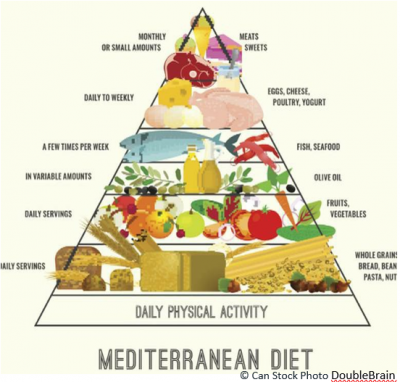
      The Mediterranean Diet pyramid (Figure 1) varies significantly from most food pyramids. Starting at the figure’s base and working upward, conviviality (eating while enjoying good company) and physical activity are essential elements. Thus, the Mediterranean Diet is not only a diet, but a lifestyle. The diet is high in grains, legumes, and fresh produce consumed daily. Bread is served at most meals (see Sidebar on page 4), while meat is consumed less frequently. Olive oil, beans, nuts, legumes, seeds, herbs, and spices provide essential flavor to most meals. Fish or seafood is consumed at least twice weekly and wine is allowed in moderation (no more than five ounces of wine for women and ten ounces for men under the age of 65) daily.21
      The Mediterranean diet is listed as a United Nations Educational, Scientific and Cultural Organization (UNESCO) Intangible Cultural Heritage of Humanity. An Intangible Cultural Heritage encompasses the oral traditions, performing arts, social practices, rituals, festive events, knowledge and practices concerning nature and the universe, or the knowledge and skills to produce traditional crafts.24 As described by UNESCO25: “The Mediterranean diet involves a set of skills, knowledge, rituals, symbols and traditions concerning crops, harvesting, fishing, animal husbandry, conservation, processing, cooking and particularly the sharing and consumption of food. Eating together is the foundation of the cultural identity and continuity of communities throughout the Mediterranean basin. It is a moment of social exchange and communication, an affirmation and renewal of family, group or community identity."

      The diet’s intangible and cultural aspects make it unique; adherence to the diet is based on more than intake of specific foods. The conviviality and social aspect of eating together is an essential part of Mediterranean culture and is included as part of the food pyramid. Investigators have conducted trials to review how the Mediterranean diet affects health outcomes. The PREDIMED study conducted recently compared those who follow the Mediterranean diet to those who do not and their cardiovascular outcomes.


      PAUSE AND PONDER: What does bread symbolize in your religion or culture?

      Does it appear on the table at every meal?


      SIDEBAR

      BREAD

      In the Mediterranean Diet, carbohydrates account for 45% to 55% of daily calories. This is because bread (among other grains) is the most important food in the Mediterranean and many other cultures; it is a symbol of sustenance and livelihood. Bread requires few ingredients, is inexpensive and easy to make, and provides nourishment. Each region of the world has its own way of making bread, from differences in ingredients to the techniques involved in the bread-making process itself.

      The history of bread dates to the Ancient Egyptians in 8000 BC when they invented the first grinding stone, called a quern. The earliest breads more closely resembled porridge or a flat cake. Between 5000 and 3700 BC, bread became a staple food in Egypt and was also used for trade and bartering. Trading bread introduced it to other regions and cultures, expanding its production around the world. Over time, different types of grains and bread-making techniques emerged.

      Greeks, Mexicans, Persians, and many others jumped on the bread bandwagon in the next several centuries. Each population created something unique. By 1000 BC, yeasted breads had become popular in Rome. Bread has always been a form of sustenance; for many centuries the type of bread one ate also represented status. Bread quickly became a symbol of Roman status. White breads were more expensive, and exclusively for the wealthy, while common people generally consumed darker whole wheat breads. The British adopted this same societal structure during medieval times.23

      In many cultures “breaking bread” means bringing family and friends together for just a small meal or even a big holiday celebration.

      In the Italian culture bread is revered for its symbolization of love and nurturing. Bread is never discarded but rather turned into an additional dish or crumbled in soup (ribollita). Consider the Italian tradition of sweeping breadcrumbs from the table into your fist and kissing them; it’s a symbol of the bread’s cultural importance.

      Source: Reference 23


      The PREDIMED Trial

      Published by the New England Journal of Medicine in 2013 and again with corrections in 2018, the PREDIMED study assessed the Mediterranean diet in Spain from 2003 to 2011 and included 7447 men and women at high cardiovascular disease risk with a mean age of 67 years.26,27 The study was a multicenter, randomized, nutrition-intervention, primary prevention trial to test the efficacy of the Mediterranean Diet on the composite endpoint of death from cardiovascular cause, stroke and myocardial infarction. The researchers randomized subjects to one of three groups:

      • Mediterranean diet supplemented with one liter per family per week of extra virgin olive oil
      • Mediterranean diet supplemented with mixed nuts (1 oz/day) or
      • A standard low fat control diet

      While the intervention was originally intended to last six years, the researchers discontinued the trial early and advised all participants to follow a Mediterranean diet. The recommendation came after the study’s data and safety monitoring board realized that participants in either Mediterranean diet arm had significantly improved health statuses. After an average follow up of about 4.8 years, both Mediterranean Diet groups had a significant (30%) reduction in major cardiovascular events compared to the low fat control diet.27

      However, after the 2013 publication, researchers raised questions about the study’s randomization and data analysis, indicating that errors in randomization introduced unintentional bias that made the results/data unreliable. The New England Journal of Medicine retracted the trial.26,28 The specific issue related to randomization was this: Randomization was not conducted consistently and correctly across all sites. For example, at some sites, if more than one participant per house enrolled, investigators would assign both individuals to the same diet. At other sites the research staff randomized entire clinics to a single treatment group instead of each participant.26,28

      The authors reanalyzed and statistically corrected for correlations within families or clinics. The authors also reanalyzed the data and omitted 1588 participants whose trial group assignments were known or suspected to have deviated from the randomization protocol. After reanalysis of he remaining 5859 subjects, the authors found no significant changes from the original study. Reanalysis confirmed a 30% relative difference in major cardiovascular events in those randomized to the Mediterranean diet groups.26

      Despite the controversy over the PREDIMED study, many studies have confirmed the Mediterranean diet’s benefits.29-31 The best time to internalize the elements of good diet is early in life, and in Italy, school systems follow and reinforce the Mediterranean diet’s general principles in their school lunch programs.

      The program used in Florence, Italy is a good example.


      PAUSE AND PONDER: How does the Mediterranean diet differ from what is perceived to be a healthy diet in the US? What factors other than food may play a role in its supposed health benefits?

      School Lunch Program in Florence, Italy

      While many children may learn the practices of the Mediterranean diet at home, the ideals of the normative Mediterranean diet are further ingrained in school through Italian school lunch programs. In the city of Florence, Italy, school staff prepares 24,000 lunches daily in 16 different kitchens. They deliver the meals to different primary schools. Menus rotate every four weeks and the menu changes three times annually to provide seasonally fresh foods. Pediatricians and dietitians develop the menu. Dietitians calculate protein, carbohydrates, fat, and calories for each meal to ensure that they are at national average. However, parents, chefs, and children have significant input as well. Parents are welcome to eat lunch with their children to try a school lunch. Dietary staff rarely serves canned or frozen food with the exception of peas and spinach in the winter. Menus indicate whether the food is organic, local, or both and about 90% of the food falls into these categories.32

      Food from home is generally not allowed, and the school has no vending machines so all food originates from the kitchen. Fresh fruit is provided at around 10 AM in the classroom as a snack. Teachers eat with students during lunch. The lunch room accommodates about 20 students; children set tables, serve, or clear plates. At the end of each month, parents pay for their child’s lunch. The cost is income-based. The highest income level pays 4.90 Euros ($5.60 as of December 2018) per meal, and the lowest income level pays 1.00 Euro ($1.14 as of December 2018) per meal. Certain low-income groups do not pay.32 The main point is that Italy makes a healthy diet affordable for everyone, not just the wealthy.

      Special meals are available to accommodate people who have a variety of food allergies. (Approximately 6% to 8% of the Italian population has allergies, yet roughly 20% of American children suffer from allergies.33 ) There are also Kosher, Halal, and vegetarian options. While chefs prepare these meals differently, they appear visually similar so students do not feel uncomfortable if they receive a different meal.32

      Once children leave primary school, they no longer receive meals in school and it is up to the students and their parents to select foods they eat. The Mediterranean diet is instilled in the everyday lives of children who live in Florence through the school lunch program and these ideals many times continue into adulthood.32 If children continue these habits, evidence suggests health outcomes of interest to pharmacists and other healthcare providers (better cardiovascular health and less chronic illness).

      Aging, Adherence to the Mediterranean Diet, and the Microbiome

      Recently, researchers conducted a study to understand how adherence to the Mediterranean diet in an aging population can be a simple way for people to reduce cardiovascular risk.34 In a study of 476 adults aged 50 to 89 living in Italy, these researchers looked for a link between adherence to the Mediterranean Diet, cardiometabolic disorders and polypharmacy (defined as five or more medications). Using patient self-report, they found that patients who had medium-low adherence to the Mediterranean diet over the years took an average of five medications. Participants in the medium-low adherence group also had a higher body mass index, and a higher prevalence of arterial hypertension, previous coronary and cerebrovascular events, diabetes, and dyslipidemia on average compared to those in the high adherence group.

      Those whose diet most closely resembled the ideal Mediterranean diet, however, took an average of three medications.

      Their conclusion was that adherence to the Mediterranean Diet may decrease polypharmacy and cardiometabolic disorders in elderly, and have a positive preventive effects on health deterioration.34 Using the results of this study, pharmacists can explain to patients how diet changes can potentially affect their pill burden. Polypharmacy can lead to issues such as side effects and drug interactions that can be avoided with simple dietary changes. Dietary changes can also eventually lead to beneficial changes to the human microbiome.

      The industrial revolution changed the American diet. Greater accessibility to a wide variety of foods and mass produced, convenient meals lead to microbiome degradation and dysfunction.35 Most of the food in American grocery stores does not nourish the microbiota, lacking the component key to feeding the microbiome: fiber. Studies have shown an increase in beneficial bacteria, like Bifidobacterium and Lactobacillus, in groups with high fiber diets compared to groups with placebo or low fiber diets.36 Fiber promotes a higher microbial diversity and microbiome resilience. Fruits and vegetables provide a variety of external microbes and probiotics. The combination of fiber and microbes contribute to a healthy gut microbiome. The shift from a non-Western diet to a Western diet has had drastic effects, including a loss of native bacteria strains and a fiber deficit. A Western lifestyle lacks essential components that contribute to a diverse microbiome that leads to long- and short- term health effects.37
      The Relationship with the Mediterranean Diet

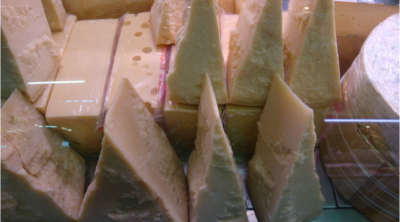
      The Mediterranean diet is not a high carbohydrate diet that contains simply breads and pasta. The diet is composed of fresh fruit, vegetables, fish, whole meal cereals, beans and pulses (edible seeds of plants in the legume family), unsalted nuts and seeds, small amounts of lean meat and low fat dairy, olive oil, fresh herbs and wine.7 Food is not the only component of the diet. Conviviality, or the social aspect of eating, is an essential part alongside physical activity and a relaxed lifestyle. The Mediterranean diet contributes to improved metabolic health through the reduction of circulating bacterial endotoxins and diversity of the microbiota. Increasing levels of bacterial endotoxins have been proposed as a cause of inflammation during metabolic dysfunction.37

      Numerous studies have confirmed the Mediterranean diet diversifies the gut microbiome. One study concluded that the diet increases the probiotic bacteria, Lactobacillus, when compared to the control group that was on a Western diet.13 Researchers replicated these findings in a study of Spanish men who ate a traditional Mediterranean-style diet. Study subjects had increased populations of Bifidobacterium and Lactobacillus. These bacterial species also had the ability to stimulate the growth of other beneficial bacterial species involved in methane and butyrate production.38

      Feeding the human microbiota effectively requires microbiota- accessible carbohydrates (MACs). MACs are a primary source of energy for the microbiome and come from a fiber-rich diet. A MAC-rich diet has few simple sugars, unlike the typical Western diet, and its main contributor to the host metabolism is through small chain fatty acid fermentation of end products of the microbiota. The Western diet is low in MACs which results in a low microbiota diversity and metabolic output.12 Increases in mucus-utilizing microbes, slow gut motility, and increased calories from fat and sugars all contribute to cardiovascular diseases, obesity, and the deterioration of health.12

      Dysbiosis, or microbial imbalance, contributes to the pathogenesis of intestinal and extra-intestinal disease. Inflammatory bowel disease can manifest within our intestinal tract due to dysbiosis.8 Allergies, asthma, metabolic syndrome, cardiovascular disease, and obesity occur outside of our intestines partly due to microbial imbalance.7 Avoiding dysbiosis can help to prevent some of these ailments. Hunter-gatherer diets promote a diverse microbiome since the diet is primarily based on fruits, vegetables, and high fiber content. The microbiome can ferment soluble fibers into short-chain fatty acids that are health- promoting and can help with metabolic syndrome.7

      IMPLICATIONS FOR PHARMACY STAFF

      Today, many healthcare providers steer patients toward a Mediterranean diet to improve cardio-metabolic issues. The American Heart Association devotes a page to the Mediterranean diet, noting that “Mediterranean diet” is a generic term for the typical eating habits in the countries that border the Mediterranean Sea.39 Healthcare organizations and advocacy groups use many different definitions, but often explain that this diet is based on whole or minimally processed foods. It includes many health-protective foods (fruits, vegetables, legumes, whole grains, fish and olive oil) and encourages patients to avoid adverse dietary factors (fast food, sugar-sweetened beverages, refined grain products, and processed or energy-dense foods). It also guides patients to limit red meat and alcohol intake, indulging moderately if at all.39,40

      Pharmacy staff can be a resource for information about the diet, referring patients to local cooking classes or lectures that are given by health clinics. Most healthcare systems offer such classes to their patients and the community, and adult education programs often do, too. They can also target patients who have cardiovascular disease, diabetes, or renal failure for counseling, and steer them to discuss the Mediterranean diet with their health care professionals.

      Table 1. Resources for the Mediterranean Diet
      Oldways Cultural Food Traditions

      https://oldwayspt.org/traditional-diets/mediterranean-diet

      ●   Describes the Mediterranean diet, and also covers the principles and components of African, Asian, Latin, veg- an, and vegetarian diets

      ●   Includes numerous recipes

      ●   Provides links to advocacy groups and related programs

      Mediterranean Diet 101: A Meal Plan and Beginner's Guide

      https://pharmacy.media.uconn.edu/wp-content/uploads/sites/2740/2025/10/MediterraneanDiet-PDF-link-in-the-doc.pdf

      ●   Provides lists of foods, sample menus, and shopping lists

      ●   Offers useful tips on eating out

      What is the Mediterranean Diet?

      https://www.cookinglight.com/eating-smart/nutrition- 101/what-is-the-Mediterranean-diet

      ●   Includes sample meal plans, recipe ideas, shopping lists

      ●   Offers suggestions to add variety to meals

      22 Mediterranean Diet Recipes

      https://www.eatingwell.com/easy-mediterranean-diet-dinnerrecipes-for-weight-loss-11748517https://www.health.com/health/gallery/0,,20718485,00.html

      ●   A slideshow of recipes that incorporate the elements of an Italian or Greek diet

      Pharmacists and technicians should understand the diet and be able to answer questions about its health benefits. Hamilton Family Health Team offers a Mediterranean Diet Scorecard for free that emphasizes important points (https://hamiltonfht.ca/wp-content/uploads/Medi-Diet-Scoring-Tool.pdf) and is a handy tool for pharmacy staff.  Pharmacies can also promote this diet annually in May, which is National Mediterranean Diet Month, with poster campaigns and information sheets.41 Table 1 provides additional resources.

      CONCLUSION

      It’s clear that diet has serious health implications. Astute readers probably noticed several things as they read. First, the Mediterranean diet emanates from food that the poor, working class people ate traditionally. It is based on healthy foods. Second, it’s highly probable that if researchers look at similar diets from other regions of the world, they would find similar health implications. (The authors assume you saw sauerkraut and kimchi listed in the fermented foods list in the Probiotics Sidebar, and reference to other old world diets in the Resources table.) Third, many readers may examine their own eating habits and see room for improvement.


      Especially in occupations where long days, missed lunches, and consuming fast food quickly are the norm (do these things sound familiar?), convenience and processed foods may wiggle their way into many meals. Making good choices from foods included in the Mediterranean diet can improve overall health for patients and for pharmacists and technicians, too.


      Pharmacist Post Test (for viewing only)


      The Mediterranean Diet's Effect on Health
      Pharmacist Post-Test
      25-070

      Learning Objectives:
      After participating in this activity, pharmacists and pharmacy technicians will be able to
      Review the Mediterranean diet’s history and essential components
      Discuss the relationship between culture, associated foods, and proven health benefits
      Describe the relationship between the Mediterranean diet and the human microbiome
      Discuss the pharmacist’s role as a resource for disseminating accurate, concise information to patients about the Mediterranean diet.

      1. Ancel Keys was considered an icon in:
      a. Coronary heart disease
      b. Cardiovascular nutrition
      c. Influencing diet

      *

      2. Why did Ancel Keys become interested in studying cholesterol?
      a. He was a vegetarian, which is notoriously a low-cholesterol diet
      b. He was Italian and thought everyone should eat like Italians do
      c. He noticed a significant increase in heart disease mortality

      *

      3. What did Ancel Keys observe while traveling to Europe in the 1950s?
      a. Individuals born and raised in France or Germany experienced almost no cardiovascular disease or dyslipidemia
      b. There was a stark difference in the foods consumed and the health in Mediterranean countries compared to the United States
      c. In both France and Germany, the wealthy had high rates of cardiovascular disease, but the working class poor people had almost no cardiovascular problems

      *

      4. At what meeting did Keys present his ideas?
      a. World Health Organization
      b. UNESCO
      c. PREDIMED

      *

      5. What percentage of calories come from a carbohydrate source for the Mediterranean diet?
      a. 20%-30%
      b. 45%-55%
      c. 60%-70%

      *

      6. What disease states can benefit from the Mediterranean diet?
      a. Kidney disease, diabetes, asthma, Crohn’s, ulcerative colitis
      b. Ulcerative colitis , cardiovascular disease, GERD, asthma
      c. Cardiovascular disease, diabetes, hypertension, kidney disease

      *

      7. What is the human microbiome?
      a. The human microbiome is the complete population of all microbial organisms in and on our body
      b. The human microbiome is the microbial composition in our gastrointestinal tract, their genes and the environment that they live in within our bodies
      c. The human microbiome is the complete species list of all organisms that could pose a potential threat to our bodies

      *

      8. Which disease states are likely to benefit from the microbiome?
      a. Kidney disease, diabetes, asthma, Crohn’s
      b. Ulcerative colitis , cardiovascular disease, GERD, migraines
      c. Cardiovascular disease, celiacs disease, obesity

      *

      9. Which of the following is NOT a function of the microbiome?
      a. The microbiome strengthens the impermeability of the intestine
      b. The microbiome helps produce sex hormones to provide optimal fertility
      c. The microbiome contributes to immune system function

      *

      10. Which of the following food groups provides the most amount of microbes to our bodies?
      a. Grains and cereals
      b. Meats
      c. Fruits and vegetables

      *

      11. What is the effect of Bifidobacterium and Lactobacillus in the microbiome?
      a. They create the perfect environment for bacteria to grow by enhancing the pH and water saturation throughout the GI tract
      b. They defend the intestines against opportunistic pathogens
      c. They stimulate the growth of other beneficial species

      *

      12. Which of the following is a major factor contributing to intestinal and extra intestinal diseases?
      a. Inadequate fluid intake
      b. Dysbiosis
      c. High sugar intake

      *

      13. What is the effect of re-diversifying a dysbiotic microbiome?
      a. New disease states will occur
      b. Loss of function in the microbiome
      c. Prevention of intestinal diseases

      *

      14. Which of the following best describes the Mediterranean Diet?
      a. Low carbohydrate, low fat, high animal protein diet
      b. High carbohydrate, high fat, low animal protein diet
      c. Low carbohydrate, high fat, high animal protein diet

      *

      15. The Historic Centre of Florence is an example of a ____________________.
      a. UNESCO Intangible Cultural Heritage
      b. UNESCO Cultural Heritage
      c. UNESCO Natural Heritage

      *

      16. What was the purpose of the PREDIMED trial?
      a. To test the efficacy of the Mediterranean diet on decreasing all-cause mortality
      b. To test the efficacy of the Mediterranean diet on cardiovascular health
      c. To test the efficacy of the Mediterranean diet on the composite endpoint

      *

      17. What did the Aging and Adherence to the Mediterranean Diet find?
      a. An association between adherence to the Mediterranean Diet and adherence to medication
      b. An inverse association between adherence to the Mediterranean Diet and adherence to medication
      c. An inverse association between adherence to the Mediterranean Diet, polypharmacy and cardiometabolic disorders

      *

      18. Which of the following is an example of a typical meal based on the normative Mediterranean diet?
      a. Bread with olive oil, charcuterie, cheese, a glass of wine
      b. Bread with olive oil, lentil salad, a glass of wine
      c. Bread with olive oil, grilled chicken, lentil salad

      *

      19. Which of the following can help pharmacists and pharmacy technicians analyze a patient’s diet?
      a. The Cardiac Rehabilitation UK Mediterranean Diet Scorecard
      b. The Oldways Diet online site
      c. The Mayo Clinic’s webpage on eating

      *

      20. Select the statement that is TRUE:
      a. The Mediterranean diet builds on inexpensive food that the poor, working class people ate traditionally.
      b. If researchers look at other regions of the world, no similar diets or health implications exist.
      c. Most pharmacists and techs instinctively follow a Mediterranean diet and can explain it to patients.

      Pharmacy Technician Post Test (for viewing only)


      The Mediterranean Diet's Effect on Health
      Pharmacist Post-Test
      25-070

      Learning Objectives:
      After participating in this activity, pharmacists and pharmacy technicians will be able to
      Review the Mediterranean diet’s history and essential components
      Discuss the relationship between culture, associated foods, and proven health benefits
      Describe the relationship between the Mediterranean diet and the human microbiome
      Discuss the pharmacist’s role as a resource for disseminating accurate, concise information to patients about the Mediterranean diet.

      1. Ancel Keys was considered an icon in:
      a. Coronary heart disease
      b. Cardiovascular nutrition
      c. Influencing diet

      *

      2. Why did Ancel Keys become interested in studying cholesterol?
      a. He was a vegetarian, which is notoriously a low-cholesterol diet
      b. He was Italian and thought everyone should eat like Italians do
      c. He noticed a significant increase in heart disease mortality

      *

      3. What did Ancel Keys observe while traveling to Europe in the 1950s?
      a. Individuals born and raised in France or Germany experienced almost no cardiovascular disease or dyslipidemia
      b. There was a stark difference in the foods consumed and the health in Mediterranean countries compared to the United States
      c. In both France and Germany, the wealthy had high rates of cardiovascular disease, but the working class poor people had almost no cardiovascular problems

      *

      4. At what meeting did Keys present his ideas?
      a. World Health Organization
      b. UNESCO
      c. PREDIMED

      *

      5. What percentage of calories come from a carbohydrate source for the Mediterranean diet?
      a. 20%-30%
      b. 45%-55%
      c. 60%-70%

      *

      6. What disease states can benefit from the Mediterranean diet?
      a. Kidney disease, diabetes, asthma, Crohn’s, ulcerative colitis
      b. Ulcerative colitis , cardiovascular disease, GERD, asthma
      c. Cardiovascular disease, diabetes, hypertension, kidney disease

      *

      7. What is the human microbiome?
      a. The human microbiome is the complete population of all microbial organisms in and on our body
      b. The human microbiome is the microbial composition in our gastrointestinal tract, their genes and the environment that they live in within our bodies
      c. The human microbiome is the complete species list of all organisms that could pose a potential threat to our bodies

      *

      8. Which disease states are likely to benefit from the microbiome?
      a. Kidney disease, diabetes, asthma, Crohn’s
      b. Ulcerative colitis , cardiovascular disease, GERD, migraines
      c. Cardiovascular disease, celiacs disease, obesity

      *

      9. Which of the following is NOT a function of the microbiome?
      a. The microbiome strengthens the impermeability of the intestine
      b. The microbiome helps produce sex hormones to provide optimal fertility
      c. The microbiome contributes to immune system function

      *

      10. Which of the following food groups provides the most amount of microbes to our bodies?
      a. Grains and cereals
      b. Meats
      c. Fruits and vegetables

      *

      11. What is the effect of Bifidobacterium and Lactobacillus in the microbiome?
      a. They create the perfect environment for bacteria to grow by enhancing the pH and water saturation throughout the GI tract
      b. They defend the intestines against opportunistic pathogens
      c. They stimulate the growth of other beneficial species

      *

      12. Which of the following is a major factor contributing to intestinal and extra intestinal diseases?
      a. Inadequate fluid intake
      b. Dysbiosis
      c. High sugar intake

      *

      13. What is the effect of re-diversifying a dysbiotic microbiome?
      a. New disease states will occur
      b. Loss of function in the microbiome
      c. Prevention of intestinal diseases

      *

      14. Which of the following best describes the Mediterranean Diet?
      a. Low carbohydrate, low fat, high animal protein diet
      b. High carbohydrate, high fat, low animal protein diet
      c. Low carbohydrate, high fat, high animal protein diet

      *

      15. The Historic Centre of Florence is an example of a ____________________.
      a. UNESCO Intangible Cultural Heritage
      b. UNESCO Cultural Heritage
      c. UNESCO Natural Heritage

      *

      16. What was the purpose of the PREDIMED trial?
      a. To test the efficacy of the Mediterranean diet on decreasing all-cause mortality
      b. To test the efficacy of the Mediterranean diet on cardiovascular health
      c. To test the efficacy of the Mediterranean diet on the composite endpoint

      *

      17. What did the Aging and Adherence to the Mediterranean Diet find?
      a. An association between adherence to the Mediterranean Diet and adherence to medication
      b. An inverse association between adherence to the Mediterranean Diet and adherence to medication
      c. An inverse association between adherence to the Mediterranean Diet, polypharmacy and cardiometabolic disorders

      *

      18. Which of the following is an example of a typical meal based on the normative Mediterranean diet?
      a. Bread with olive oil, charcuterie, cheese, a glass of wine
      b. Bread with olive oil, lentil salad, a glass of wine
      c. Bread with olive oil, grilled chicken, lentil salad

      *

      19. Which of the following can help pharmacists and pharmacy technicians analyze a patient’s diet?
      a. The Cardiac Rehabilitation UK Mediterranean Diet Scorecard
      b. The Oldways Diet online site
      c. The Mayo Clinic’s webpage on eating

      *

      20. Select the statement that is TRUE:
      a. The Mediterranean diet builds on inexpensive food that the poor, working class people ate traditionally.
      b. If researchers look at other regions of the world, no similar diets or health implications exist.
      c. Most pharmacists and techs instinctively follow a Mediterranean diet and can explain it to patients.

      References

      Full List of References

      1. Statovci D, Aguilera M, MacSharry J, Melgar S. The impact of Western diet and nutrients on the microbiota and immune response at mucosal interfaces. Front Immunol. 2017;8:838.
      2. Mozaffarian D, Hao T, Rimm EB, Willett WC, Hu FB. Changes in diet and lifestyle and long-term weight gain in men and women. N Engl J Med. 2011;364(25):2392-404.
      3. Crittenden AN, Schnorr SL. Current views on hunter-gatherer nutrition and the evolution of the human diet. Am J Phys Anthropol. 2017;162(Suppl 63):84-109.
      4. Veile A. Hunter-gatherer diets and human behavioral evolution. Physiol Behav. 2018;193(Pt B):190-195.
      5. de Silva PS, Luben R, Shrestha SS, Khaw KT, Hart AR. Dietary arachidonic and oleic acid intake in ulcerative colitis etiology: a prospective cohort using 7-day food diaries. Eur J Gastroenterol Hepatol. 2014; 26(1):11-18.
      6. Knight R, McDonald D. Our second genome. Imagine. 2013;1:26-29.
      7. Piccini, F. (2018). Diet-Microbiota Interactions. November, 2018. Florence, Italy.
      8. Menees S, Chey W. The gut microbiome and irritable bowel syndrome. F1000Res. 2018;7:F1000.
      9. Tang WH, Hazen SL. The Gut Microbiome and Its Role in Cardiovascular Diseases. Circulation. 2017;135(11):1008–1010.
      10. Lone JB, Koh WY, Parray HA, et al. Gut Microbiome: Microflora Association with obesity and obesity-related comorbidities. Microbial Pathogenesis. 2018;124:266-271.
      11. Lewis S. Probiotics and Prebiotics: What’s the Difference? Healthline Newsletter. June 3, 2017. https://www.healthline.com/nutrition/probiotics-and-prebiotics. Accessed April 5, 2019.
      12. Turroni, S. (2018). Our ever changing gut microbiota and our health. November, 2018. Florence, Italy.
      13. Soucek P. (2011) Xenobiotics. In: Schwab M. (eds) Encyclopedia of Cancer. Springer, Berlin, Heidelberg.
      14. National Lipid Association. Ancel Keys, PhD (1904-2004). Available at www.lipid.org/sites/default/files/images/mwall/Ancel_Keys.pdf. Accessed April 5, 2019.
      15. Keys A, Taylor HL, Blackburn H, Brozek J, Anderson JT, Simonson E. Coronary heart disease among Minnesota business and professional men followed fifteen years. Circulation. 1963;28:381-395.
      16. Larsen CS. Animal source foods and human health during evolution. J Nutr. 2003;133(11 Suppl 2):3893S-3897S. 17. Keys, Ancel, and Margaret Keys. 1975. How to eat well and stay well the Mediterranean way. Doubleday, Garden City, NY.p4
      18. Yerushalmy J, Hilleboe H. Fat in the diet and mortality from heart disease; a methodologic note. N Y State J Med. 1957;57(14):2343-2354.
      19. Keys A, Menotti A, Aravanis C, et al. The seven countries study: 2,289 deaths in 15 years. Prev Med. 1984;13(2):141-154.
      20. Shreiner AB, Kao JY, Young VB. The gut microbiome in health and in disease. Curr Opin Gastroenterol. 2015;31(1):69-75. 21. Mayo Clinic. (2019). Mediterranean diet: A heart-healthy eating plan. [online] Available at: https://www.mayoclinic.org/healthy-lifestyle/nutrition-andhealthy-eating/in-depth/mediterranean-diet/art-20047801. Accessed April 2, 2019.
      22. Mendelson, Scott D. “Diets for Weight Loss and Metabolic Syndrome.” ScienceDirect, Academic Press, 20 May 2008, www.sciencedirect.com/topics/medicine-anddentistry/mediterranean-diet. Accessed April 5, 2019.
      23. [No author.] Bread. The Columbia Encyclopedia, 6th Ed, Encyclopedia.com, 2018, www.encyclopedia.com/sports-andeveryday-life/food-and-drink/food-and-cooking/bread. Accessed April 5, 2019.
      24. United Nations Educational, Scientific and Cultural Organization. What is Intangible Cultural Heritage? (n.d.). Available at https://ich.unesco.org/en/what-is-intangible-heritage-00003. Accessed April 2, 2019.
      25. UNESCO - Mediterranean diet. (n.d.). Retrieved from https://ich.unesco.org/en/RL/mediterranean-diet-00884. Accessed April 2, 2019.
      26. Estruch R, Ros E, Salas-Salvadó J, et al; PREDIMED Study Investigators. Primary prevention of cardiovascular disease with a Mediterranean diet supplemented with extra-virgin olive oil or nuts. N Engl J Med. 2018;378(25):e34.
      27. Estruch R, Ros E, Salas-Salvadó J, et al. Primary prevention of cardiovascular disease with a Mediterranean diet. N Engl J Med. 2013;368:1279-1290.
      28. Staff, A. (2018, June 22). PREDIMED Study Retraction and Republication. Retrieved from https://www.hsph.harvard.edu/nutritionsource/2018/06/22/predimed-retraction-republication/. Accessed April 5, 2019.
      29. Dernini S, Berry EM, Serra-Majem L, et al. Med Diet 4.0: the Mediterranean diet with four sustainable benefits. Public Health Nutr. 2017;20(7):1322-1330.
      30. Esposito K, Maiorino MI, Bellastella G, Panagiotakos DB, Giugliano D. Mediterranean diet for type 2 diabetes: cardiometabolic benefits. Endocrine. 2017;56(1):27-32.
      31. Tosti V, Bertozzi B, Fontana L. Health benefits of the Mediterranean Diet: metabolic and molecular mechanisms. J Gerontol A Biol Sci Med Sci. 2018;73(3):318-326.
      32 Kerstetter, J., Pizzighelli,E., Serena, G. (2018). Florence School Lunch: A Unique and Delicious Lunch Experience for Children. November, 2018. Florence, Italy.
      33. Allergy Statistics. http://barbfeick.com/vaccinations/allergy/403-statistics.htm#Italy. Accessed April 26, 2019.
      34. Relationship with cardiometabolic disorders and polypharmacy. J Nutr Health Aging. 2018;22(1):73-81.
      35. Zinöcker MK, Lindseth IA. The western diet-microbiomehost interaction and its role in metabolic disease. Nutrients. 2018;10(3):365.
      36. So D, Whelan K, Rossi M, et al. Dietary fiber intervention on gut microbiota composition in healthy adults: a systematic review and meta-analysis, Am J Clin Nutr. 2018;107(6):965-983.
      37. Bull MJ, Plummer NT. Part 1: The human gut microbiome in health and disease. Integr Med (Encinitas). 2014;13(6):17-22.
      38. Haro C, Garcia-Carpintero S, Alcala-Diaz JF, et al. The gut microbial community in metabolic syndrome patients is modified by diet. J Nutr Biochem. 2016;27:27-31.
      39. American Heart Association. What is the "Mediterranean" diet? Available at https://www.heart.org/en/healthyliving/healthy-eating/eat-smart/nutrition-basics/mediterraneandiet. Accessed July 23, 2019..
      40. Cardiac Rehabilitation UK. Mediterranen diet score card. Available at http://www.cardiacrehabilitation.org.uk/docs/Mediterranean-Diet-Score.pdf. Accessed July 23, 2019.
      41. Gleeson JR. Fish, fruit, healthy fats: What should heart disease patients eat? May 29, 2019. Available at https://healthblog.uofmhealth.org/heart-health/fish-fruithealthy-fats-what-should-heart-disease-patients-eat. Accessed July 23, 2019.

      Step by Step: Tackling Imposter Syndrome in Every Transition – RECORDED WEBINAR

      This course is a recorded (home study version) of CE Finale 2025: Doppelgangers, Imposters, and New Kids
      on the Block

      Learning Objectives

      • Recognize the signs and symptoms of imposter syndrome as they commonly present in pharmacy practice and education, including during career transitions such as rotations, residency, and new professional roles
      • Examine the personal, academic, and systemic factors that contribute to imposter syndrome among pharmacists and pharmacy students, with emphasis on high-performance expectations and professional identity formation
      • Identify practical, evidence-based strategies to manage and overcome imposter syndrome, fostering resilience, confidence, and professional growth within pharmacy practice and education

      Activity Release Dates

      Released:  December 19, 2025
      Expires:  December 19, 2028

      Course Fee

      $10 Pharmacist

      ACPE UAN Codes

       0009-0000-25-063-H99-P

      Session Code

      25RW63-TES94

      Accreditation Hours

      1.0 hours of CE

      Accreditation Statement

      The University of Connecticut School of Pharmacy is accredited by the Accreditation Council for Pharmacy Education as a provider of continuing pharmacy education.

      Pharmacists and Pharmacy Technicians are eligible to participate in this application-based activity and will receive 1.0 CE Hour  for completing the activity  (ACPE UAN 0009-0000-25-063-H99-P), passing the quiz with a grade of 70% or better, and completing an online evaluation. Statements of credit are available via the CPE Monitor online system and your participation will be recorded with CPE Monitor within 72 hours of submission.

      Grant Funding

      There is no grant funding for this activity.

      Faculty

      Jennifer Luciano, PharmD
      Director, Office of Experiential Education
      UConn School of Pharmacy
      Storrs, CT


      Faculty Disclosure

      • Dr. Luciano doesn't have any relationships with ineligible companies.


      Disclaimer

      The material presented here does not necessarily reflect the views of The University of Connecticut School of Pharmacy or its co-sponsor affiliates. These materials may discuss uses and dosages for therapeutic products, processes, procedures and inferred diagnoses that have not been approved by the United States Food and Drug Administration. A qualified health care professional should be consulted before using any therapeutic product discussed. All readers and continuing education participants should verify all information and data before treating patients or employing any therapies described in this continuing education activity.

      Content

      Posttest

      1. During her first advanced pharmacy practice experience (APPE) rotation, Taylor believes her success is due to luck and fears being “exposed” as incompetent. Which of the following signs BEST indicates Taylor may be experiencing imposter syndrome?
      1. She frequently attributes her achievements to external factors rather than her own skills
      2. She seeks constructive feedback to improve her clinical performance
      3. She feels confident in her abilities after receiving positive evaluations
        2. Samantha, a third-year pharmacy student, feels constant pressure to maintain perfect grades and outperform her peers. Which factor MOST likely contributes to her imposter syndrome?
        1. Lack of interest in clinical practice
        2. Limited exposure to patient care settings
        3. High-performance expectations within pharmacy education
        3. Jonathan, a fourth-year pharmacy student, received an award for academic excellence but feels it was only due to luck. Which cognitive reframing technique would BEST help Jonathan?
        1. Avoid taking on challenging cases to reduce the risk of failure
        2. Ignore his feelings and focus solely on upcoming tasks
        3. Challenge negative thoughts by listing specific actions that led to his success
        4. Alex feels anxious before a case presentation and believes others are more knowledgeable. Which strategy would MOST helpful?
        1. Memorize every detail to avoid mistakes.
        2. Practice self-compassion and remind himself learning is a process.
        3. Compare his style to the top-performing student.
        5. A new clinical pharmacist feels inadequate despite meeting all performance metrics. She attributes her success to luck and fears her colleagues will discover she isn’t qualified. Which combination of factors MOST likely contributes to her imposter syndrome?
        1. Personal perfectionism, competitive academic background, and systemic emphasis on error-free practice
        2. Lack of interest in patient care, minimal training, and supportive work environment
        3. Strong mentorship, realistic expectations, and collaborative culture
        6. During a clinical skills lab, Jordan, a third-year pharmacy student, feels overwhelmed and believes he is the only one struggling. Which of the following group-based strategies would BEST help Jordan reduce imposter feelings?
        1. Compare his performance to the highest-scoring student for motivation
        2. Participate in peer discussions to normalize challenges and share experiences
        3. Volunteer for extra tasks to prove his competence