Archives

Patient Safety: Anticoagulation Stewardship: Identifying Key Data, Avoiding Errors, and Enhancing Safety – RECORDED WEBINAR

The Arthur E. Schwarting Symposium is an educational conference focused on pharmacy practice for pharmacists in many settings.

This year's sympoisum had an overall topic of information overload.

Learning Objectives

Differentiate high-priority, practice-changing information from less relevant or conflicting data after reviewing the anticoagulation guidelines, literature and clinical updates.
Recognize common anticoagulation-related errors in pharmacy practice and implement strategies to minimize patient safety risks
Identify red flag situations in anticoagulation management that pose patient safety risks.
Determine the appropriate guidelines or evidence-based resources to guide clinical decision-making and referrals

Activity Release Dates

Released:  April 24, 2025
Expires:  April 24, 2028

Course Fee

$10 Pharmacist

ACPE UAN Codes

0009-0000-25-029-H05-P

Session Code

25RS29-CBA96

Accreditation Hours

1.0 hours of CE

Accreditation Statement

The University of Connecticut School of Pharmacy is accredited by the Accreditation Council for Pharmacy Education as a provider of continuing pharmacy education.

Pharmacists and Pharmacy Technicians are eligible to participate in this application-based activity and will receive 1.0 CE Hour  for completing the activity  (ACPE UAN 0009-0000-25-029-H05-P), passing the quiz with a grade of 70% or better, and completing an online evaluation. Statements of credit are available via the CPE Monitor online system and your participation will be recorded with CPE Monitor within 72 hours of submission.

Grant Funding

There is no grant funding for this activity.

Faculty

 Youseff Besada, PharmD, BCPS, BCPP
Assistant Clinical Professor
UConn School of Pharmacy
Storrs, CT

Faculty Disclosure

  • Youssef Bessada doesn't have any relationships with ineligible companies.


Disclaimer

The material presented here does not necessarily reflect the views of The University of Connecticut School of Pharmacy or its co-sponsor affiliates. These materials may discuss uses and dosages for therapeutic products, processes, procedures and inferred diagnoses that have not been approved by the United States Food and Drug Administration. A qualified health care professional should be consulted before using any therapeutic product discussed. All readers and continuing education participants should verify all information and data before treating patients or employing any therapies described in this continuing education activity.

Content

Post Test Pharmacist

1. Which of the following BEST represents a high-priority takeaway from current guideline recommendations for DOAC use in atrial fibrillation?
a) DOACs are preferred over warfarin in all patients with AF
b) Apixaban is the only DOAC that does not require renal dosing adjustments
c) DOACs should not be used in patients with mechanical heart valves

2. A 68-year-old male with nonvalvular atrial fibrillation (weight 60 kg, age 78) and SCr 1.4 mg/dL is started on apixaban. Which of the following would be considered a dosing error?
a) apixaban 5 mg BID
b) apixaban 2.5 mg BID
c) warfarin with a target INR of 2–3

3. A 55-year-old female patient with atrial fibrillation (weight 75 kg, SCr 1.6 mg/dL) and recent MI has been taking apixaban 5 mg BID, clopidogrel 75 mg daily, aspirin 81 mg daily, and pantoprazole 40 mg for the past 7 months. Which of the following should be considered a red flag that would prompt pharmacist stewardship at this point?
a) Use of aspirin in combination with DAPT
b) Use of clopidogrel in a patient with CAD
c) Use of apixaban for stroke prevention at the incorrect dose

4. You are managing a patient with cirrhosis (Child-Pugh Class B) who requires anticoagulation for VTE. Which of the following is the most appropriate course of action?
a) Prescribe rivaroxaban using its complete prescribing information recommendation
b) Refer to hepatology/hematology to discuss bleeding risk and treatment alternatives
c) Use warfarin because it’s always the safest anticoagulant in liver disease

5. A patient newly started on warfarin reports they “just stopped eating leafy greens” to be safe. What is the best pharmacist action?
a) Encourage the patient to continue avoiding all vitamin K-containing foods
b) Educate that consistent vitamin K intake is more important than avoiding it
c) Schedule weekly INR checks and adjust the warfarin dose aggressively

Patient Safety: Cheers to the Beers: Unpacking the Latest Updates for Safer Prescribing -RECORDED WEBINAR

About this Course

This course is a recorded (home study version) of the 2024 CE Finale Encore Webinars.


Learning Objectives

Upon completion of this application based CE Activity, a pharmacist will be able to:

Review the role of the Beers Criteria in reducing potentially inappropriate medication (PIM) use and enhancing patient safety in older adults
Identify recent updates to the Beers Criteria and their implications for medication management in geriatric care
Apply the updated Beers Criteria to real-world scenarios, optimizing medication selection and minimizing risks in older adults

Release and Expiration Dates

Released:  December 13, 2024
Expires:  December 13, 2027

Course Fee

$10 Pharmacist

ACPE UAN

0009-0000-24-045-H05-P

Session Code

24RW45-XTY89

Accreditation Hours

1.0 hours of CE

Additional Information


How to Complete Evaluation:  When you are ready to submit quiz answers, go to the BLUE take test/evaluation button.  Don't forget to use the session code above, or that was sent to you in your confirmation email NOT the one on the presentation!

Accreditation Statement

The University of Connecticut School of Pharmacy is accredited by the Accreditation Council for Pharmacy Education as a provider of continuing pharmacy education.

Pharmacists and Pharmacy Technicians are eligible to participate in this application-based activity and will receive up to 1.0 CE Hours (or 0.1 CEUs)  for completing the activity ACPE UAN 0009-0000-24-045-H05-P, passing the quiz with a grade of 70% or better, and completing an online evaluation. Statements of credit are available via the CPE Monitor online system and your participation will be recorded with CPE Monitor within 72 hours of submission.

Grant Funding

There is no grant funding for this activity.

Faculty

Kelsey Giara, PharmD
Freelance Medical Writer
Adjunct Faculty
University of Connecticut School of Pharmacy
Pelham, NH

Faculty Disclosure

In accordance with the Accreditation Council for Pharmacy Education (ACPE) Criteria for Quality and Interpretive Guidelines, The University of Connecticut School of Pharmacy requires that faculty disclose any relationship that the faculty may have with commercial entities whose products or services may be mentioned in the activity.

  • Dr. Giara has no financial relationships with ineligible companies.

Disclaimer

The material presented here does not necessarily reflect the views of The University of Connecticut School of Pharmacy or its co-sponsor affiliates. These materials may discuss uses and dosages for therapeutic products, processes, procedures and inferred diagnoses that have not been approved by the United States Food and Drug Administration. A qualified health care professional should be consulted before using any therapeutic product discussed. All readers and continuing education participants should verify all information and data before treating patients or employing any therapies described in this continuing education activity.

Content

Handouts

Post Test

Learning Objectives
• Review the role of the Beers Criteria in reducing potentially inappropriate medication (PIM) use and enhancing patient safety in older adults
• Identify recent updates to the Beers Criteria and their implications for medication management in geriatric care
• Apply the updated Beers Criteria to real-world scenarios, optimizing medication selection and minimizing risks in older adults

1. About how many older adults are prescribed potentially inappropriate medications?
A. One in seven
B. One in five
C. One in three

2. Which of the following describes how age-related physiologic changes affect older adults?
A. Decreased renal and hepatic blood flow slows drug excretion, causing toxicity
B. Frailty increases activity in drug metabolizing pathways, making drugs less effective
C. Decreased body fat and dehydration affect drug distribution and cause toxicity

3. Which of the following best describes a potentially inappropriate medication?
A. A drug that is contraindicated in patients older than 65 years
B. A drug for which risks outweigh benefits in older adults
C. A drug that should only be used in hospice or end-of-life care

4. Which of the following is TRUE?
A. Older adults should always avoid SGLT2 inhibitors
B. The updated criteria removes doxepin < 6 mg/day C. Dabigatran is the safest anticoagulant for older adults 5. Which of the following best describes Beers Criteria guidance on proton pump inhibitors (PPIs)? A. Deprescribe after 8 weeks of scheduled use, unless the patient is high-risk B. After 8 weeks of scheduled use, reevaluate risks and benefits and continue if tolerated C. Avoid scheduled use completely and advise patients to use intermittent antacids 6. Which of the following is a reason to deprescribe a medication found on the Beers Criteria? A. The drug is being used to treat cancer but carries a risk of acid reflux B. The drug is being used to treat two indications at once C. The drug was prescribed to address the adverse effect of another drug 7. Mrs. Taylor, a 78-year-old woman with a history of AFib and diabetes, is prescribed rivaroxaban for stroke prevention and glyburide for glycemic control. During a consultation, she reports episodes of dizziness and has a recent lab result showing a creatinine clearance of 35 mL/min. Which of the following is the BEST plan of action? A. Recommend switching glyburide to glipizide B. Advise switching rivaroxaban to warfarin C. Continue both medications with increased monitoring for AEs

VIDEO

Patient Safety: Teaching Old Dogs New Tricks: Dispensing for Companion Animals in Community Pharmacy – RECORDED WEBINAR

The Arthur E. Schwarting Symposium is an educational conference focused on pharmacy practice for pharmacists in many settings.

This year's sympoisum had an overall topic of Veterinary Medicines.

Learning Objectives

  • Describe the types of animals and health problems most likely to be encountered in community pharmacies
  • List the most common prescriptions for companion animals and key dispensing considerations
  • Identify reliable resources when filling prescriptions for animals

Activity Release Dates

Released:  April 25, 2024
Expires:  April 25, 2027

Course Fee

$10 Pharmacist

ACPE UAN Codes

 0009-0000-24-020-H05-P

Session Code

24RS20-TXJ88

Accreditation Hours

1.0 hours of CE

Accreditation Statement

The University of Connecticut School of Pharmacy is accredited by the Accreditation Council for Pharmacy Education as a provider of continuing pharmacy education.

Pharmacists and Pharmacy Technicians are eligible to participate in this application-based activity and will receive 1.0 CE Hour  for completing the activity  (ACPE UAN 0009-0000-24-020-H05-P), passing the quiz with a grade of 70% or better, and completing an online evaluation. Statements of credit are available via the CPE Monitor online system and your participation will be recorded with CPE Monitor within 72 hours of submission.

Grant Funding

There is no grant funding for this activity.

Faculty

Isabella Bean, PharmD, FSVHP
Staff Pharmacist
Encompass Health Rehab Center
Sioux Falls, SD

Faculty Disclosure

  • Isabella Bean doesn't have any relationships with ineligible companies.


Disclaimer

The material presented here does not necessarily reflect the views of The University of Connecticut School of Pharmacy or its co-sponsor affiliates. These materials may discuss uses and dosages for therapeutic products, processes, procedures and inferred diagnoses that have not been approved by the United States Food and Drug Administration. A qualified health care professional should be consulted before using any therapeutic product discussed. All readers and continuing education participants should verify all information and data before treating patients or employing any therapies described in this continuing education activity.

Content

Posttest

1. Which Oral Solution Likely Contains Xylitol?
a) Tramadol
b) Codeine-guaifenesin
c) Gabapentin

*

2. Which medication must be given with a moist treat or small amount of liquid to prevent esophageal erosion?
a) Metronidazole
b) Doxycycline
c) Cephalexin

*

3. When should anti-anxiety medications be given to pets to prevent anxiety in stressful events?
a) During the stressful event
b) Whenever your pet asks for it
c) 1 to 2 hours prior to stressful event

*

4. What is an important counseling point for owners who have pets that are taking fluoxetine?
a) Avoid flea/tick collars that contain the MAOI, amitraz
b) It cannot be given with food or a treat
c) Effects are seen immediately

*

5. How does levothyroxine dosing in dogs compare to dosing in humans?
a) Doses in humans are much higher than in dogs
b) Doses in dogs are much higher than in humans
c) Doses are about the same

*

6. Which resource provides information on medications for animals?
a) Plumb’s
b) King’s Guide
c) Brigg’s

Patient Safety: Herbal Products and Potential Organ Dysfunction

Learning Objectives


After completing this application-based continuing education activity, pharmacists will be able to

  • List herbal products associated with liver, kidney, and heart damage
  • Describe potential drug interactions with herbal medications
  • Discuss the potential for contaminants in herbal products


After completing this application-based continuing education activity, pharmacy technicians will be able to

  • List herbal products associated with liver, kidney, and heart damage
  • Recognize the potential for herbal products to be unsafe
  • Describe certificates of analysis and how to retrieve them from manufacturers


Release Date: February 15, 2024

Expiration Date: February 15, 2027

Course Fee

Pharmacists: $7

Pharmacy Technicians: $4

There is no grant funding for this CE activity

ACPE UANs

Pharmacist: 0009-0000-24-009-H05-P

Pharmacy Technician: 0009-0000-24-009-H05-T

Session Codes

Pharmacist:  21YC04-XAB34

Pharmacy Technician:  21YC04-BAX43

Accreditation Hours

2.0 hours of CE

Accreditation Statements

The University of Connecticut School of Pharmacy is accredited by the Accreditation Council for Pharmacy Education as a provider of continuing pharmacy education.  Statements of credit for the online activity ACPE UAN 0009-0000-24-009-H05-P/T  will be awarded when the post test and evaluation have been completed and passed with a 70% or better. Your CE credits will be uploaded to your CPE monitor profile within 2 weeks of completion of the program.


Disclosure of Discussions of Off-label and Investigational Drug Use

The material presented here does not necessarily reflect the views of The University of Connecticut School of Pharmacy or its co-sponsor affiliates. These materials may discuss uses and dosages for therapeutic products, processes, procedures and inferred diagnoses that have not been approved by the United States Food and Drug Administration. A qualified health care professional should be consulted before using any therapeutic product discussed. All readers and continuing education participants should verify all information and data before treating patients or employing any therapies described in this continuing education activity.

Faculty

James Lu,
PharmD Candidate 2021
UConn School of Pharmacy
Storrs, CT


Canyon Hopkins,
PharmD Candidate 2021
UConn School of Pharmacy
Storrs, CT


Jeannette Y. Wick, RPh, MBA
Asst. Director OPPD
UConn School of Pharmacy
Storrs, CT

Faculty Disclosure

In accordance with the Accreditation Council for Pharmacy Education (ACPE) Criteria for Quality and Interpretive Guidelines, The University of Connecticut School of Pharmacy requires that faculty disclose any relationship that the faculty may have with commercial entities whose products or services may be mentioned in the activity.

James Lu, Canyon Hopkins and Jeannette Wick do not have any relationships with ineligible companies and therefore have nothing to disclose.


ABSTRACT

As part of complementary and alternative medicine, herbal products are gaining popularity in the United States. Approximately one in five Americans use herbal products. Although people may perceive them as harmless due to their "natural" origin, studies and case reports on herbal toxicity dispute that belief. Injuries to liver, kidney, and heart; herb-drug interactions; and contamination and mislabeling are grave health risk concerns with some herbal products. Although non-prescription, herbal products' ubiquitous presence in all kinds of
shops, pharmacies, and Internet vendors causes many people to consider them important to their overall well-being. Pharmacists and technicians can help patients reduce health risks associated with herbal products. Ample knowledge of popular herbal products will help pharmacy teams identify health risks quickly.

CONTENT

Content

Due to this being a REACCREDITED CE (from 2021), an HTML version is not available.

Pharmacist Post Test (for viewing only)

Herbal Products and Health Risks

Pharmacist Post-test

After completing this continuing education activity, pharmacists will be able to
• List herbal products associated with liver, kidney and heart damage
• Describe potential drug interactions with herbal medications
• Discuss the potential for contaminants in herbal products

1. Which of the following agencies reviews and inspects herbal products before coming to market?
A. United States Food and Drug Administration
B. National Center for Complementary and Alternative Medicine
C. International Association of Traditional Chinese Medicine

2. John Goodman, a frequent customer at your pharmacy, comes to the counter to pick up his monthly medications. He asks, “Would it be a bother to have you check out the rest of my items here as well?” Always one to help a customer, you tell him, “Of course, that’s fine!” You notice he has a botanic extract tincture that claims to help with heartburn. The ingredient list includes greater celandine (Chelidonium majus). Mr. Goodman is also picking up his 30-day supply of Questran (cholestyramine). What organ dysfunction could be a concern?
A. Liver injury
B. Kidney injury
C. Heart damage

3. A patient presents to the emergency room suffering from acute kidney injury and liver injury. Lab tests show glutathione depletion, and the physician recommends N-acetylcysteine as a possible antidote. Upon opening the patient’s bag, you notice three natural product supplements: pennyroyal essential oils, germander weight loss tea, and impila fertility boost capsules. Which product may be responsible for BOTH the kidney and liver injury?
A. Pennyroyal essential oils
B. Germander weight loss tea
C. Impila fertility boost capsules

4. Mr. Goodman returns to your pharmacy. He explains he has been trying to live a healthier lifestyle, but has been feeling exceptionally tired after taking his as-needed alprazolam. When asked what over-the-counter products he uses, Mr. Goodman tells you, “Oh, you know the usual stuff: echinacea, garlic, ginger…” You are concerned because an interaction between alprazolam and ______ could be causing the excessive drowsiness.
A. Echinacea
B. Garlic
C. Ginger

5. Johnathan Bravo comes to the counter with a melancholic look on his face. “You know… getting older is not easy, especially when your wife looks so much better than you. I have tried everything: gym, new haircut, self-help books; and nothing seems to work.” He then proceeds to tell you about this supplement used in Southeast Kazakhstan that his gym buddy recommended. “Yeah, he says he’s seen guys lose weight, look better than ever and… well… you know… have a better relationship with their wife.” This sounds too good to be true; you are concerned this product has been _____________.
A. Mishandled
B. Mistaken
C. Mislabeled

6. Which of the following are chemists mainly concerned about when they look for contaminants in herbal products?
A. Metal
B. Glutathione
C. Poisons

7. Which of the following patients is most at risk of a serious adverse event associated with henbane (Hyoscyamus niger)?
A. A 27-year-old female with an irregular menstrual cycle
B. A 48-year-old male with a history of atrial fibrillation
C. A 62-year-old male with new onset major depressive disorder

8. Mrs. Jin is a longtime customer of your pharmacy who is on warfarin therapy for her atrial fibrillation. Her dose has been stable for quite some time, but today, you are surprised to see a change to her warfarin dosing. You call her cardiologist to double check the prescription and she tells you, “Yeah, it’s really crazy; three years no change in INR and out of nowhere a 0.2-point decrease.” Upon picking up her prescription, you ask Mrs. Jin about complementary and alternative medicine use. What herbal supplement might be a possible explanation for Mrs. Jin’s INR decrease?
A. Chamomile
B. Kava kava
C. American ginseng

9. “These kids nowadays takin’ that codeine, and that awful dextromethorphan!” exclaimed Mr. O’Timer. “When I was a kid, and even now, all I ever took was licorice. My mom, bless her soul, would never let any poison enter MY body. To this day that’s all I use when I get a cold.” Trying to move him along before he inevitably tries to talk to you about politics, you stop as he mentions his busy day full of specialist appointments. Which specialist would be MOST LIKELY to know Mr. O’Timer is using licorice for his colds?
A. Dentist
B. Podiatrist
C. Cardiologist

10. Which of the following patients would be at greatest risk if they accidentally took Asian ginseng instead of American ginseng?
A. A 23-year-old female taking fluvoxamine for obsessive compulsive disorder
B. A 40-year-old female taking ondansetron for chemotherapy-induced nausea
C. A 67-year-old male taking clopidogrel after a myocardial infarction

Pharmacy Technician Post Test (for viewing only)

Pharmacy Technician Post-test

After completing this continuing education activity, pharmacy technicians will be able to
• List herbal products associated with liver, kidney and heart damage
• Recognize the potential for herbal products to be unsafe
• Describe certificates of analysis and how to retrieve them from manufacturers

1. Which of the following agencies review and inspect herbal products before coming to market?
A. United States Food and Drug Administration
B. National Center for Complementary and Alternative Medicine
C. International Association of Traditional Chinese Medicine

2. John Goodman, a frequent customer at your pharmacy, comes to the counter to pick up his monthly medications. He asks, “Would it be a bother to have you check out the rest of my items here as well?” Always one to help a customer, you tell him, “Of course, that’s fine!” You notice he has a botanic extract tincture that claims to help with heartburn. The ingredient list includes greater celandine (Chelidonium Majus). What organ dysfunction has been associated with this herb?
A. Liver injury
B. Kidney injury
C. Heart damage

3. A patient brings a brown bag of herbs and supplements for you to list on his profile. Which product may increase this patient’s risk for BOTH kidney and liver injury?
A. Pennyroyal essential oils
B. Germander weight loss tea
C. Impila fertility boost capsules

4. Mr. Goodman returns to your pharmacy. He explains he has been trying to live a healthier lifestyle, but has been feeling exceptionally tired after taking his as-needed alprazolam. Mr. Goodman goes on to tell you he’s added a new herbal supplement to his daily routine. You refer the patient to the pharmacist because you know and interaction between alprazolam and ______ could be causing the excessive drowsiness.
A. Echinacea
B. Garlic
C. Ginger

5. A customer at your pharmacy asks you for help in the herbal supplement aisle. She wants to take echinacea to boost her immune system, but she’d like more information about the manufacturer’s quality testing. You call the manufacturer for a certificate of analysis (CoA) only to be told they do not release them. Which of the following is most appropriate to tell this customer?
A. All herbal manufacturers are held to the same standards, so this brand is safe to use
B. This company likely has no quality assurance process; we should look for a better brand
C. This means the company uses an in-house laboratory for testing, so it is trustworthy

6. Your pharmacy is now selling a new herbal product. Curious about the contents, you decide to search for a certificate of analysis. On the bottle, you are looking for what three pieces of information?
A. product name, lot number, and expiration date
B. product name, manufacturer, and country of production
C. manufacturer, lot number, and date of production

7. Which of the following patients is most at risk of a serious adverse event associated with henbane (Hyoscyamus niger)?
A. A 27-year-old female with an irregular menstrual cycle
B. A 48-year-old male with a history of atrial fibrillation
C. A 62-year-old male with new onset major depressive disorder

8. Mrs. Jin is a longtime customer of your pharmacy who is on warfarin therapy for her atrial fibrillation. You ask to update her medication list in the system, including prescription, over-the-counter, and herbal supplements. Which of the following herbals would prompt you to refer Mrs. Jin to the pharmacist for counseling?
A. Chamomile
B. Kava kava
C. American ginseng

9. “These kids nowadays takin’ that codeine, and that awful dextromethorphan!” exclaimed Mr. O’Timer, “When I was a kid, and even now, all I ever took was licorice. My mom, bless her soul, would never let any poison enter MY body. To this day that’s all I use when I get a cold.” Trying to move him along before he inevitably tries to talk to you about politics, you stop as he mentions his busy day full of specialist appointments. Which specialist would be MOST LIKELY toned to know Mr. O’Timer is using licorice for his colds?
A. Dentist
B. Podiatrist
C. Cardiologist

10. Which of the following patients would be at greatest risk if they accidentally took Asian ginseng instead of American ginseng?
A. A 23-year-old female taking fluvoxamine for obsessive compulsive disorder
B. A 40-year-old female taking ondansetron for chemotherapy-induced nausea
C. A 67-year-old male taking clopidogrel after a myocardial infarction

References

Full List of References

Patient Safety: The Risk of Treatment: Antibiotic-Induced Adverse Events

Learning Objectives


After completing this application-based continuing education activity, pharmacists will be able to

· Describe mechanisms of action that cause antibiotic induced adverse effects
· Analyze risks and sequelae to determine adverse event or causative medication
· Recommend appropriate treatment for antibiotic induced adverse effect
· Discuss counseling points for outpatient antibiotic use

    After completing this application-based continuing education activity, pharmacy technicians will be able to

    · List adverse effects induced by antibiotics
    ·Recognize patients at risk of adverse effects
    · Recall medications used to treat adverse effects
    · Identify when to refer patient to pharmacist for recommendation or referral


    Release Date: February 15, 2024

    Expiration Date: February 15, 2027

    Course Fee

    FREE

    There is no grant funding for this CE activity

    ACPE UANs

    Pharmacist: 0009-0000-24-011-H05-P

    Pharmacy Technician: 0009-0000-24-011-H05-T

    Session Codes

    Pharmacist:  24YC11-ABC48

    Pharmacy Technician:  24YC11-CAB84

    Accreditation Hours

    2.0 hours of CE

    Accreditation Statements

    The University of Connecticut School of Pharmacy is accredited by the Accreditation Council for Pharmacy Education as a provider of continuing pharmacy education.  Statements of credit for the online activity ACPE UAN 0009-0000-24-011-H05-P/T  will be awarded when the post test and evaluation have been completed and passed with a 70% or better. Your CE credits will be uploaded to your CPE monitor profile within 2 weeks of completion of the program.


    Disclosure of Discussions of Off-label and Investigational Drug Use

    The material presented here does not necessarily reflect the views of The University of Connecticut School of Pharmacy or its co-sponsor affiliates. These materials may discuss uses and dosages for therapeutic products, processes, procedures and inferred diagnoses that have not been approved by the United States Food and Drug Administration. A qualified health care professional should be consulted before using any therapeutic product discussed. All readers and continuing education participants should verify all information and data before treating patients or employing any therapies described in this continuing education activity.

    Faculty

    Ellie Provisor, PharmD
    Pharmacy Program Coordinator
    Maine General Medical Center
    Augusta, ME

    Faculty Disclosure

    In accordance with the Accreditation Council for Pharmacy Education (ACPE) Criteria for Quality and Interpretive Guidelines, The University of Connecticut School of Pharmacy requires that faculty disclose any relationship that the faculty may have with commercial entities whose products or services may be mentioned in the activity.

    Dr. Proviso does not have any financial relationships with ineligible companies.


    ABSTRACT

    When a patient is diagnosed with an infection, an antibiotic is usually the first line of treatment to cure the ailment. Antibiotics are effective treatments when patients have validated infections. Most often, treatment with antibiotics is benign. Typically, it does not pose a risk to patients, but antibiotics are associated with several risks to consider before initiating treatment. Risks of antibiotic use range from mild adverse effects of gastrointestinal upset and mild rash to life-threatening allergy development, toxic megacolon, and death. Recognizing and understanding the risks associated with antibiotic use is crucial in preventing severe patient complications.

    CONTENT

    Content

    INTRODUCTION

    An injury or response that results in any harm to a patient after medication administration is an adverse drug reaction (ADR). Every medication can potentially cause ADRs, but antibiotics are notorious for causing several individual and class-wide type reactions. A 2017 study (N = 1488) showed that 20% of all inpatients who receive antibiotics will develop an ADR within 24 hours of therapy. That risk increases by 3% every ten days of therapy.1 Education and recognition of ADRs from antibiotics are essential components in the campaign against antibiotic resistance. The Centers for Disease Control and Prevention (CDC) developed the Core Elements of Antibiotic Stewardship to optimize antibiotic use by decreasing unnecessary antibiotic prescribing and helping fight antibiotic resistance in different practice settings. One Core Element is education directed at prescribers, nurses, pharmacists, and patients about the adverse reactions associated with antibiotic use.2


    Antibiotic Resistance

    One of the most noxious antibiotic-induced ADRs is the development of antibiotic resistance. Antibiotic resistance is a global health threat to the world population and affects food security.3 Antibiotic resistance develops when a bacteria is no longer susceptible to a previously effective antibiotic, which can stem from unnecessary antibiotic use.1 A 2011 study that surveyed American acute care hospitals found that almost half of all inpatients will receive at least one day of antibiotic therapy.4 A separate U.S. study found that one-third of all antibiotic treatment days are inappropriate.5


    Antibiotic resistance kills at least 1.27 million people worldwide every year.6 The United States (U.S.) has reported more than 2.8 million antimicrobial-resistance infections yearly, with 35,000 deaths.7 Antimicrobial resistance can affect anyone at any age, at all different types of healthcare facilities, and in veterinary and agricultural industries.6 Antibiotic resistance prevents patients from using first or second-line therapy for indicated infections, making patients more susceptible to severe ADRs.


    Antibiotic Allergies

    Allergic reactions reportedly account for 20% of adverse drug events and are seen in about 8% of the population.8 Antibiotics are the most common medication reported as an allergy.9 Elderly and female patients are more likely to report antibiotic allergies.9,10 Typically, antibiotic allergic reactions present as mild rash and hives but approximately 3% of the population’s health records documented past anaphylaxis.11

    In the 1960s, Robert Coombs and Philip Gell established a classification system for hypersensitivity reactions. Coombs is most notable for developing the Coombs test that detects anti-Rh antibodies on red blood cells in 1945.12 Their classification system has four presentations of hypersensitivity reactions involving different immune mediators that develop into various manifestations. Table 1 summarizes the Coombs classification.

    Table 1 - Classification of Allergic Reactions13-15
    Type Description Mechanism Timing Clinical features
    I IgE-mediated, immediate-type hypersensitivity IgE serves to protect and eliminate parasitic infections. IgE antibodies form after exposure to allergens, such as food, drugs, or other environmental elements. Re-exposure triggers an immediate hypersensitivity reaction. Minutes to hours after exposure ·     Anaphylaxis

    ·     Angioedema

    ·     Bronchospasm

    ·     Hives

    ·     Hypotension

    ·     Asthma

    ·     Allergic rhinitis

    II Antibody-dependent cytotoxicity The drug binds to the surface of the cell. Antibodies then bind to the cell surface and are targeted for clearance by macrophages.

    Usually involves IgG or IgM

    Appear 5-8 days after exposure but can take longer ·    Hemolytic anemia

    ·    Thrombocytopenia

    ·    Neutropenia

    III Immune complex disease Soluble drug in bloodstream forms a complex with IgG or IgM. The immune complexes can activate complement and then deposits in various tissue like small blood vessels, joints, and renal glomeruli One or more weeks to develop after drug exposure ·     Serum sickness

    ·     Arthralgias

    ·     Acute glomerulonephritis

    ·     Vasculitis

    IV Cell-mediated hypersensitivity Stimulation of T cells At least 48-72 hours, but can take days to weeks following exposure ·     Stevens-Johnson syndrome/ toxic epidermal necrolysis (SJS/TEN)

    ·     Drug rash with eosinophilia and systemic symptoms (DRESS)

    ·     Contact dermatitis


    Antibiotic allergy reporting is essential to prevent patients from severe adverse effects, but it also comes with a risk. Prescribers overuse and overprescribe antibiotics. Overprescribing of antibiotics is associated with a higher incidence of new antibiotic allergies.9 In countries with low antibiotic usage, antibiotic allergies are less prevalent.9 Antibiotic overprescribing is especially notorious at urgent care facilities. A study showed that in patients presenting to urgent care for upper respiratory infections, healthcare providers prescribed antibiotics approximately twice as much as in emergency departments and nearly three times as much in primary care.16 This is concerning; nationwide, there are more than 10,000 urgent care facilities, and that number is growing.16

    Inaccurate allergy documentation is another concern with antibiotic allergy reporting. Five percent to 15% of patients have documented penicillin allergies; however up to 90% of those patients can safely receive a penicillin antibiotic.17,18 Antibiotic allergies prevent patients from receiving first-line therapy, which can increase health care costs, and increase the risk of treatment failures and adverse events.17 A study from 2003 showed that patients labeled with a penicillin allergy had a 63% greater cost for antibiotics than patients without a penicillin allergy.19

    PAUSE AND PONDER: What are some individual antibiotics that make up penicillins and cephalosporins?

    The best treatment for allergies is prevention. Before initiating any new antibiotic, the prescriber should obtain an allergy history. Pharmacists must review patients' profiles for allergies to beta-lactams and consider cross-reactivity. There is about a 2% risk of cross-sensitivity between penicillins and cephalosporins.17 Treatment for allergies depends on the type of reaction. Type I reactions are usually a medical emergency, and patients need immediate care. Antibiotic rechallenge is appropriate for patients with mild reactions like gastrointestinal distress or mild itching or rashes but should not occur for any patient who develops a severe reaction, like anaphylaxis, Stevens-Johnson syndrome, toxic epidermal necrolysis, or hemolytic anemia.10 Reactions that occur need documentation with sufficient detail, including medication used and time to reaction.17

    Antibiotic-Associated Diarrhea

    A frequent adverse event associated with antibiotic use is diarrhea, defined as three or more loose stools in 24 hours.20-22 Antibiotic-associated diarrhea reportedly occurs in 5% to 30% of patients while receiving or up to two months after receiving treatment.23 Antibiotic-associated diarrhea’s clinical presentation can range from mild diarrhea to pseudomembranous colitis.23,24 Essentially all antibiotics can cause diarrhea, especially those that cover anaerobic microorganisms (organisms that grow without oxygen) like amoxicillin/clavulante, cephalosporins, and clindamycin.21-23

    Antibiotic-associated diarrhea can occur from multiple mechanisms. First, antibiotics disrupt normal microflora, allowinge overgrowth of microorganisms known to cause diarrhea.23 Clostridium difficile (C. diff), which will be discussed later, is the most common of those pathogens. Other pathogens are Salmonella, C. perfringens type A, Staphylococcus aureus, and Candida albicans.20,24 Antibiotics can directly affect the intestinal mucosa, independent of any antibiotic activity. For example, erythromycin stimulates a receptor that increases contractions in the stomach and small intestines, and clavulanate can activate small bowel motility.20,24 Last, antibiotics can decrease normal fecal flora that breakdown carbohydrates and bile acids in the colon. The increase of carbohydrates and bile acid causes an influx of water into the colon, causing osmotic diarrhea.20,24

    Treatment of antibiotic-associated diarrhea depends on its severity. Mild to moderate disease treatment should focus on rehydration, discontinuation of the provoking antibiotic, or changing to a lower-risk antibiotic like quinolones, sulfamethoxazole/trimethoprim, or aminoglycosides, if appropriate.22,23 Clinicians should order C. diff testing in patients with severe or persistent disease or any microbes mentioned above.23

    Probiotics are an alternative method to decrease antibiotic-associated diarrhea, but mixed evidence surrounds their use. A 2021 meta-analysis reviewed 82 randomized controlled trials and found a statistically significant association between probiotic administration and the reduction of antibiotic-associated diarrhea.25 The results are difficult to translate to a specific recommendation as the meta-analysis included many randomized controlled trials that did not document the exact probiotics used. In addition, the study excluded antibiotics that are more likely to cause diarrhea and specific subsets of patients like geriatrics.25 Probiotic use is low risk for most patients, but immunocompromised patients should use caution when considering therapy.26,27 Probiotics are associated with rare secondary bacterial and fungal infections, which can be more prevalent in immunocompromised patients.28-30 The most ideal way to prevent antibiotic-associated diarrhea is to limit antibiotic use.2

    C. diff is a spore-forming bacteria that produces two separate exotoxins, A and B, that cause mucosal damage and inflammation.22,23 Patients with C. diff infection (CDI) account for 10% to 25% of antibiotic-associated diarrhea cases, but CDI causes the majority of pseudomembranous colitis associated with antibiotic therapy.23,24 Patients with CDI typically present with fever, lower abdominal pain, and cramping. CDI stool usually contains visible mucous and is foul-smelling.22 Significant risk factors include age older than 65, hospitalization, proton pump inhibitor use, and previous diagnosis of CDI.22,24 Patients older than 60 have a much greater risk of developing CDI than patients aged 10 to 20 years.24,31 Prescribers should consider C. diff testing after a patient has three or more unformed new or unexplained stools in 24 hours.12

    Multiple diagnostic criteria confirm CDI. Lab results from CDI patients show elevated white blood cell count, decreased albumin, and fecal leukocytes.24 Imaging with a CT scan can show inflammation and thickening of the colon, but it is not specific to CDI.24 The Gold Standard testing for CDI is to test for toxins A and B with polymerase chain reaction (PCR) tests, but patients need to have unformed stool (bowel movement that is watery or soft) for this test. Patients with solid-formed stools do not have diarrhea and therefore do not have CDI, so testing is not warranted. Enzyme immunoassay (EIA) is another option that produces results much faster than the PCR test but has much lower sensitivity.22,32

    Providers should start treatment for C. diff after a positive test or before positive testing if a strong clinical suspicion exists.24,32 Clinical guidelines do not recommend routine testing of C. diff in asymptomatic patients as C. diff colonization frequently occurs, especially in hospitalized patients and residents of long-term care facilities.32 Severity of disease, initial or recurrent occurrence, and other risk factors determine treatment. Disease severity can be non-severe, severe, or fulminant. In severe illness, the patient will have leukocytosis with a white blood cell count (WBC) of at least 15,000 cells/mL and a serum creatinine (Scr) level higher than 1.5 mg/dL. In non-severe disease, WBC and Scr levels are less than that of severe. Fulminant severity presents with hypotension or shock, ileus (an obstruction of the intestines), or megacolon (abnormal widening of the colon that is not caused by an obstruction).12 Vancomycin and metronidazole have been the mainstay of treatment for more than 30 years until the development of newer medications. Fidaxomicin and bezlotuxumab are newer agents recently added to the Infectious Disease Society of America (IDSA) guidelines for CDI treatment.33 Refer to 2021 IDSA guidelines for specific treatment recommendations.

    Antibiotic-Induced Kidney Injury

    Medications cause an estimated 20% to 40% of cases of acute kidney injury, with that estimation reaching almost 60% in the elderly population.34,35 Antibiotics are a well-known cause of medication-induced renal dysfunction. Antimicrobials cause kidney dysfunction through tubular injury, severe tubular necrosis with cellular death, intratubular obstruction from crystal formation, and other mechanisms.34 The direct cause is increased drug concentration, decreased excretion, and genetic differences predisposing some individuals to increased cell death or mitochondrial injury after exposure to certain antibiotics. In addition, patients with underlying kidney disease, acid-base disorders, and dehydration are at a greater risk of crystal formation with antibiotics that are insoluble in urine.34,36 Most classes of antibiotics have varying degrees of risk for the development of renal dysfunction, but it is most commonly associated with aminoglycosides, beta-lactams, and vancomycin.34,37

    Renal dysfunction will develop in 10% to 25% of patients on aminoglycosides.34,38 Symptoms of renal dysfunction develop five to seven days after initiation of therapy and will take up to 20 days for complete recovery after discontinuation of the aminoglycoside.34,38 The risk for AKI increases in patients with longer therapy durations, exposure to concomitant nephrotoxins, and other comorbidities like chronic kidney disease.38 Patients on aminoglycosides most commonly develop renal toxicity in the proximal tubule. Gentamicin has the highest potential to cause nephrotoxicity, followed by tobramycin and amikacin. Clinical practice has moved away from using neomycin systemically as it has an increased risk of causing nephrotoxicity, neurotoxicity, and ototoxicity.34

    Beta-lactams have a high risk of causing renal dysfunction, with carbapenems causing more renal toxicity than penicillins or cephalosporins.34 Beta-lactams cause a wide range of renal toxicity, including acute glomerulonephritis, acute tubular necrosis, and acute interstitial nephritis.34,39 Prolonged infusions of beta-lactams possess a similar risk of AKI compared to intermittent infusions.39

    Vancomycin’s incidence of nephrotoxicity is between 5% and 43%.38,37,40 Vancomycin nephrotoxicity was initially associated with manufacturing impurities, but new manufacturing methods have eliminated this cause.41-43 Onset occurs four to eight days after initiation of vancomycin and improves after discontinuation.34,43 The overall pathophysiology of vancomycin-induced AKI is poorly understood as several mechanisms most likely contribute. Most patients who develop AKI on vancomycin do not undergo renal biopsies, and it is commonly prescribed with other nephrotoxic agents, which hinders a conclusive diagnosis.34,38,43 Patients with pre-existing kidney disease, severe illness, a combination of nephrotoxic agents, obesity, and daily cumulative doses greater than four grams are at a higher risk of AKI.34,41,44 Adjusting the vancomycin dose based on weight, levels, and renal function can help decrease the risk of kidney injury.34 Pharmacists monitor vancomycin levels as trough and peaks which are low and high measurements of the actual medication in the patient.

    Evidence of the risk of nephrotoxicity from the combination of vancomycin and piperacillin/tazobactam (VPT) has been conflicting.   Previous evidence has shown VPT to carry a two to three-fold higher risk than vancomycin alone, but this is unclear due to piperacillin/tazobactam being a pseudo-nephrotoxin.42,45 Prescribing information states that piperacillin/tazobactam can increase serum creatinine causing a pseudo-nephrotoxicity.46 Most studies that reported increased risk of nephrotoxicity used increased creatinine as an indicator of acute kidney injury (AKI). 45,47 A 2022 study looked at levels of cystatin C (a biomarker used to test kidney function) and found no significant change in its value for patients on VPT.  Further, it also showed VPT combination did not lead to higher rates of dialysis or death.48 Most recently in 2023, Chen et al. looked retrospectively at 35,644 patients receiving either VPT, vancomycin plus meropenem, or vancomycin plus cefepime.  This study found that the combination of VPT has a greater risk of AKI, dialysis, and mortality in patients receiving treatment for greater than 48 hours.49 At this time, available research on the VPT combination’s nephrotoxicity is conflicting. Clinicians should exercise caution when using VPT and consider other therapies in patients at high risk of renal dysfunction, especially if the combination will continue for longer durations.

    Overall, antibiotics pose a significant risk to renal function, so the clinical team must assess risk factors of age and co-morbid conditions before initiating therapy.34 A few ways to prevent the development of AKI are34,38

    • dosages adjusted based on creatinine clearance and glomerular filtration rate (GFR)
    • changing the dose based on trough or random levels
    • adequate hydration, especially when using agents that form crystals in the urine
    • avoiding concomitant nephrotoxins (i.e., NSAIDs, contrast, etc.) and
    • regular monitoring of kidney function for long-term antibiotic use or when a patient has known risk factors for developing kidney dysfunction.

    Clinicians must always practice good antimicrobial stewardship by prescribing shorter therapy courses to lower nephrotoxic agent exposure to the kidneys.34

    Sulfamethoxazole/Trimethoprim-Induced Hyperkalemia

    The early 1980s through 1990s saw a significant rise worldwide of the human immunodeficiency virus (HIV) which also coincided with the first reported cases of hyperkalemia (high potassium levels) from sulfamethoxazole/trimethoprim (SMX/TMP). The CDC published a report in Morbidity and Mortality Weekly Report (MMWR) in June of 1981 describing the incidence of Pneumocystis carinii pneumonia (PCP; now known as Pneumocystis jirovecii), in five previously healthy young men.50 This CDC report documents the first known cases of HIV. Before the discovery of HIV, P. jirovecii was a disease associated with malnourished and immunocompromised patients. Premature and malnourished infants often contracted P. jirovecii during World War II, and patients with hematologic malignancies in later years.51 Dr. Walter Hughes, known for his research with P. jirovecii, first recommended SMX/TMP for prophylaxis in 1977 and then for treatment in 1989.52-54 Emerging cases of hyperkalemia associated with SMX/TMP usage increased significantly at the start of the HIV epidemic as P. jirovecii treatment requires high doses and HIV patients are prone to the development of hyperkalemia.55,56

    SMX/TMP causes hyperkalemia because trimethoprim is structurally similar to the potassium-sparing diuretics amiloride and triamterene.55,57 Trimethoprim blocks channels that excrete potassium into the urine, causing a potential 40% reduction of urinary potassium excretion.58,59 Inhibition of urinary potassium excretion also decreases potassium in the urine.55,58 Hyperkalemia will subside after discontinuation of trimethoprim.58

    Although SMX/TMP-induced hyperkalemia is low risk for most outpatients, it is essential to recognize risk factors and drug interactions because hyperkalemia is a medical emergency if untreated.60 Trimethoprim is excreted in the kidneys and will accumulate during acute and chronic kidney disease, which can increase the risk of hyperkalemia.61 Chronic kidney disease increases potassium levels, making it the most critical factor to consider when assessing risk for hyperkalemia.57,62 Age greater than 65 and dose of greater than 20 mg/kg of trimethoprim for longer than a week also increases risk.57,58

    Risk assessment should include a review of any disease states or concomitant medications that could cause hyperkalemia (see Table 2). Studies have examined spironolactone’s effect when taken concurrently with SMX/TMP. A 2011 Canadian study examined patients receiving spironolactone and SMX/TMP prescriptions over 18 years. The study found that elderly patients treated with both medications had a 12-fold increased risk of hospital admission.63 A 2015 Canadian study over 17 years looked at 206,319 patients to find an association between sudden death for patients taking spironolactone and antibiotics. Patients taking SMX/TMP were twice as likely to suffer from sudden death when compared to amoxicillin.59

    Table 2. Alternate Causes of Increased Risk of Hyperkalemia 57,60,62
    Disease States Medications
    Renal insufficiency NSAIDs
    AIDS patients ACE/ARBs
    Diabetes Mellitus Direct Renin Inhibitors
    Congestive Heart Failure Beta-blockers
    Metabolic Acidosis Heparin
    Congenital Adrenal Hyperplasia Digoxin
    Hypoaldosteronisim & Pseudohypoaldosteronism Cyclosporine and tacrolimus
    Pentamidine
    Potassium-sparing Diuretics


    Prevention of hyperkalemia from SMX/TMP should include decreasing the dose in patients with impaired renal function. SMX/TMP is contraindicated in patients with severe hepatic damage and severe renal disease if the patient does not have monitoring of renal function and electrolytes.57,61 If hyperkalemia develops, prescribers should discontinue SMX/TMP and treat hyperkalemia following guideline recommendations.58

    Daptomycin-Induced Eosinophilic Pneumonia

    The FDA approved daptomycin, a lipopeptide antibiotic, in 2003. Providers use it to treat complicated infections due to methicillin-resistant staph and vancomycin-resistant enterococci. Daptomycin has been an effective treatment alternative for patients who cannot use vancomycin due to intolerance or drug resistance.64 Daptomycin’s approved labeling lists eosinophilic pneumonia and myopathies as severe adverse events.

    Eosinophilic pneumonia (EP) is a rare respiratory illness that can present with severe dyspnea, hypoxemia, and respiratory failure.65-67 It is caused by eosinophil accumulation in the lungs as an acute or chronic process. Acute EP symptoms last less than one month and typically less than one week, while chronic presentation can take an average of five months before diagnosis.68 Patients with acute EP present with a varying range in the presentation of symptoms. Some patients may have very mild symptoms and require no treatment, while some studies have shown much more severe manifestations, with more than 50% of patients requiring mechanical ventilation.68,69 Patients typically present with a dry cough, chest pain, and fever.68

    EP develops when alveolar macrophages detect an antigen, which initiates an inflammatory process, eventually producing eosinophils and their subsequent migration to the lungs. Eosinophils are white blood cells that provide an essential defense against helminth parasites (worms). Reactions will develop in humans to presumably benign agents that incite a release of eosinophils.70 In daptomycin-induced eosinophilic pneumonia, daptomycin is the inciting agent.

    Accumulating eosinophils in the lungs or any tissue can cause significant damage.71 Eosinophils release toxic granule products like major basic protein and eosinophil peroxidase that can damage epithelial cells and nerves. They also release cytokines like transforming growth factors (TGF)-alpha and beta, which are associated with tissue remodeling and fibrosis.71 Alveolar macrophages, pulmonary endothelial cells, and airway smooth muscle cells also produce eotaxin, a potent chemoattractant of eosinophils.65,72

    EP’s primary causes are idiopathic.68,72 Secondary reasons for EP are drugs or toxins and less commonly, parasitic or fungal infections.68,72 The most frequently cited medications causing EP are daptomycin, mesalamine, sulfasalazine, and minocycline.68 Daptomycin-induced EP was initially reported in 2007 after the drug’s approval.65 Its pathophysiology is poorly understood. One proposed mechanism is that daptomycin may bind to human surfactant and accumulate in the alveolar space causing injury to the epithelium and subsequent eosinophil migration to the damaged tissue.65,66,73 The second proposed mechanism is that daptomycin interacts with surfactant resulting in abnormal lipids. This contact induces an allergic reaction causing the release of several inflammatory markers and eventually shifts eosinophils into the respiratory tissue at least one week after the start of daptomycin therapy.65,66,73

    The Food and Drug Administration (FDA) has issued guidance for the diagnosis of daptomycin-induced EP with all of the following sequelae confirming a diagnosis of EP74:

    • Concurrent exposure to daptomycin
    • Fever
    • Dyspnea with increasing oxygen demands requiring mechanical ventilation
    • New infiltrates on chest X-ray or CT
    • Bronchoalveolar lavage (BAL) with >25% eosinophils
    • Clinical improvement with daptomycin withdrawal

    Risk factors have not been well established for daptomycin-induced EP. A 2016 study that reviewed 43 cases in systematic literature found that most patients were male (83%) and elderly (mean age of 65 years old). The same study found that dose or duration was not a risk factor.66 A 2020 review looked specifically for risk with daptomycin and EP and found no association with age and sex. It also did not find an increased risk with high treatment doses. The study found, however, that around 30% of patients had diabetes or renal impairment.75

    Discontinuation of daptomycin should occur after a probable or definitive diagnosis of daptomycin-induced EP. Patients can experience respiratory failure from EP and may require oxygen supplementation or mechanical ventilation. Treatment can include a steroid taper starting with methylprednisolone and converting to prednisone over two to six weeks if appropriate.65,66

    Daptomycin-Induced Myopathy

    Skeletal muscle effects are a rare but serious adverse event associated with daptomycin use. This adverse event presents as muscle weakness and pain, typically preceded by creatine phosphokinase (CPK) elevations.76 In clinical trials, up to 6.7% of patients had elevated CPK levels, and daptomycin-associated myopathy occurred in 2% to 14% of patients.77,78 During early clinical trials in the 1990s, researchers used 12-hour dosing intervals, but adverse skeletal muscle effects prohibited the trials from continuing.79 Trials eventually restarted when once-daily dosing in dogs showed a lower incidence of CPK elevations.80 Dosing frequency has a more direct relationship on skeletal muscle than peak plasma concentrations, making once daily daptomycin safer to administer than twice daily.80


    Skeletal muscle releases CPK from cells after various circumstances, including infections, intramuscular injections, and intense physical activity.81 The effect of daptomycin on skeletal muscle is thought to be from the drug's mechanism of action. Daptomycin works by breaking down the cell wall of bacteria, creating an opening, and causing a release of intracellular ions. In skeletal muscle, daptomycin also opens the cell wall and causes a release of intracellular CPK.82 Less frequent administration of daptomycin decreases the likelihood of CPK release as it allows skeletal muscle cells more time to repair.82


    Patients on concurrent statin therapy or who are obese (BMI >30) are at an increased risk of developing myopathies.78 Daptomycin-induced myopathy is more likely to be seen with elevated daptomycin trough levels, but testing trough levels is expensive. Monitoring recommendations include weekly CPK levels to prevent skeletal muscle adverse events. More frequent monitoring should occur in patients with risk factors.64,76 Holding statins when appropriate can help prevent adverse events during daptomycin administration.78 Adverse skeletal muscle effects are reversible upon discontinuation of daptomycin.76 Clinicians should discontinue daptomycin when CPK levels are more than 2000 U/L in asymptomatic patients or patients with CPK levels greater than 1000 U/L in symptomatic patients with no other reasoning for myopathies.64


    QT Prolongation

    Medications are the most common cause of QT prolongation.83 Medications can block specific outward potassium channels (IKr channels) in the heart, leading to QT prolongation. The slowing of outward potassium increases the plateau phase of the action potential, and electrocardiograms show a longer QT interval.84 When potassium remains in the heart, the heart is kept at a positive charge that can prolong the repolarization phase. During this time, an ectopic beat generated by the heart can lead to Torsades de Pointe (TdP), a very dangerous and sometimes fatal arrhythmia.85 Antibiotics like fluoroquinolones (FQ) and macrolides block IKr channels and can cause QT prolongation, which can potentially cause harm in patients with risk factors.

    Macrolides and FQs are the most widely prescribed drugs in the inpatient and outpatient setting.83 Levofloxacin and erythromycin have been cited most frequently for prescriptions in critical care and outpatient settings that cause QT prolongation.86,87 A 2003 study found that a single dose of FQ administered to healthy patients can significantly prolong the QT interval when compared to placebo. The study demonstrated that moxifloxacin caused the most notable change, followed by levofloxacin and ciprofloxacin.88 Ciprofloxacin and levofloxacin have more case reports of TdP than other fluoroquinolones but have a lower risk of QT prolongation. Their widespread use plays a more significant role in the incidence of TdP than their actual risk of developing QT prolongation.83

    A study reviewed the FDA Adverse Event Reporting System for patients who developed TdP. One-half of reports included macrolide use with no other concurrent QT-prolonging medications.89 Of all the reports, 53% involved erythromycin use, while clarithromycin and azithromycin were 36% and 11%, respectively; further, in all of the reports that included erythromycin, 49% used intravenous (IV) erythromycin.89 Of note, IV erythromycin use accounts for much less than other dosage forms with ointment at 66.1% of all prescriptions in 2020, oral dosages at 29.8% and all other forms including IV at 4.1%.90

    PAUSE AND PONDER:  What medications can indirectly affect QT?

    The risk of QT prolongation with antibiotics is difficult to assess as several factors can influence risk. Potassium channel blockade is concentration dependent; anything that increases the medication’s concentration will increase risk of QT prolongation.83 Examples are rapid intravenous administration and impaired clearance through inhibition of hepatic metabolism.83,91 Another important risk factor to consider is female sex, especially elderly females.83,84,91,92 Female patients have consistently developed prolonged QT at a rate much higher than males and are more commonly prescribed medications that prolong the QT interval than males.87 Older patients are more at risk for QT prolongation but are also more likely to have structural heart disease, drug interactions, and decreased drug clearance.93 Risk assessments for QT prolongation should consider structural heart disease, subclinical long QT syndrome or genetic abnormalities, electrolyte abnormalities like hypokalemia and hypomagnesium, and patients with a family history of sudden death.83,91,92 Pharmacists need to review concurrent medications for drug interactions that cause direct QT prolongation and medications that can affect QT indirectly, like diuretics, which can lead to electrolyte abnormalities.92

    For inpatients, baseline and subsequent electrocardiogram monitoring is an option for patients at high risk for QT prolongation, but it is too expensive to perform on every patient.92 Counseling for outpatients should include warning signs of arrhythmias like palpitations and near-syncope or syncope and other conditions that can affect potassium levels, like gastroenteritis or the addition of a diuretic.92 A risk assessment for QT prolongation is imperative for every patient started on a fluoroquinolone or macrolide.


    Tendinopathy with Fluoroquinolones

    In 1995, the FDA warned about the possibility of tendon rupture with fluoroquinolones.94 Since then, several studies have looked at the risk of tendinopathies with FQ and found that they are associated with a two to four times increased risk of acute tendinopathy and tendon rupture. The risk is highest in the first month after drug exposure.94,95 The Achilles tendon is most commonly involved as it is a weight-bearing tendon and more susceptible to injury, but any can occur in any tendon.95-97

    The mechanism of action of tendinopathy from fluoroquinolones needs to be better understood and may be multifactorial. One proposed mechanism is that fluoroquinolones increase substances known to cause tendons’ breakdown. In a study, matrix metalloproteinase (MMPs) increased after exposure to ciprofloxacin. MMPs cause collagen breakdown, which makes up 70% of tendons.98 Another proposed mechanism is chelation. A study looked at connective tissue of magnesium-deficient dogs and found that the tissue had a similar damaged appearance to tissue treated with FQs. The study hypothesized that because FQs chelate with cations like magnesium, its effect on joints is similar to magnesium deficiency.99

    Patients are at a higher risk of developing tendinopathies with FQs if they are older than 60 years, transplant recipients, or on concurrent corticosteroid therapy.94 Prescribers should avoid concurrent use of steroids and FQ as the risk of tendon rupture increases by 14-fold.94 Treatment recommendations are discontinuing the offending agent and using supportive therapy like analgesia and physical therapy.95 Approximately 90% of patients recover without surgery in one month, but 10% develop long-term adverse effects like difficulty walking, decreased mobility, and pain.96

    Cefepime-Induced Neurotoxicity

    Cefepime is a 4th generation cephalosporin available since 1997.100 The package insert for cefepime warns against neurotoxicity, but it is a potential adverse effect with all beta-lactam antibiotics.101 Beta-lactams cause neurotoxicity because they antagonize the gamma-aminobutyric acid (GABA) receptor to varying degrees.102 Beta-lactams all have an affinity for GABA receptors because they are all structurally similar to GABA.103,104 Cephalosporins, including cefepime, competitively inhibit the GABA receptor by binding directly to the receptor.105,106

    Cefepime-induced neurotoxicity (CIN) typically presents as encephalopathy, somnolence, agitation, confusion, and disorientation, while aphasia and hallucinations are less common.107-109 Patients occasionally will develop convulsions or non-convulsive status epilepticus.110

    The most significant risk factor for CIN is renal dysfunction.100,104,108 When a patient with poor renal function receives cefepime, a higher concentration of unbound medication stays within the cerebrospinal fluid, causing symptoms when it enters the central nervous system.108 A study of 42 patients with CIN found that 93% of patients with neurotoxicity had abnormal renal function, and 76% of the studied patients had their cefepime dose adjusted appropriately.102 A study has shown that CIN occurred despite dose reductions and even in dosages of 500 mg daily in patients with ESRD.111

    In addition to renal dysfunction, several other risk factors for CIN need review. Overdose or use of excessive dosages puts patients at risk for CIN, and it is much more likely to be seen in patients without appropriate dose adjustments.108,109 Drug monitoring sometimes includes measurement of the medication in the blood called a peak (highest) and trough (lowest) levels. A study has associated CIN with high trough levels. The study showed neurotoxicity did not occur at troughs of less than 7.7 mg/L, while it always manifested at troughs at or exceeding 38.1 mg/L. The study’s author has suggested a trough of 7.5mg/L as a potential target.112 Patients 65 and older are at risk because of pharmacokinetic changes.100,113 Although age is a significant risk factor, CIN will occur in 25% of patients younger than 65.100 Last, patients with underlying brain diseases like cerebrovascular accident, Korsakoff’s syndrome, small-vessel disease, Alzheimer’s disease, benign brain tumor, malignancy, or previous seizures are at risk for CIN.108,114

    Prescribers should discontinue cefepime in patients who develop suspected CIN.100,108 It typically takes two to three days to resolve symptoms.100,108 Providers can initiate dialysis in patients experiencing severe symptoms as it can rapidly decrease the concentration of cefepime.114 Medications that stimulate the GABA receptor, like benzodiazepines or barbiturates, are more effective than phenytoin in patients who develop seizures.104 Last, switching antibiotics can sometimes resolve symptoms, but symptom prolongation can occur with other beta-lactams like piperacillin and meropenem. Consider alternative antibiotic classes in appropriate patients.108

    Linezolid-Induced Thrombocytopenia

    Linezolid belongs to a class of medications called oxazolidinones. The discovery and investigation of oxazolidinones occurred in the late 1980s, but development did not continue due to severe adverse events in animals.115 In the 1990s, scientists from the Pharmaca Corporation derived linezolid from the oxazolidinones class, and the FDA approved its use in April 2000 after clinical safety testing.116 Linezolid has a considerable advantage for treating severe gram-positive infections as it is available intravenous (IV) but also has 100% oral bioavailability.117 Another advantage of linezolid is it’s relatively safe to use, with only 0.4% of patients experiencing severe adverse effects in phase 3 trials.115 Several case reports of adults experiencing varying types of myelosuppression, like anemia or pancytopenia, emerged following linezolid’s clinical approval, but thrombocytopenia (low platelets) is the most prevalent.115

    Linezolid-induced thrombocytopenia (TP) takes approximately seven to 14 days before onset.115,118 Reports of TP differ depending on geographical location or definition used.118-120 TP typically takes around 14 days to develop because the platelet has a seven to ten day life cycle.115 Although studies have proposed several mechanisms, a definitive cause has yet to be established.120

    Patients with the following risk factors need monitoring for the development of thrombocytopenia115,118,121,120:

    • Prolonged treatment course greater than 14 days
    • Underlying disease with a predisposition to hematologic abnormalities
    • Renal dysfunction, CrCl less than 30 ml/min, and dialysis. Linezolid is not primarily cleared renally but metabolized into two compounds. These compounds are renally eliminated and can accumulate in patients with renal dysfunction and may play a role in the development of thrombocytopenia
    • Chronic liver failure
    • History of vancomycin use
    • Low baseline platelet level of less than 200
    • Low body weight–Linezolid dosing does not change for adults nor require renal or hepatic impairment adjustment. When body weight decreases and total mg/kg of linezolid increases, the risk of thrombocytopenia increases. A study found that daily mg/kg doses between 22-27 (body weight between 55-70 kg) had a 48% chance of developing thrombocytopenia versus 72% in dosages greater than 27 mg/kg (body weight less than or equal to 45kg).

    Discontinuation of linezolid should occur for patients who develop thrombocytopenia or any myeloid cell abnormality while on therapy.115 Myelosuppression is reversible after discontinuation of linezolid. Patients actively receiving therapy should have weekly monitoring of complete blood count and renal function monitoring.121 Monitoring is essential in patients receiving treatment for longer than 14 days, have pre-existing myelosuppression, take concurrent medications that cause myelosuppression, or have received prior antibiotic therapy from a chronic infection.117


    Reporting ADRs

    Identifying ADRs as they occur is vital to comprehensive patient care, but reporting ADRs is equally essential. The FDA established MedWatch in 1993 as a tool for healthcare providers and consumers to voluntarily report ADRs. ADRs can be reported through MedWatch or directly to drug manufacturers, who then are required to report ADRs to the FDA. The FDA uses the reported ADRs to make up the Adverse Event Reporting System (AERS), a postmarketing surveillance database. The information entered into AERS helps identify trends that are useful in determining causes and preventing prospective events.122,123

    PAUSE AND PONDER: Why is it important to include so much information when reporting ADRs?

    The FDA defines a serious Adverse Drug Event (ADE) as fatal, life-threatening, incites hospitalization or prolongation of existing admission, causes significant disability, or congenital disability or anomaly to the patient.124 The FDA asks healthcare providers and manufacturers to report all serious ADEs. Healthcare providers, including pharmacists, should also report any non-serious unexpected ADEs. These reports are helpful, even if the reaction is not directly related to the drug, as the reports may help discover unidentified ADEs. Healthcare providers should submit as much information as possible that is relevant to the ADE.122 Table 3 includes essential information to include in ADE reporting.

    Table 3. Key-Inclusions for High-Quality ADE Report125
    ·        Clear description of event or outcome, include time to onset of signs and symptoms;
    ·        Suspected and concurrent medications details: dose, lot number, schedule, dates, duration (Include non-prescription medications, dietary supplements, and any recently discontinued medications);
    ·        Patient characteristics, including demographics (e.g., age, sex, race), baseline medical condition prior to treatment, co-morbid conditions, medication allergies, relevant family history, other risk factors;
    ·        Documentation of diagnosis, including methods of making diagnosis;
    ·        Clinical course of event and outcome (e.g., death, hospitalization, treatment);
    ·        Relevant objective information (e.g., laboratory data) at baseline, during therapy, and after therapy;
    ·        Response to discontinuation of therapy and re-initiation if available;
    ·        Any other relevant information.


    Conclusion

    This continuing education activity discusses only a fraction of commonly experienced adverse drug reactions associated with antibiotics. It is not an exhaustive list, but it provides valuable guidance for healthcare providers for antibiotics with established reactions and serves as a reminder to report any serious or atypical reactions that may occur while using new antibiotics.

    Antibiotic-associated adverse drug reactions are a significant concern in healthcare. These reactions occur when antibiotics lead to unintended harmful effects, such as allergic reactions, organ damage, or antibiotic resistance. Inappropriate use or overuse of antibiotics increases risk of adverse reactions. Decreased renal and hepatic function, elderly patients, and drug interactions are common risks of developing ADRs in antibiotics. Recognizing risks and following recommended monitoring can help prevent ADRs from occurring. Anyone directly involved in direct patient care should report suspected ADRs and educate patients on the impact of these events to ensure the safe and effective use of antibiotics.


    Pharmacist Post Test (for viewing only)

    Title: Patient Safety: The Risk of Treatment: Antibiotic induced adverse events
    Objectives
    Pharmacists
    • DESCRIBE mechanisms of action that can cause antibiotic induced adverse effects
    • ANALYZE risks and sequelae to determine adverse event or causative medication
    • RECOMMEND appropriate treatment for antibiotic induced adverse effect
    • DISCUSS counseling points for outpatient antibiotic use

    1. A patient recently filled penicillin for treatment of strep throat. She returns back to the pharmacy the following day with a prescription for a new antibiotic and an epi-pen. She describes having a sudden reaction of hives, shortness of breath and facial swelling after a dose of penicillin and having to go to the hospital for treatment. What type of reaction did the patient have?
    A. Type I
    B. Type II
    C. Type III

    2. What type of reaction is appropriate to consider re-challenging an antibiotic if a patient develops an allergy?
    A. Steven Johnsons Syndrome
    B. Mild Itching
    C. Anaphylaxis

    3. A 40-year-old female with history of kidney transplant on immunosuppressants was started on antibiotics for pneumonia. The patient is afebrile has developed mild to moderate diarrhea from antibiotics and the medical team is looking for recommendations. What is appropriate treatment for this patient?
    A. Probiotics
    B. Start treatment for C diff infection
    C. Rehydration

    4. Sara is an 80-year-old female who has recently been diagnosed with a UTI and started on sulfamethoxazole/trimethoprim. She also has heart failure, DVT and COPD and also uses spironolactone, apixiban and albuterol nebulizer. What comorbid condition and medication increase her risk of hyperkalemia from SMX/TMP?
    A. Heart failure patient on spironolactone
    B. DVT on apixiban
    C. Asthma exacerbation on albuterol nebulizers

    5. Paul is a 75-year-old male who was admitted to the hospital for septic arthritis and started on vancomycin. After three doses of vancomycin, Paul develops an allergic reaction and he is switched to daptomycin. Five days later, Paul starts coughing, develops a fever, and his oxygenation levels drop. The attending physician orders a BAL; it shows an increase of eosinophils. He is diagnosed with eosinophilic pneumonia from daptomycin. What is an appropriate treatment recommendation?
    A. An alternative antibiotic to treat the pneumonia
    B. Albuterol to increase oxygenation levels
    C. Discontinuation of daptomycin and start steroids

    6. At a community pharmacy, a patient asks what you recommend for pain medication for muscle aches. Upon further questioning, you find that the patient has been on outpatient infusions of daptomycin for a diabetic foot infection for a few weeks. The patient is obese and says he thinks the muscle aches must just be from getting old. What is this patient most likely experiencing?
    A. Daptomycin induced myopathy
    B. Diabetes induced neuropathy
    C. Muscle aches from infection

    7. What laboratory value increases when patients develop daptomycin-related myopathy?
    A. Scr
    B. CPK
    C. Eosinophils

    8. What medication causes an indirect risk for this patient to develop QT prolongation?
    A. Furosemide
    B. Acetaminophen
    C. Amiodarone

    9. You have phoned Cecelia’s provider and determined he wants to continue ciprofloxacin despite the risk of QT prolongation. What is appropriate to include when counseling?
    A. Patient needs daily EKG monitoring while taking ciprofloxacin and can use her iWatch to do the monitoring
    B. Any new diarrhea does not need to be reported to the provider as its expected with antibiotics
    C. Patient should be aware of warning signs of arrhythmias like palpitations and near-syncope or syncope
    .
    10. What medication should be avoided concurrently with fluoroquinolones because it increases the risk of tendon rupture?
    A. Magnesium
    B. Ibuprofen
    C. Prednisone
    .
    11. Why are beta-lactams associated with causing neurotoxicity?
    A. They deplete the availability of GABA
    B. They increase the production of GABA
    C. They are structurally similar to GABA
    .
    12. Paul is a 41 YO male with a history of end stage renal disease admitted to the hospital for pneumonia. He is initially started on dose adjusted cefepime and vancomycin and starts to improve. Three days after initial therapy cultures come back growing pseudomonas sensitive to cefepime, ciprofloxacin, and piperacillin/tazobactam but he has altered mental status and is very somnolent. What is your recommendation for treatment?
    A. Discontinue cefepime and switch to non-beta lactam antibiotic
    B. Discontinue cefepime and switch to alternative beta-lactam antibiotic
    C. Continue cefepime and discontinue vancomycin

    13. Patti comes to your pharmacy with a prescription for a brand new antibiotic that has recently been approved for UTI. After discussing expected adverse effects, what is also important to include about adverse effects?
    A. She should ignore any other adverse effects she experiences as they have not been reported so they could not possibly be from the new antibiotic
    B. She should report any undocumented adverse effects to her prescriber or pharmacist as it can help discover unidentified adverse drug reactions
    C. She should post about any new adverse effects on her social media because all drug companies use artificial intelligence to screen for new adverse effects

    Pharmacy Technician Post Test (for viewing only)

    Title: Patient Safety: The Risk of Treatment: Antibiotic induced adverse events
    Objectives
    Technicians
    • LIST adverse effects induced by antibiotics #6
    • RECOGNIZE patients at risk of adverse effects #3
    • RECALL medications used to treat adverse effects #2
    • IDENTIFY when to refer patient to pharmacist for recommendation or referral #2

    1. What is the most common pathogen known to cause antibiotic-associated diarrhea?
    A. Clostridium difficile
    B. Staphylococcus aureus
    C. Candida albicans
    .
    2. A patient comes to the pharmacy to drop off a new prescription for cephalexin. When reviewing the profile, you notice an allergy for amoxicillin. There is no information about what the reaction is to amoxicillin. What is the appropriate action?
    A. Ignore the allergy and fill the prescription, the risk of cross-reactivity is low.
    B. Instruct the patient to contact the prescriber for a different antibiotic
    C. Alert the pharmacist and let them determine the appropriate actions
    .
    3. Which of the following conditions can be treated with fidaxomicin?
    A. C difficile infection
    B. Antibiotic allergies
    C. Kidney dysfunction
    .
    4. Which antibiotic is more likely to cause kidney injury
    A. Clindamycin
    B. Metronidazole
    C. Gentamicin
    .
    5. What electrolyte does sulfamethoxazole/trimethoprim increase?
    A. Magnesium
    B. Potassium
    C. Sodium

    6. What medication can be used to treat daptomycin-induced eosinophilic pneumonia?
    A. Methylphenidate
    B. Methylprednisolone
    C. Methylnaltrexone
    .
    7. What patient is at increased risk for daptomycin induced myopathy?
    A. BMI <18.5 B. BMI 18.5-30 C. BMI >30
    .
    8. Macrolides and quinolones cause a certain cardiac side effect. What is it?
    A. Congestive heart failure
    B. Endocarditis
    C. QT prolongation
    .
    9. What tendon is most often associated with tendon rupture from fluoroquinolones?
    A. Achilles Tendon
    B. Quadriceps Tendon
    C. Biceps Tendon
    .
    10. Which antibiotic has been associated with neurotoxicity as an adverse effect?
    A. Clindamycin
    B. Cefepime
    C. Clarithromycin

    11. What organ dysfunction makes patients more at risk for adverse drug reactions associated with cefepime?
    A. Kidney
    B. Liver
    C. Heart
    .
    12. Which of the following increases patients’ risks for linezolid induced thrombocytopenia?
    A. Short therapy course
    B. Obesity
    C. Low baseline platelets
    .
    13. A patient comes to the pharmacy stating that ever since he started taking a new antibiotic, sarecycline, he has lost his appetite and found it difficult to eat. The patient tried to research if the medication causes that reaction but could not find any information. What should you do?
    A. Refer the patient to the pharmacist; this reaction may need to be reported as a potential adverse drug event to the drug manufacturer and FDA
    B. Tell the patient to not worry as if he cannot find any information about it, this adverse effect is not related to the medication
    C. Instruct the patient to not trust information from the Internet because in most cases, an unreliable source posted the information

    References

    Full List of References

    1. Tamma PD, Avdic E, Li DX, Dzintars K, Cosgrove SE. Association of adverse events with antibiotic use in hospitalized patients. JAMA Internal Medicine. 2017;177(9):1308. doi:10.1001/jamainternmed.2017.1938
    2. Core Elements of Hospital Antibiotic Stewardship Programs. Centers for Disease Control and Prevention. Published April 28, 2021. Accessed January 3, 2023. https://www.cdc.gov/antibiotic-use/core-elements/hospital.html#anchor_1617121904865
    3. World Health Organization. Antibiotic Resistance. World Health Organization. Published July 31, 2020. Accessed January 9, 2023https://www.who.int/news-room/fact-sheets/detail/antibiotic-resistance
    4. Magill SS, Edwards JR, Beldavs ZG, et al. Prevalence of antimicrobial use in US acute care hospitals, May-September 2011. JAMA. 2014;312(14):1438-1446. doi:10.1001/jama.2014.12923
    5. Hecker MT, Aron DC, Patel NP, Lehmann MK, Donskey CJ. Unnecessary use of antimicrobials in hospitalized patients: current patterns of misuse with an emphasis on the antianaerobic spectrum of activity. Arch Intern Med. 2003;163(8):972-978. doi:10.1001/archinte.163.8.972
    6. Antibiotic / antimicrobial resistance. Centers for Disease Control and Prevention. Published December 17, 2021. Accessed January 9, 2023. https://www.cdc.gov/drugresistance/index.html.
    7. Antibiotic Resistance Threats in the United States, 2019. Centers for Disease Control and Prevention. Accessed May 16, 2023. https://stacks.cdc.gov/view/cdc/82532
    8. Blumenthal KG, Peter JG, Trubiano JA, Phillips EJ. Antibiotic allergy. The Lancet. 2019;393(10167):183-198. doi:10.1016/s0140-6736(18)32218-9
    9. Macy E. Addressing the epidemic of antibiotic “allergy” over-diagnosis. Annals of Allergy, Asthma & Immunology. 2020;124(6):550-557. doi:10.1016/j.anai.2019.12.016
    10. Macy E, Ho NJ. Multiple drug intolerance syndrome: prevalence, clinical characteristics, and management. Ann Allergy Asthma Immunol. 2012;108(2):88-93. doi:10.1016/j.anai.2011.11.006
    11. Goss FR, Lai KH, Topaz M, et al. A value set for documenting adverse reactions in electronic health records. J Am Med Inform Assoc. 2018;25(6):661-669. doi:10.1093/jamia/ocx139
    12. McDonald LC, Gerding DN, Johnson S, et al. Clinical Practice Guidelines for Clostridium difficile Infection in Adults and Children: 2017 Update by the Infectious Diseases Society of America (IDSA) and Society for Healthcare Epidemiology of America (SHEA). Clin Infect Dis. 2018;66(7):e1-e48. doi:10.1093/cid/cix1085
    13. Uzzaman A, Cho SH. Chapter 28: Classification of hypersensitivity reactions. Allergy Asthma Proc. 2012;33 Suppl 1:96-99. doi:10.2500/aap.2012.33.3561
    14. Weiss ME, Adkinson NF. Immediate hypersensitivity reactions to penicillin and related antibiotics. Clin Allergy. 1988;18(6):515-540. doi:10.1111/j.1365-2222.1988.tb02904.x
    15. Pichler, WJ. Drug hypersensitivity: Classification and Clinical features. In: Post T, ed. UpToDate. Waltham,Mass.:UpToDate; 2023. www.uptodate.com. Accessed June 21, 2023
    16. Palms DL, Hicks LA, Bartoces M, et al. Comparison of Antibiotic Prescribing in Retail Clinics, Urgent Care Centers, Emergency Departments, and Traditional Ambulatory Care Settings in the United States. JAMA Intern Med. 2018;178(9):1267-1269. doi:10.1001/jamainternmed.2018.1632
    17. Shenoy ES, Macy E, Rowe T, Blumenthal KG. Evaluation and management of Penicillin allergy. JAMA. 2019;321(2):188. doi:10.1001/jama.2018.19283
    18. Joint Task Force on Practice Parameters; American Academy of Allergy, Asthma and Immunology; American College of Allergy, Asthma and Immunology; Joint Council of Allergy, Asthma and Immunology. Drug allergy: an updated practice parameter. Ann Allergy Asthma Immunol. 2010;105(4):259-273. doi:10.1016/j.anai.2010.08.002
    19. Sade K, Holtzer I, Levo Y, Kivity S. The economic burden of antibiotic treatment of penicillin-allergic patients in internal medicine wards of a general tertiary care hospital. Clin Exp Allergy. 2003;33(4):501-506. doi:10.1046/j.1365-2222.2003.01638.x
    20. Högenauer C, Hammer HF, Krejs GJ, Reisinger EC. Mechanisms and management of antibiotic-associated diarrhea. Clin Infect Dis. 1998;27(4):702-710. doi:10.1086/514958
    21. Wiström J, Norrby SR, Myhre EB, et al. Frequency of antibiotic-associated diarrhoea in 2462 antibiotic-treated hospitalized patients: a prospective study. J Antimicrob Chemother. 2001;47(1):43-50. doi:10.1093/jac/47.1.43
    22. Giannelli FR. Antibiotic-associated diarrhea. JAAPA. 2017;30(10):46-47. doi:10.1097/01.JAA.0000524721.01579.c9
    23. Barbut F, Meynard JL. Managing antibiotic associated diarrhoea. BMJ. 2002;324(7350):1345-1346. doi:10.1136/bmj.324.7350.1345
    24. Bartlett JG. Clinical practice. Antibiotic-associated diarrhea. N Engl J Med. 2002;346(5):334-339. doi:10.1056/NEJMcp011603
    25. Hempel S, Newberry SJ, Maher AR, et al. Probiotics for the prevention and treatment of antibiotic-associated diarrhea: a systematic review and meta-analysis. JAMA. 2012;307(18):1959-1969. doi:10.1001/jama.2012.3507
    26. Lactobacillus: Drug information. In: Post T, ed. UpToDate. Waltham,Mass.:UpToDate; 2023. www.uptodate.com. Accessed January 19, 2023
    27. Saccharomyces boulardii: Drug information. In: Post T, ed. UpToDate. Waltham,Mass.:UpToDate; 2023. www.uptodate.com. Accessed January 19, 2023
    28. Fredenucci I, Chomarat M, Boucaud C, Flandrois JP. Saccharomyces boulardii fungemia in a patient receiving Ultra-levure therapy. Clin Infect Dis. 1998;27(1):222-223. doi:10.1086/517685
    29. Riquelme AJ, Calvo MA, Guzmán AM, et al. Saccharomyces cerevisiae fungemia after Saccharomyces boulardii treatment in immunocompromised patients. J Clin Gastroenterol. 2003;36(1):41-43. doi:10.1097/00004836-200301000-00013
    30. Land MH, Rouster-Stevens K, Woods CR, Cannon ML, Cnota J, Shetty AK. Lactobacillus sepsis associated with probiotic therapy. Pediatrics. 2005;115(1):178-181. doi:10.1542/peds.2004-2137
    31. Karlström O, Fryklund B, Tullus K, Burman LG. A prospective nationwide study of Clostridium difficile-associated diarrhea in Sweden. The Swedish C. difficile Study Group. Clin Infect Dis. 1998;26(1):141-145. doi:10.1086/516277
    32. Kelly CR, Fischer M, Allegretti JR, et al. ACG Clinical Guidelines: Prevention, Diagnosis, and Treatment of Clostridioides difficile Infections [published correction appears in Am J Gastroenterol. 2022 Feb 1;117(2):358]. Am J Gastroenterol. 2021;116(6):1124-1147. doi:10.14309/ajg.0000000000001278
    33. Johnson S, Lavergne V, Skinner AM, et al. Clinical Practice Guideline by the Infectious Diseases Society of America (IDSA) and Society for Healthcare Epidemiology of America (SHEA): 2021 Focused Update Guidelines on Management of Clostridioides difficile Infection in Adults. Clin Infect Dis. 2021;73(5):e1029-e1044. doi:10.1093/cid/ciab549
    34. Morales-Alvarez MC. Nephrotoxicity of Antimicrobials and Antibiotics. Adv Chronic Kidney Dis. 2020;27(1):31-37. doi:10.1053/j.ackd.2019.08.001
    35. Kim SY, Moon A. Drug-induced nephrotoxicity and its biomarkers. Biomol Ther (Seoul). 2012;20(3):268-272. doi:10.4062/biomolther.2012.20.3.268
    36. Berns JS, Cohen RM, Stumacher RJ, Rudnick MR. Renal aspects of therapy for human immunodeficiency virus and associated opportunistic infections. J Am Soc Nephrol. 1991;1(9):1061-1080. doi:10.1681/ASN.V191061
    37. Cosgrove SE, Vigliani GA, Fowler VG Jr, et al. Initial low-dose gentamicin for Staphylococcus aureus bacteremia and endocarditis is nephrotoxic. Clin Infect Dis. 2009;48(6):713-721. doi:10.1086/597031
    38. Perazella MA, Rosner MH. Drug-Induced Acute Kidney Injury. Clin J Am Soc Nephrol. 2022;17(8):1220-1233. doi:10.2215/CJN.11290821
    39. Cotner SE, Rutter WC, Burgess DR, Wallace KL, Martin CA, Burgess DS. Influence of β-Lactam Infusion Strategy on Acute Kidney Injury. Antimicrob Agents Chemother. 2017;61(10):e00871-17. Published 2017 Sep 22. doi:10.1128/AAC.00871-17
    40. van Hal SJ, Paterson DL, Lodise TP. Systematic review and meta-analysis of vancomycin-induced nephrotoxicity associated with dosing schedules that maintain troughs between 15 and 20 milligrams per liter. Antimicrob Agents Chemother. 2013;57(2):734-744. doi:10.1128/AAC.01568-12
    41. Nolin TD. Vancomycin and the Risk of AKI: Now Clearer than Mississippi Mud. Clin J Am Soc Nephrol. 2016;11(12):2101-2103. doi:10.2215/CJN.11011016
    42. Blair M, Côté JM, Cotter A, Lynch B, Redahan L, Murray PT. Nephrotoxicity from Vancomycin Combined with Piperacillin-Tazobactam: A Comprehensive Review. Am J Nephrol. 2021;52(2):85-97. doi:10.1159/000513742
    43. Filippone EJ, Kraft WK, Farber JL. The Nephrotoxicity of Vancomycin. Clin Pharmacol Ther. 2017;102(3):459-469. doi:10.1002/cpt.726
    44. Bamgbola O. Review of vancomycin-induced renal toxicity: an update. Ther Adv Endocrinol Metab. 2016;7(3):136-147. doi:10.1177/2042018816638223
    45. Luther MK, Timbrook TT, Caffrey AR, Dosa D, Lodise TP, LaPlante KL. Vancomycin Plus Piperacillin-Tazobactam and Acute Kidney Injury in Adults: A Systematic Review and Meta-Analysis. Crit Care Med. 2018;46(1):12-20. doi:10.1097/CCM.0000000000002769
    46. Zosyn® [package insert]. Philadelphia, PA: Wyeth Pharmaceuticals Inc.; 2017
    47. Rutter WC, Hall RG, Burgess DS. Impact of total body weight on rate of acute kidney injury in patients treated with piperacillin-tazobactam and vancomycin. Am J Health Syst Pharm. 2019;76(16):1211-1217. doi:10.1093/ajhp/zxz120
    48. Miano TA, Hennessy S, Yang W, et al. Association of vancomycin plus piperacillin-tazobactam with early changes in creatinine versus cystatin C in critically ill adults: a prospective cohort study. Intensive Care Med. 2022;48(9):1144-1155. doi:10.1007/s00134-022-06811-0
    49. Chen AY, Deng CY, Calvachi-Prieto P, et al. A Large-Scale Multicenter Retrospective Study on Nephrotoxicity Associated With Empiric Broad-Spectrum Antibiotics in Critically Ill Patients. Chest. 2023;164(2):355-368. doi:10.1016/j.chest.2023.03.046
    50. Pneumocystis Pneumonia. Morbidity and Mortality Weekly Report. Published June 5, 1981. Accessed June 22, 2023. https://www.cdc.gov/mmwr/preview/mmwrhtml/june_5.htm
    51. Thomas CF, Limper AH. Epidemiology, clinical manifestations, and diagnosis of Pneumocystis pneumonia in patients without HIV. In: Post T, ed. Waltham,Mass.:UpToDate; 2023. www.uptodate.com. Accessed June 24, 2023.
    52. Hughes WT, Kuhn S, Chaudhary S, Feldman S, Verzosa M, Aur RJ, Pratt C, George SL. Successful chemoprophylaxis for Pneumocystis carinii pneumonitis. N Engl J Med. 1977 Dec 29;297(26):1419-26. doi: 10.1056/NEJM197712292972602. PMID: 412099.
    53. Hughes WT. Treatment and prophylaxis for Pneumocystis carinii pneumonia. Parasitol Today. 1987;3(11 ):332-335. doi:10.1016/0169-4758(87)90116-5
    54. Ligon BL. Biography: Walter T. Hughes, MD: Pioneer and leader in the battle against pneumocystis carinii pneumonia. Semin Pediatr Infect Dis. 2001;12(4):323-333. https://doi.org/10.1053/spid.2001.28615.
    55. Choi MJ, Fernandez PC, Patnaik A, et al. Brief report: trimethoprim-induced hyperkalemia in a patient with AIDS. N Engl J Med. 1993;328(10):703-706. doi:10.1056/NEJM199303113281006
    56. Haseeb A, Abourehab MAS, Almalki WA, et al. Trimethoprim-Sulfamethoxazole (Bactrim) Dose Optimization in Pneumocystis jirovecii Pneumonia (PCP) Management: A Systematic Review. Int J Environ Res Public Health. 2022;19(5):2833. Published 2022 Feb 28. doi:10.3390/ijerph19052833
    57. Smith CA. Trimethoprim-Sulfamethoxazole and Hyperkalemia. Nephrol Nurs J. 2021;48(2):177-180.
    58. Eiam-Ong S, Kurtzman NA, Sabatini S. Studies on the mechanism of trimethoprim-induced hyperkalemia. Kidney Int. 1996;49(5):1372-1378. doi:10.1038/ki.1996.193
    59. Antoniou T, Hollands S, Macdonald EM, et al. Trimethoprim-sulfamethoxazole and risk of sudden death among patients taking spironolactone. CMAJ. 2015;187(4):E138-E143. doi:10.1503/cmaj.140816
    60. Alappan R, Buller GK, Perazella MA. Trimethoprim-sulfamethoxazole therapy in outpatients: is hyperkalemia a significant problem?. Am J Nephrol. 1999;19(3):389-394. doi:10.1159/000013483
    61. Trimethoprim-sulfamethoxazole: Drug information. In: Post T, ed. UpToDate. Waltham,Mass.:UpToDate; 2023. www.uptodate.com. Accessed July 10, 2023
    62. Kovesdy CP. Updates in hyperkalemia: Outcomes and therapeutic strategies. Rev Endocr Metab Disord. 2017;18(1):41-47. doi:10.1007/s11154-016-9384-x
    63. Antoniou T, Gomes T, Mamdani MM, et al. Trimethoprim-sulfamethoxazole induced hyperkalaemia in elderly patients receiving spironolactone: nested case-control study. BMJ. 2011;343:d5228. Published 2011 Sep 12. doi:10.1136/bmj.d5228
    64. Daptomycin [package insert]. Whitehouse Station, NJ:Merck & Co LLC; 2017.
    65. Uppal P, LaPlante KL, Gaitanis MM, Jankowich MD, Ward KE. Daptomycin-induced eosinophilic pneumonia - a systematic review. Antimicrob Resist Infect Control. 2016;5:55. Published 2016 Dec 12. doi:10.1186/s13756-016-0158-8
    66. Hirai J, Hagihara M, Haranaga S, et al. Eosinophilic pneumonia caused by daptomycin: Six cases from two institutions and a review of the literature. J Infect Chemother. 2017;23(4):245-249. doi:10.1016/j.jiac.2016.09.001
    67. Hayes D Jr, Anstead MI, Kuhn RJ. Eosinophilic pneumonia induced by daptomycin. J Infect. 2007;54(4):e211-e213. doi:10.1016/j.jinf.2006.11.006
    68. Bartal C, Sagy I, Barski L. Drug-induced eosinophilic pneumonia: A review of 196 case reports. Medicine (Baltimore). 2018;97(4):e9688. doi:10.1097/MD.0000000000009688
    69. Jhun BW, Kim SJ, Kim K, Lee JE. Outcomes of rapid corticosteroid tapering in acute eosinophilic pneumonia patients with initial eosinophilia. Respirology. 2015;20(8):1241-1247. doi:10.1111/resp.12639
    70. Conroy DM, Williams TJ. Eotaxin and the attraction of eosinophils to the asthmatic lung. Respir Res. 2001;2(3):150-156. doi:10.1186/rr52
    71. Weller PF, Klion AD. Eosinophil biology and causes of eosinophilia. In: Post T, ed. UpToDate. Waltham,Mass.:UpToDate; 2023. www.uptodate.com. Accessed February 19, 2023.
    72. Miller BA, Gray A, Leblanc TW, Sexton DJ, Martin AR, Slama TG. Acute eosinophilic pneumonia secondary to daptomycin: a report of three cases. Clin Infect Dis. 2010;50(11):e63-e68. doi:10.1086/652656
    73. Cobb E, Kimbrough RC, Nugent KM, Phy MP. Organizing pneumonia and pulmonary eosinophilic infiltration associated with daptomycin. Ann Pharmacother. 2007;41(4):696-701. doi:10.1345/aph.1H372
    74. FDA Drug Safety Communication: Eosinophilic pneumonia associated with the use of Cubicin (daptomycin). U.S. Food & Drug Administration. July 29, 2010. Updated August 3, 2017. Accessed May 27, 2023. https://www.fda.gov/drugs/postmarket-drug-safety-information-patients-and-providers/fda-drug-safety-communication-eosinophilic-pneumonia-associated-use-cubicin-daptomycin
    75. Ahouansou N, Georges M, Beltramo G, Aswad N, Hassani Y, Bonniaud P. Daptomycin-induced eosinophilic pneumonia: Are there any risk factors?. Infect Dis Now. 2021;51(7):618-621. doi:10.1016/j.idnow.2021.01.002
    76. Bhavnani SM, Rubino CM, Ambrose PG, Drusano GL. Daptomycin exposure and the probability of elevations in the creatine phosphokinase level: Data from a randomized trial of patients with bacteremia and endocarditis. Clinical Infectious Diseases. 2010;50(12):1568-1574. doi:10.1086/652767
    77. Fowler VG, Boucher HW, Corey GR, et al. Daptomycin versus standard therapy for bacteremia and endocarditis caused bystaphylococcus aureus. New England Journal of Medicine. 2006;355(7):653-665. doi:10.1056/nejmoa053783
    78. Dare RK, Tewell C, Harris B, et al. Effect of Statin Coadministration on the Risk of Daptomycin-Associated Myopathy. Clin Infect Dis. 2018;67(9):1356-1363. doi:10.1093/cid/ciy287
    79. Tally FP, DeBruin MF. Development of daptomycin for gram-positive infections. Journal of Antimicrobial Chemotherapy. 2000;46(4):523-526. doi:10.1093/jac/46.4.523
    80. Oleson FB Jr, Berman CL, Kirkpatrick JB, Regan KS, Lai JJ, Tally FP. Once-daily dosing in dogs optimizes daptomycin safety. Antimicrob Agents Chemother. 2000;44(11):2948-2953. doi:10.1128/AAC.44.11.2948-2953.2000
    81. Dvorchik BH, Brazier D, DeBruin MF, Arbeit RD. Daptomycin pharmacokinetics and safety following administration of escalating doses once daily to healthy subjects. Antimicrob Agents Chemother. 2003;47(4):1318-1323. doi:10.1128/AAC.47.4.1318-1323.2003
    82. Odero RO, Cleveland KO, Gelfand MS. Rhabdomyolysis and acute renal failure associated with the co-administration of Daptomycin and an HMG-COA reductase inhibitor. Journal of Antimicrobial Chemotherapy. 2009;63(6):1299-1300. doi:10.1093/jac/dkp127
    83. Abo-Salem E, Fowler JC, Attari M, et al. Antibiotic-induced cardiac arrhythmias. Cardiovascular Therapeutics. 2014;32(1):19-25. doi:10.1111/1755-5922.12054
    84. Zeltser D, Justo D, Halkin A, Prokhorov V, Heller K, Viskin S. Torsade de pointes due to noncardiac drugs: most patients have easily identifiable risk factors. Medicine (Baltimore). 2003;82(4):282-290. doi:10.1097/01.md.0000085057.63483.9b
    85. Cohagan B, Brandis D. Torsade de Pointes. StatPearls. Treasure Island, FL: StatPearls Publishing; 2023. https://www.ncbi.nlm.nih.gov/books/NBK459388/. Accessed March 14, 2023.
    86. Freeman BD, Dixon DJ, Coopersmith CM, Zehnbauer BA, Buchman TG. Pharmacoepidemiology of QT-interval prolonging drug administration in critically ill patients. Pharmacoepidemiol Drug Saf. 2008;17(10):971-981. doi:10.1002/pds.1637
    87. Curtis LH, Østbye T, Sendersky V, et al. Prescription of QT-prolonging drugs in a cohort of about 5 million outpatients. Am J Med. 2003;114(2):135-141. doi:10.1016/s0002-9343(02)01455-9
    88. Noel GJ, Natarajan J, Chien S, Hunt TL, Goodman DB, Abels R. Effects of three fluoroquinolones on QT interval in healthy adults after single doses. Clin Pharmacol Ther. 2003;73(4):292-303. doi:10.1016/s0009-9236(03)00009-2
    89. Shaffer D, Singer S, Korvick J, Honig P. Concomitant risk factors in reports of torsades de pointes associated with macrolide use: review of the United States Food and Drug Administration Adverse Event Reporting System. Clin Infect Dis. 2002;35(2):197-200. doi:10.1086/340861
    90. Kane SP. Erythromycin, ClinCalc DrugStats Database, Version 2022.08. Updated August 24, 2022. Accessed July 19, 2023. https://clincalc.com/DrugStats/Drugs/Erythromycin.
    91. Justo D, Zeltser D. Torsades de pointes induced by antibiotics. Eur J Intern Med. 2006;17(4):254-259. doi:10.1016/j.ejim.2005.12.003
    92. Roden DM. Drug-induced prolongation of the QT interval. N Engl J Med. 2004;350(10):1013-1022. doi:10.1056/NEJMra032426
    93. Abo-Salem E, Nugent K, Chance W. Antibiotic-induced cardiac arrhythmia in elderly patients. J Am Geriatr Soc. 2011;59(9):1747-1749. doi:10.1111/j.1532-5415.2011.03552.x
    94. Alves C, Mendes D, Marques FB. Fluoroquinolones and the risk of tendon injury: a systematic review and meta-analysis. Eur J Clin Pharmacol. 2019;75(10):1431-1443. doi:10.1007/s00228-019-02713-1
    95. Baggio D, Ananda-Rajah MR. Fluoroquinolone antibiotics and adverse events. Aust Prescr. 2021;44(5):161-164. doi:10.18773/austprescr.2021.035
    96. Khaliq Y, Zhanel GG. Fluoroquinolone-associated tendinopathy: a critical review of the literature. Clin Infect Dis. 2003;36(11):1404-1410. doi:10.1086/375078
    97. Wildermuth A, Holmes M. A preventable, life-altering case of fluoroquinolone-associated tendonitis. JAAPA. 2022;35(11):33-36. doi:10.1097/01.JAA.0000873776.37967.9b
    98. Tsai WC, Hsu CC, Chen CP, et al. Ciprofloxacin up-regulates tendon cells to express matrix metalloproteinase-2 with degradation of type I collagen. J Orthop Res. 2011;29(1):67-73. doi:10.1002/jor.211962010;29(1):67-73. doi:10.1002/jor.21196
    99. Shakibaei M, de Souza P, van Sickle D, Stahlmann R. Biochemical changes in Achilles tendon from juvenile dogs after treatment with ciprofloxacin or feeding a magnesium-deficient diet. Arch Toxicol. 2001;75(6):369-374. doi:10.1007/s002040100243
    100. Maan G, Keitoku K, Kimura N, et al. Cefepime-induced neurotoxicity: systematic review. J Antimicrob Chemother. 2022;77(11):2908-2921. doi:10.1093/jac/dkac271
    101. Cefepime [package insert]. Lake Forest, IL: Hospira.; 2012
    102. Li HT, Lee CH, Wu T, et al. Clinical, Electroencephalographic Features and Prognostic Factors of Cefepime-Induced Neurotoxicity: A Retrospective Study. Neurocrit Care. 2019;31(2):329-337. doi:10.1007/s12028-019-00682-y
    103. Roger C, Louart B. Beta-Lactams Toxicity in the Intensive Care Unit: An Underestimated Collateral Damage?. Microorganisms. 2021;9(7):1505. Published 2021 Jul 14. doi:10.3390/microorganisms9071505
    104. Chow KM, Hui AC, Szeto CC. Neurotoxicity induced by beta-lactam antibiotics: from bench to bedside. Eur J Clin Microbiol Infect Dis. 2005;24(10):649-653. doi:10.1007/s10096-005-0021-y
    105. Amakhin DV, Soboleva EB, Zaitsev AV. Cephalosporin antibiotics are weak blockers of GABAa receptor-mediated synaptic transmission in rat brain slices. Biochem Biophys Res Commun. 2018;499(4):868-874. doi:10.1016/j.bbrc.2018.04.008
    106. J10#. Sugimoto M, Uchida I, Mashimo T, et al. Evidence for the involvement of GABA(A) receptor blockade in convulsions induced by cephalosporins. Neuropharmacology. 2003;45(3):304-314. doi:10.1016/s0028-3908(03)00188-6
    107. J7#. Triplett JD, Lawn ND, Chan J, Dunne JW. Cephalosporin-related neurotoxicity: Metabolic encephalopathy or non-convulsive status epilepticus?. J Clin Neurosci. 2019;67:163-166. doi:10.1016/j.jocn.2019.05.035
    108. Deshayes S, Coquerel A, Verdon R. Neurological Adverse Effects Attributable to β-Lactam Antibiotics: A Literature Review. Drug Saf. 2017;40(12):1171-1198. doi:10.1007/s40264-017-0578-2
    109. Fugate JE, Kalimullah EA, Hocker SE, Clark SL, Wijdicks EF, Rabinstein AA. Cefepime neurotoxicity in the intensive care unit: a cause of severe, underappreciated encephalopathy. Crit Care. 2013;17(6):R264. Published 2013 Nov 7. doi:10.1186/cc13094
    110. Bhattacharyya S, Darby RR, Raibagkar P, Gonzalez Castro LN, Berkowitz AL. Antibiotic-associated encephalopathy [published correction appears in Neurology. 2016 May 31;86(22):2116]. Neurology. 2016;86(10):963-971. doi:10.1212/WNL.0000000000002455
    111. Nakagawa R, Sato K, Uesaka Y, et al. Cefepime-induced encephalopathy in end-stage renal disease patients. J Neurol Sci. 2017;376:123-128. doi:10.1016/j.jns.2017.03.018
    112. Boschung-Pasquier L, Atkinson A, Kastner LK, et al. Cefepime neurotoxicity: thresholds and risk factors. A retrospective cohort study. Clin Microbiol Infect. 2020;26(3):333-339. doi:10.1016/j.cmi.2019.06.028
    113. Mattappalil A, Mergenhagen KA. Neurotoxicity with antimicrobials in the elderly: a review. Clin Ther. 2014;36(11):1489-1511.e4. doi:10.1016/j.clinthera.2014.09.020
    114. Nguyen DD, Lai S. Prolonged Cefepime-Induced Neurotoxicity in a Patient with End-Stage Renal Disease. Am J Case Rep. 2022;23:e934083. Published 2022 Jan 24. doi:10.12659/AJCR.934083
    115. French G. Safety and tolerability of linezolid. J Antimicrob Chemother. 2003;51 Suppl 2:ii45-ii53. doi:10.1093/jac/dkg253
    116. Hashemian SMR, Farhadi T, Ganjparvar M. Linezolid: a review of its properties, function, and use in critical care. Drug Des Devel Ther. 2018;12:1759-1767. Published 2018 Jun 18. doi:10.2147/DDDT.S164515
    117. Linezolid [package insert]. New York, NY: Pfizer Inc.; 2013
    118. Kaya Kılıç E, Bulut C, Sönmezer MÇ, et al. Risk factors for linezolid-associated thrombocytopenia and negative effect of carbapenem combination. J Infect Dev Ctries. 2019;13(10):886-891. Published 2019 Oct 31. doi:10.3855/jidc.10859
    119. Chen C, Guo DH, Cao X, et al. Risk factors for thrombocytopenia in adult chinese patients receiving linezolid therapy. Curr Ther Res Clin Exp. 2012;73(6):195-206. doi:10.1016/j.curtheres.2012.07.002
    120. Natsumoto B, Yokota K, Omata F, Furukawa K. Risk factors for linezolid-associated thrombocytopenia in adult patients. Infection. 2014;42(6):1007-1012. doi:10.1007/s15010-014-0674-5
    121. Hanai Y, Matsuo K, Ogawa M, et al. A retrospective study of the risk factors for linezolid-induced thrombocytopenia and anemia. J Infect Chemother. 2016;22(8):536-542. doi:10.1016/j.jiac.2016.05.003
    122. Mayer MH, Dowsett SA, Brahmavar K, Kenneth Hornbuckle, Brookfield WP. Reporting adverse drug events. U.S. Pharmacist . April 19, 2010. Accessed July 11, 2023. https://www.uspharmacist.com/article/reporting-adverse-drug-events.
    123. 4 Key Benefits of Reporting Adverse Events. GloShield. Published November 22, 2020. Accessed July 11, 2023. https://jackson-medical.com/benefits-of-reporting-adverse-events/
    124. Code of Federal Regulations. Title 21, Chapter I, Subchapter D, Part 312 – Investigational New Drugs. Accessed July 19, 2023. eCFR :: 21 CFR Part 312 -- Investigational New Drug Application
    125. Guidance for Industry Good Pharmacovigilance Practices and Pharmacoepidemiologic Assessment Clinical Medical. Food and Drug Administration. Published March 3, 2005. Accessed July 19, 2023. https://www.fda.gov/media/71546/download

    Patient Safety: Gabapentin and Trazadone: Off-label Use is Out of Control-Recorded Webinar

    About this Course

    This course is a recorded (home study version) of the CE Finale Encore Webinars.


    Learning Objectives

    Upon completion of this knowledge based CE Activity, a pharmacist will be able to:

    ·        LIST the numerous off label uses of gabapentin and trazodone.
    ·        DESCRIBE which of those uses are supported by actual evidence
    ·        INDICATE the potential adverse effects and medication related problems that patients who take these drugs may experience
    ·        ARTICULATE ways to approach prescribers with alternative suggestions

    Release and Expiration Dates

    Released:  December 15, 2023
    Expires:  December 15, 2026

    Course Fee

    $10 Pharmacist

    ACPE UAN

    0009-0000-23-044-H05-P

    Session Code

    23RW44-WYX48

    Accreditation Hours

    1.0 hours of CE

    Additional Information


    How to Complete Evaluation:  When you are ready to submit quiz answers, go to the BLUE take test/evaluation button.

    Accreditation Statement

    The University of Connecticut School of Pharmacy is accredited by the Accreditation Council for Pharmacy Education as a provider of continuing pharmacy education.

    Pharmacists and Pharmacy Technicians are eligible to participate in this knowledge-based activity and will receive up to 1.0 CE Hours (or 0.1 CEUs)  for completing the activity ACPE UAN 0009-0000-23-044-H05-P, passing the quiz with a grade of 70% or better, and completing an online evaluation. Statements of credit are available via the CPE Monitor online system and your participation will be recorded with CPE Monitor within 72 hours of submission.

    Grant Funding

    There is no grant funding for this activity.

    Faculty

    Jeannette Y. Wick, RPh, MBA, FASCP
    Director OPPD
    University of Connecticut School of Pharmacy
    Storrs, CT

    Faculty Disclosure

    In accordance with the Accreditation Council for Pharmacy Education (ACPE) Criteria for Quality and Interpretive Guidelines, The University of Connecticut School of Pharmacy requires that faculty disclose any relationship that the faculty may have with commercial entities whose products or services may be mentioned in the activity.

    • Jeannette  Wick has no relationships with ineligible companies

    Disclaimer

    The material presented here does not necessarily reflect the views of The University of Connecticut School of Pharmacy or its co-sponsor affiliates. These materials may discuss uses and dosages for therapeutic products, processes, procedures and inferred diagnoses that have not been approved by the United States Food and Drug Administration. A qualified health care professional should be consulted before using any therapeutic product discussed. All readers and continuing education participants should verify all information and data before treating patients or employing any therapies described in this continuing education activity.

    CONTENT

    POST TEST

    Patient Safety: Gabapentin and Trazodone, Off-label Use is Out of Control
    LEARNING OBJECTIVES
    At the end of this continuing education activity, pharmacists will be able to
    1. LIST the numerous off label uses of gabapentin and trazodone
    2. DESCRIBE which of those uses are supported by actual evidence
    3. INDICATE the potential adverse effects and medication related problems that patients who take these drugs may experience
    4. ARTICULATE ways to approach prescribers with alternative suggestions

    1. Which of the following is an off-label use for gabapentin?
    A. Postherpetic neuralgia
    B. Adjunctive therapy in partial seizures
    C. Migraine prophylaxis

    2. Which of the following is an off-label use for trazodone?
    A. Chronic insomnia
    B. Major depressive disorder
    C. Pruritis

    3. Which of gabapentin’s off-label uses has the strongest evidence to support it?
    A. Bipolar disorder
    B. Alcohol withdrawal syndrome
    C. Pain syndromes

    4. Which of trazodone’s off-label uses has the strongest evidence to support it?
    A. Little evidence is available to support the use of trazodone in any of its purported off-label uses.
    B. The best evidence supports its use in chronic insomnia, with more than 15 RCTs indicating it is effective.
    C. A surprise finding has been that it is effective for behavioral issues in kids who have ADHD; it may help adults, too.

    5. Which if the following links gabapentin and trazodone to a most common adverse effect?
    A. Gabapentin = dose-dependent CNS and respiratory depression; trazodone = nausea/vomiting, xerostomia, dizziness, drowsiness
    B. Gabapentin = dose-dependent CNS priapism and suicidal ideation; trazodone = hypersensitivity reactions and peripheral edema
    C. Gabapentin = cardiac arrythmias and QT prolongation; trazodone = cumulative depressant effects when given with SSRIs

    Handouts

    VIDEO

    PATIENT SAFETY: Biosimilar Doppelgangers-RECORDED WEBINAR

    About this Course

    This course is a recorded (home study version) of the 2025 CE Finale Encore Webinars.


    Learning Objectives

    Upon completion of this application based CE Activity, a pharmacist will be able to:

    • Compare and contrast a small molecule drug from a biological drug
    • Compare and contrast how a reference biologic drug compares with its biosimilar
    • Describe where a pharmacist would identify a biosimilar product and the legal implications of a biosimilar achieving interchangeable status with a reference product
    • Describe the nocebo effect and how to prevent it from occurring
    • Apply the knowledge from the objectives above to specific patient care scenarios in the self-assessment questions

    Release and Expiration Dates

    Released:  December 19, 2025
    Expires:  December 19, 2025

    Course Fee

    $10 Pharmacist

    ACPE UAN

    0009-0000-26-066-H05-P

    Session Code

    25RW66-DGB13

    Accreditation Hours

    1.0 hours of CE

    Additional Information


    How to Complete Evaluation:  When you are ready to submit quiz answers, go to the BLUE take test/evaluation button.

    Accreditation Statement

    The University of Connecticut School of Pharmacy is accredited by the Accreditation Council for Pharmacy Education as a provider of continuing pharmacy education.

    Pharmacists and Pharmacy Technicians are eligible to participate in this application-based activity and will receive up to 1.0 CE Hours (or 0.1 CEUs)  for completing the activity ACPE UAN 0009-0000-25-066-H05-P, passing the quiz with a grade of 70% or better, and completing an online evaluation. Statements of credit are available via the CPE Monitor online system and your participation will be recorded with CPE Monitor within 72 hours of submission.

    Grant Funding

    There is no grant funding for this activity.

    Faculty

    C. Michael White, PharmD, FCCP, FCP
    BOT Distinguished Professor and Chair of Pharmacy Practice
    University of Connecticut School of Pharmacy
    Storrs, CT              

    Faculty Disclosure

    In accordance with the Accreditation Council for Pharmacy Education (ACPE) Criteria for Quality and Interpretive Guidelines, The University of Connecticut School of Pharmacy requires that faculty disclose any relationship that the faculty may have with commercial entities whose products or services may be mentioned in the activity.

    • Dr. White has no relationships with ineligible companies

    Disclaimer

    The material presented here does not necessarily reflect the views of The University of Connecticut School of Pharmacy or its co-sponsor affiliates. These materials may discuss uses and dosages for therapeutic products, processes, procedures and inferred diagnoses that have not been approved by the United States Food and Drug Administration. A qualified health care professional should be consulted before using any therapeutic product discussed. All readers and continuing education participants should verify all information and data before treating patients or employing any therapies described in this continuing education activity.

    Content

    Posttest

    Patient Safety: Biosimilar Doppelgangers
    25-066 Posttest

    1. When a rituximab-arrx biosimilar is prescribed, how can you preempt the patient from falling victim to the nocebo effect?
    a) Reinforce that biosimilars are inexpensive but equally effective and safe versions of the biologic they were taking
    b) Go into the deep science and talk about tertiary protein folding difference but that they are not in the critical molecular areas
    c) Tell them about how the deep state is out to get them and that taking a biosimilar leads to brainwashing impelled prescribing of 5G linked vaccines that makes people “Libtards”

    *

    2. You made the substitution to rituximab-arrx and three years go by with no issues. Then the efficacy starts to wane, and some flair ups occurs. What is the best course of action for the patient?
    a) Switch back to the reference biologic rituximab
    b) Switch to another biosimilar rituximab-pvvr
    c) Switch to a biologic drug in another class

    *

    3. A patient has been successfully taking adalimumab-ryvk for a year now but, due to a supply chain issue, you do not have it in stock. Can you automatically substitute it for adalimumab-adbm?
    a) You would look at the Purple Book and if one of them is an interchangeable biosimilar, the answer is yes
    b) You can always automatically substitute a biosimilar to another biosimilar regardless if one is interchangeable or not
    c) You are not allowed to automatically swap out one biosimilar for another even if they are both interchangeable with a reference (you need to call the prescriber and get a new prescription)

    *

    4. How is a biosimilar different from a generic drug?
    a) A biosimilar is a small molecule product while generic drugs are large molecule
    b) A biosimilar requires both immunogenicity assessments and pharmacodynamic assessments while generic drugs do not
    c) A generic drug requires both immunogenicity assessments and pharmacodynamic assessments while biosimilars do not

    *

    5. Which of the following would not promote defining something as a biologic?
    a) Expensive price
    b) Monoclonal antibody
    c) Made from living cells

    *

    6. Which of the following is true of an interchangeable biologic product vs. a biosimilar?
    a) In all states, pharmacists can automatically substitute an interchangeable biologic product for an innovator product but would need a new prescription to dispense a biosimilar without interchangeable status.
    b) Interchangeable biologic products are likely to have the same efficacy and safety as biosimilar products without interchangeable status.
    c) The FDA is considering making interchangeable status harder to obtain by strengthening the evidence standards.

    Handouts

    VIDEO

    Patient Safety: Workplace Bullying

    Learning Objectives


    After completing this application-based continuing education activity, pharmacists and pharmacy technicians will be able

    1. Define workplace bullying in the healthcare setting
    1. Explain the impact of workplace bullying on individuals, organizations, and patient care
    1. Differentiate workplace bullying from harassment and workplace dysfunction
    1. Describe the necessary steps to address and counteract workplace bullying

      Individuals talking to each other behind another individual's back


      Release Date: November 20, 2023

      Expiration Date: November 20, 2026

      Course Fee

      Pharmacists: $7

      FREE FOR UConn Preceptors

      Pharmacy Technicians: $4

      There is no funding for this CE.

      ACPE UANs

      Pharmacist: 0009-0000-23-058-H05-P

      Pharmacy Technician:  0009-0000-23-058-H05-T

      Session Codes

      Pharmacist:  23YC58-ABC28

      Pharmacy Technician: 23YC58-BCA49

      Accreditation Hours

      2.0 hours of CE

      Accreditation Statements

      The University of Connecticut School of Pharmacy is accredited by the Accreditation Council for Pharmacy Education as a provider of continuing pharmacy education.  Statements of credit for the online activity ACPE UAN 0009-0000-23-058-H05-P/T will be awarded when the post test and evaluation have been completed and passed with a 70% or better. Your CE credits will be uploaded to your CPE monitor profile within 2 weeks of completion of the program.


      Disclosure of Discussions of Off-label and Investigational Drug Use

      The material presented here does not necessarily reflect the views of The University of Connecticut School of Pharmacy or its co-sponsor affiliates. These materials may discuss uses and dosages for therapeutic products, processes, procedures and inferred diagnoses that have not been approved by the United States Food and Drug Administration. A qualified health care professional should be consulted before using any therapeutic product discussed. All readers and continuing education participants should verify all information and data before treating patients or employing any therapies described in this continuing education activity.

      Faculty

      Giovanni Fretes, PharmD Candidate 2025
      UConn School of Pharmacy
      Storrs, CT


      Jeannette Y. Wick, RPh, MBA, FASCP
      Director OPPD, UConn School of Pharmacy
      Storrs, CT

      Faculty Disclosure

      In accordance with the Accreditation Council for Pharmacy Education (ACPE) Criteria for Quality and Interpretive Guidelines, The University of Connecticut School of Pharmacy requires that faculty disclose any relationship that the faculty may have with commercial entities whose products or services may be mentioned in the activity.

      Giovanni Fretes and Jeannette Wick have no relationships with ineligible companies.


      ABSTRACT

      Several healthcare professional organizations have identified workplace bullying as a problem. Workplace bullying can decrease morale, but additionally, it can also compromise patient safety. Some studies have found that physicians tend to be identified most often as workplace bullies, but additional studies indicate that bullying in pharmacy is present and under reported. The most likely type of workplace bullying in pharmacy is verbal bullying, which includes mocking, name-calling, teasing, or intimidating a target. In some instances, physical or nonverbal bullying may occur. Unaddressed bullying can lead to diminished morale, strained employee relations, loss of respect for management, and increased absenteeism or tarnished reputation of the workplace. Establishing a reasonable definition of bullying, differentiating it from harassment, and training employees in bystander intervention can help improve the workplace and decrease the likelihood of damage from bullying.

      CONTENT

      Content

      INTRODUCTION

      Bullying is a popular topic these days. Hardly a day goes by without a story in the media about school bullies, social media bullies, celebrity bullies, political bullies, and even chef bullies. In addition, lawsuits have found people and organizations liable for suicides when they bullied the victim (called the target) or failed to address bullying.1 And many times, serial killers or individuals who conduct mass shootings are later identified as having been bullied. Clearly, the United States (U.S.) has a bullying problem. Does healthcare and, on a smaller scale, pharmacy, have a bullying problem?

      This continuing education activity discusses bullying in the workplace because healthcare and on a smaller scale, pharmacy, do have bullying problems and students sometimes experience bullying as they are introduced to the profession on rotations or in residencies. Unlike harassment, bullying isn’t illegal in the U.S., but it has serious repercussions to individuals and organizations. Recognizing and addressing workplace bullying is essential to foster healthy and supportive work environments in healthcare settings, ultimately benefiting both staff and patients. Although the authors drafted this activity to address the bullying that students sometimes experience in experiential rotations, during extensive peer review, reviewers indicated this topic is of interest to all pharmacy personnel, not just preceptors.

      Mock, Taunt, Intimidate

      Workplace bullying is a widespread issue that affects various industries, including pharmacies and other healthcare settings. Most of the data in healthcare comes from studies of physicians’ interactions with other disciplines, and the American Medical Association (AMA) recognizes the problem. AMA defines workplace bullying as “repeated, emotionally or physically abusive, disrespectful, disruptive, inappropriate, insulting, intimidating or threatening behavior targeted at a specific individual.”2 Bullying’s purpose is to control, embarrass, undermine, threaten, or cause harm toward an individual. Various factors at the individual, organizational, and health system level can contribute to creation of an unprofessional workplace climate or culture.2

      Workplace bullying is important to address because it can impact patient care, resulting in preventable mistakes. In a 2021 survey, roughly 35% of healthcare providers had concerns about medication orders but chose to assume correctness to avoid engaging with specific providers. One pharmacist was shamed by a colleague after seeking an independent double check for a vancomycin order with incorrect timing. Multiple errors like this occur annually because of the culture of shaming.3 Some data about how bullying affects the medication prescribing and administration process demonstrates this subject’s importance.

      Every few years, the Institute for Safe Medication Practices (ISMP) surveys healthcare professionals about disrespectful behaviors and intimidation in the workplace.4,5 ISMP conducted its most recent survey in September 2021.3 Among the 1,047 respondents, 26% worked in the pharmacy, suggesting that bullying is a problem in pharmacies since a disproportionate number of pharmacy employees responded compared to more populous health care providers like physicians and nurses. A full 37% of respondents were pharmacists and 6% were pharmacy technicians.3

      Disrespectful behaviors were clearly linked to medication concerns3:

      • 40% of respondents said past disrespectful behaviors had altered the way they handled order clarifications or questions about medication orders.
      • Roughly half of respondents said that they had relied on colleagues to interpret or validate an order rather than contact the prescriber in the past year; the reason was to avoid contact with the disrespectful prescriber.
      • 11% of respondents indicated they avoided talking to a prescriber to interpret or validate an order’s safety more than ten times in the previous year.
      • 7% said that they had been pressured to accept an order, dispense a product, or administer a drug despite safety
      • Slightly more than one-third reported having concerns about a medication order but assumed it was correct rather than interact with a specific prescriber; roughly the same number of respondents said that a prescriber’s stellar clinical reputation often made them reluctant to question or clarify orders even if they had concerns.

      TYPES OF WORKPLACE BULLYING IN HEALTHCARE

      In the limited research that addresses workplace bullying in pharmacies and other health care settings, researchers frequently bemoan the fact that, the AMA’s definition aside, we have no consensus definition of bullying. It would be ideal if we could provide a concise definition of bullying or a checklist that would help managers, supervisors, coworkers, and preceptors ascertain when bullying is occurring. In fact, bullying occurs in many different forms.


      Verbal Bullying

      Verbal bullying encompasses various forms of harmful language and communication. Examples of verbal bullying include mocking, name-calling, teasing, or intimidating someone to belittle or demean them. Insults and derogatory comments can degrade a person's self-esteem, creating a hostile working environment. Fans of the television show NCIS may recall that the section supervisor, Leroy Jethro Gibbs, always dubbed the newest hire “Probie,” which appears to have been short for probationary employee. People watching this show who are familiar with human resources regulations often shuddered when Gibbs did this, as it could be perceived as a form of bullying. Especially in government organization where the rules are very clear, such behavior would be dangerous. In pharmacies, calling people by unwelcome nicknames could be perceived as bullying.

      Public humiliation is another form of verbal bullying that aims to embarrass the person who is being bullied in front of others. Trainees commonly report persistent attempts from their preceptors or trainers to humiliate them in front of colleagues. According to a study, “The abuse of students is ingrained in medical education and has shown little amelioration despite numerous publications and righteous declarations by the academic community over the past decade.”6

      PAUSE AND PONDER: A preceptor asked a student a question in front of the rounding team. The student, who was unable to answer, blushed and stuttered. The preceptor said, “What school of pharmacy did you go to again? I need to call them and ask them what they're teaching because you clearly should have known the answer to this question.” The student reddened even more, and the preceptor said, “Oh! So, you're a blusher are you?” Was this teasing, was this misplaced humor, or was it bullying?

      The term bullying does not appear in the Accreditation Council for Pharmacy Education (ACPE) standards. Researchers reviewed the professional literature and American Association of Colleges of Pharmacy (AACP) survey data collected from student evaluations of preceptors (N = 2087); students provided low evaluations for preceptors in at least one area in 119 evaluations.6 When the researchers scanned the comments for words or phrases closely associated with bullying, they found respondents reported 34 instances indicating bullying. Figure 1 shows the distribution of comments and includes examples of troublesome comments.6
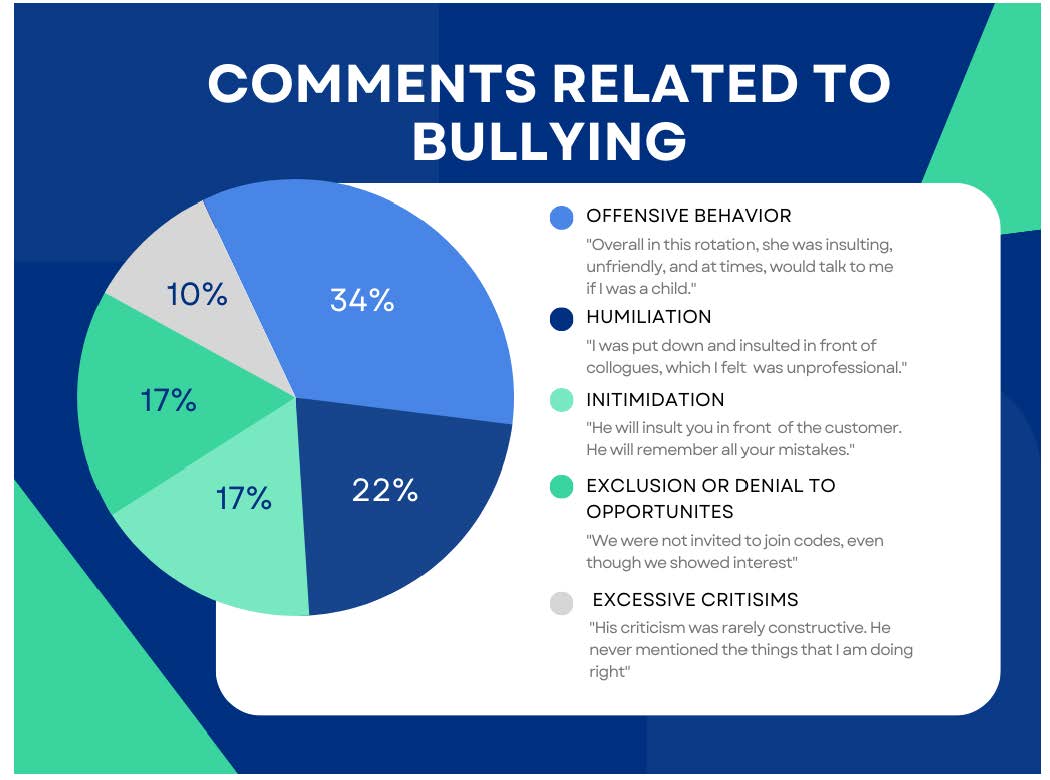
      Comments related to workplace bullying involve offensive behavior, humiliation, intimidation, exclusion or denial to opportunities, and excessive criticisms.

      Figure 1. Comments Related to Bullying from Pharmacy Survey Data6

      This data came from one college of pharmacy, but the researchers compared their data to that of a national study.6 It was similar. Although the rates of bullying seemed low, the researchers believed that bullying is seriously underreported in pharmacy. Some reasons may include the small number of pharmacists compared to physicians and nurses, the use of assessment tools that are not intended to identify bullying (asking the wrong questions), and students’ reluctance to complain because it may be perceived as unprofessional. Students may also be afraid that reporting bullying may affect their grades. The researchers recommend ACPE place more emphasis on bullying and develop of a consensus definition.6

      Intimidation and threats instill fear and anxiety, leaving the target feeling vulnerable and powerless. Intimidating behaviors in the healthcare workplace are far from isolated incidents. A survey conducted with more than 2,000 healthcare providers revealed that subtle, yet effective forms of intimidation were more common than explicit forms.4 Respondents reported encountering behaviors such as condescending language, impatience with questions, and reluctance to answer or return calls. Physicians and prescribers were identified as the primary perpetrators of intimidation, exhibiting behaviors such as condescension, reluctance to answer questions, and verbal abuse more frequently than other healthcare providers.4

      Additionally, destructive criticism is another unjustified way in which someone can wear down the target emotionally and psychologically. Constructive criticism and destructive criticism differ based on their delivery and the ways in which they impact individuals and their work.7 Constructive criticism uplifts people by providing suggestions and potential solutions while highlighting both positive aspects of someone's work and identifying areas for improvement. Destructive criticism undermines confidence, belittles efforts, and focuses on ridicule, leading to decreased morale and performance. It creates a hostile atmosphere and restrains productivity.7

      Constructive feedback begins and ends with positive comments and present information in a supportive way, as this “compliment sandwich” exemplifies:

      “Jacob, I appreciate your dedication and commitment to our pharmacy team. However, I've observed a higher number of medication errors when you’re dispensing prescriptions, which is unusual based on your work history. I know how dedicated you are to the team, so if you're facing any challenges that may be impacting your performance, please don't hesitate to reach out to me or any team member. We are here to support you and provide the best patient care possible."

      Destructive feedback is replete with negativity:

      "Jacob, your work recently in the pharmacy has been extremely disappointing. Why are you making so many mistakes? It's causing a lot of problems for the team, and frankly, I don't have the time or patience to fix everything for you. You really need to step up and improve your performance because it's negatively impacting our overall productivity."

      It’s not always possible to use a compliment sandwich when addressing issues in the pharmacy. It is always possible to be kind.

      Verbal bullying is usually easy to spot if the bully conducts the browbeating in public. In one pharmacy, a seasoned technician seemed to have a bias against students who were accruing IPPE or APPE hours. She would frequently tell students loudly, “If you can’t work any faster, it would be lovely if you would just get out of the way.” Her colleagues would turn a blind eye, but the section supervisor eventually took action and referred her to employee assistance. However, many bullies are adept at mounting their campaigns of terror when no one is looking. (Remember that the most likely place for bullying is schools is in the most difficult place to supervise: the playground.8)


      Non-Verbal Bullying

      Non-verbal bullying in healthcare manifests through actions that undermine and harm the target without using explicit words.9 Bullies use exclusion and social isolation to insulate targets from their colleagues, fostering a sense of loneliness and alienation. Undermining and sabotage minimize the target's work and efforts, eliminating a culture of safety.9


      PAUSE AND PONDER: A preceptor assigned one pharmacy student to sort and file a large backload of paperwork. She also assigned a technician to explain what needed to be done and how. The technician was frustrated by the student’s questions, but two hours later, the student finished sorting. He asked the technician to check his work before he filed it. The technician riffled through the pile, said, “This is correct,” and then said, “Oops!” and intentionally dropped the entire pile on the floor. Was that bullying?


      Ignoring and dismissing ideas invalidates targets’ contributions and suggestions which diminishes their confidence and ability to perform well.10 Additionally, intentionally withholding information deprives targets of essential knowledge needed to perform their assigned tasks effectively.9 Individuals who use “the silent treatment” (refusing to engage in discussion and making no eye contact) are also bullies. Researchers have found that people in positions of power who use the silent treatment also frequently assign unreasonable or unnecessary tasks.11


      Finally, bullies may also use noise in subtle ways to intimidate or disturb targets. In one situation, students were assigned to work in an office across from a pharmacist who did not like to precept but did so because he was assigned the task. He kept his door closed most of the time but would slam it hard when coming and going. He’d watch to see if the students reacted.


      Physical Bullying

      While less common in healthcare, physical bullying involves direct aggression towards the target.12 This can include pushing or shoving, which poses a threat to the target’s safety and well-being. Damaging personal belongings is another form of physical bullying, violating the target's personal space and property. Also forcing physical exertion on the target, such as excessive workloads or tasks beyond their capacity, can cause physical harm and exhaustion.12

      Healthcare workers are already at risk for physical violence, and four times more likely to experience violence requiring an absence from work than people employed in other industries.12 According to 2013 Bureau of Labor Statistics (BLS) data, 80% of serious violent incidents were a result of interactions with patients. The remaining incidents were attributed to visitors, coworkers, or individuals outside of the healthcare facility with 3% of the incidents from coworkers.12

      BLS found one fact of particular note: Employees were significantly less likely to report bullying and other forms of verbal abuse. They cited three contributing reasons: (1) lack of a reporting policy, (2) lack of faith in the reporting system, and (3) fear of retaliation, which is discussed below.12 Although healthcare workers appear to be more likely to be bullied by patients than coworkers, concerns about reporting flaws and retaliation may skew the data.12

      SIGNS AND EFFECTS OF BULLYING

      Absent a clear definition, healthcare managers and workers may struggle to identify bullying or differentiate it from harassment. Signs may be obvious—as in the example of the technician who tells students to get out of the way—or subtle.

      Signs of Workplace Bullying

      Recognizing the signs of workplace bullying is crucial for early intervention. Behavioral changes in targets, such as increased irritability, anxiety, or withdrawal, may indicate they are experiencing bullying.13

      Effect on Workers and Patients

      Workplace bullying has detrimental effects on both healthcare professionals and the quality of patient care.9 The emotional and psychological impact on targets can lead to heightened levels of stress, anxiety, and depression. This affects their well-being and their ability to provide optimal care to patients. Bullying can contribute to higher rates of medication errors, increased infections, and other negative patient outcomes. This is partly due to staff members' fear of speaking up against physicians or prescribers who are bullies.14 Physician Alan Rosenstein, an expert in disruptive behavior, highlights the existence of a "hidden code of silence" that keeps coworkers or colleagues from reporting or appropriately addressing many incidents.14

      Rosenstein has collected anecdotes from his work. He doesn’t report any from situations involving pharmacists or technicians, some examples of disparaging remarks/actions may feel somewhat familiar to pharmacy workers who have had unfortunate interactions with prescribers14:

      • During a tense operation, a surgeon insulted a male nurse, who had a special needs son, by saying, "You're a [r-word] just like your boy." The nurse filed a written complaint because of the insulting, disrespectful remark.
      • At Vanderbilt University Medical Center in Nashville, a surgeon proceeded with an operation without washing his hands. Instead of openly addressing the issue, a nurse discreetly offered the surgeon gloves, but he simply discarded them into the trash.
      • An OB/GYN patient was experiencing excruciating pain while the doctor sutured without providing sufficient anesthetic. When questioned by a medical student, the doctor made a joke saying that the patient could be given memory-erasing ketamine to forget about the experience.

      It is essential for pharmacy owners to recognize the consequences of workplace bullying on their businesses. Table 1 lists negative consequences of unaddressed bullying and provides examples. Preceptors, supervisors, mentors, and organizations must address factors that promote bullying (like power imbalances, addressed below) and provide employees with support to maintain healthy, successful pharmacy settings.

      Table 1. Negative Consequent of Unaddressed Bullying15

      Consequences Examples
      Diminished morale A seasoned pharmacy technician (whose pronouns = they/them), who has been working diligently for years, consistently faces belittling comments and criticism from the pharmacist. As a result, their overall enthusiasm for their work decreases, affecting their productivity and leading to a sense of resignation or disengagement. The rest of the staff will also feel disengaged and resigned.
      Strained employee relations One pharmacist consistently questions another pharmacist’s decisions and recommendations in front of colleagues and patients leading to tension and hostility between them. This strained relationship might extend beyond work-related matters, making collaboration difficult and creating an uncomfortable atmosphere for other team members.
      Loss of respect for management Employees witness a manager ignoring complaints, failing to provide a safe and supportive environment. The affected employees lose respect for the management team as they perceive the lack of intervention as a sign of management’s incompetence, leading to a diminished view of their leadership abilities.
      Increased absenteeism/

      tarnished reputation

      Over time, employees are subjected to behaviors of bullying and begin to experience high levels of stress and anxiety due to the hostile environment. So, the employees start taking more sick days or even extended leaves of absence to cope with bullying’s emotional toll. The toxic work environment spreads through word of mouth among colleagues, potential hires, and even patients. The pharmacy’s reputation suffers as news of the toxic work environment and unaddressed bullying gets around.

      Ultimately, workplace bullying may reduce everyone’s job satisfaction and productivity resulting from the negative work environment created by workplace bullying.16 Extensive studies have confirmed the association between workplace bullying and perceptions of organizational settings, including job satisfaction and commitment. Job dissatisfaction, which leads to emotional distress, can be regarded as a factor that influences employees’ commitment to their work.16


      CAUSES AND RISK FACTORS

      To effectively address workplace bullying, preceptors—and all staff—need to understand the underlying causes and risk factors contributing to its occurrence in healthcare settings.


      Power Imbalances

      Power imbalances can contribute to disruptive behavior in healthcare settings, leading to a range of negative consequences. (Yes, this means the bully might be the boss!8) While some may associate disruptive behavior with overt bullying and intimidation, the broader definition preferred by experts includes any actions that undermines safety culture.14

      The issue of power imbalances in pharmacy is a growing concern, as evidenced by a 2015 report from the United Kingdom’s Advisory, Conciliation, and Arbitration Service (ACAS).15 Workplace bullying has been on the rise in the U.K., with a staggering 20,000 calls annually reporting bullying incidents to ACAS. Disturbingly, this problem extends to community pharmacies, where staff members face bullying from pharmacy owners, managers, supervisors, and colleagues.15 The level of labor stability also has a significant impact on vulnerability to bullying because lower-status employees often hold the most unstable and temporary jobs. An empirical study (a study that uses observation, measured phenomena, and participant’s experience rather than theory or belief) conducted among university employees in an academic center aimed to demonstrate that flexible working arrangements contribute to the prevalence of bullying.16 One reason for the increase in bullying within organizations is the restructuring processes and higher levels of outsourcing, which have widened the power gap between managers and employees.16

      High Stress Levels and Demanding Work Environment

      The demanding nature of healthcare work, coupled with high stress levels, can create an environment prone to workplace bullying.16 Healthcare professionals often face intense pressure, long working hours, and challenging situations that may increase tension and exacerbate conflicts. Stress can amplify negative behaviors and create a breeding ground for bullying. Bullying within a stressful environment can lead to burnout and cause talented, compassionate individuals to leave the healthcare profession.17,16


      Do pharmacy employees experience stress? In a recent survey, 61.2% of pharmacists reported experiencing significant burnout in their practices.17 This trend is prevalent among hospital pharmacists, with consistent rates across various practice settings and areas. The study reveals that those most affected by burnout were often unmarried, had no children, and worked extended hours, surpassing 40 hours per week. Pharmacists can be impacted by stress and burnout in all practice settings. Thus establishing support systems with family, friends, and coworkers is vital to enhancing morale and alleviating feelings of burnout.17


      High Expectations from Society

      Healthcare professionals are entrusted with caring for the health and well-being of individuals, and society places high expectations on them. The pressure to meet these expectations, combined with limited resources and time constraints, can contribute to stressful work environments that may foster workplace bullying.18 Most healthcare workers feel like they are held to higher standards than the general public. This feeling is rooted in centuries of traditions and most medical organizations emphasize respect in personal interactions.18


      Healthcare workers also believe that the general public’s expectations of them outside the healthcare setting are set too high.12 The demanding and high-stress nature of healthcare work can make it challenging for professionals to enjoy their personal lives. The constant feeling of being at work and the fear that their actions could be scrutinized even during off-hours creates additional stress and anxiety. This work-life imbalance can have a significant impact on well-being and overall quality of life.18


      Lack of Policies and Procedures to Address Bullying

      The absence of comprehensive policies and procedures specifically targeting workplace bullying in healthcare settings can perpetuate its occurrence.19 Without clear guidelines and protocols in place, both targets and bystanders may feel powerless and unsure of how to address and report bullying. Instances of bullying and verbal abuse are often under-reported for various reasons. As revealed by the 2022 National Pharmacy Workplace Survey by industry experts, the lack of robust policies and procedures to address bullying in the pharmacy profession is a pressing concern.19 The study highlights the absence of a formal mechanism for pharmacists and pharmacy personnel to discuss workplace issues with supervisors and management. This leads to an unwelcoming atmosphere, resulting in heightened stress and eventual burnout. Over 60% of respondents indicated that their employers did not actively seek their opinions, nor did employers respect or value employee input.19 Employers, insurers, lawmakers, and the public must come together to ensure ample resources, address patient safety concerns, and promote the well-being of pharmacy personnel.


      One topic also needs more attention: the bullying individual. The SIDEBAR provides information about people who tend to bully others.


      SIDEBAR: Some People are Simply Bullies20,8,21,22


      Bullies Unveiled: Bullies are individuals who employ intimidation and control tactics to further their own objectives. While they might appear cooperative when their goals align with the team’s or the employer’s, their methods are unfair and dishonest. In the workplace, bullies often target coworkers in lateral or lower responsibility positions, resorting to manipulation and terrorizing behaviors. They may even intimidate superiors, using tactics like threats of resignation during crises.


      The Hidden Shame: Some psychologists attribute bullying to ingrained shame, although others cite insecurities, disparate socioeconomic backgrounds, personality traits that make them outliers, and basic insecurities. Some theories indicate that targets of bullying are more likely to become bullies. Contrary to common belief, bullies don't necessarily suffer from low self-esteem. Instead, their behavior can stem from internalized shame. While some individuals who harbor shame may have low self-esteem, those who engage in bullying tend to have high self-esteem, and hubristic (overbearing or presumptuous) pride. Bullies may also be quite clever. Their attacks on others are defense mechanisms to alleviate their own feelings and ignore their real emotions.


      Shame's Impact on Coping: Early in life, people develop various responses to shame, which solidify into personality traits by adulthood. These coping mechanisms can be categorized by attacking others, self-attacking, avoidance, and withdrawal. For those who bully, the fear of shame, such as being perceived as inadequate at work, drives them to target others. Bullies exploit others' vulnerabilities—and especially others’ insecurities—and redirect their own shame onto their targets. The bully’s ultimate feeling is power.


      Narcissism and Withdrawal: Some bullies ultimately develop narcissistic traits, continually attacking others as a means to cope with deeply rooted shame. Conversely, targets are often sensitive individuals who respond to shame by self-blame. This response might maintain a connection with the bully and perpetuates a victim or target mentality. Withdrawal, another reaction to shame, involves concealing one's emotions and can lead to depression. Prolonged exposure to workplace bullying often triggers this response, proving just as harmful as self-attacking.


      Seeking Solutions: Bullying deflects a bully's shame and also provides a sense of power. However, many bullies remain unaware of their own inadequacies. The key to dealing with workplace bullies is solidarity among coworkers. Banding together against a bully offers support, as targets of bullying often face isolation and by confronting the bully's behavior collectively, coworkers can neutralize their power. Banding together does not mean ganging up on the bully. It means using the principles of bystander intervention (discussed below) and firmly calling out bullying when one sees it in a respectful but direct manner. Documenting repeated episodes of bullying is also critical.


      Readers should note, however, that when the bully’s target is someone that others tend to dislike or find little sympathy for, the team may not coalesce to support the target. Supervisors, managers, or observers who are leaders need to jump in and remind staff that bullying is unacceptable, and if the target leaves, who knows who will be next. Further, some research indicates that bullies may eventually become targets; backlash is not an ideal solution.


      A Path Forward: Ultimately, bullies can change their behavior by developing better coping mechanisms and learning to process their feelings constructively. Recognizing that bullies are driven by a response to shame or other factors, rather than consciously acknowledging it, is essential for devising effective strategies to address this issue. Supervisors and managers should refer employees with bullying tendencies to their employee assistance programs or similar programs.


      DIFFERENTIATING WORKPLACE BULLYING, HARASSMENT, AND DYSFUNCTION

      To address workplace bullying effectively, healthcare workers and managers must differentiate it from harassment and dysfunction within the healthcare setting.


      Key Differences in Behaviors and Intent

      While workplace bullying and harassment share similarities, such as the creation of a hostile work environment, they differ in terms of intent and behaviors. Again, bullying is often described as offensive, intimidating, malicious, or insulting behavior intended to undermine, humiliate, denigrate, or injure the recipient, and it may involve individuals or groups.23 It can take various forms, including spreading rumors, excluding someone, giving unachievable tasks, and more.


      Harassment, as defined by U.S. employment discrimination laws, involves unwelcome conduct based on various protected characteristics including race, color, religion, sex, national origin, age, disability, or genetic information. Title VII of the Civil Rights Act of 1964, the Age Discrimination in Employment Act of 1967 (ADEA), and the Americans with Disabilities Act of 1990 (ADA) all prohibit harassment as a form of employment discrimination.24 The difference between bullying and harassment is subtle. For example, calling a coworker or a student a skinny witch is bullying. Calling a coworker or a student a skinny Catholic witch introduces the element of religion. While neither is acceptable, the introduction of religion crosses the line to harassment. While bullying is not necessarily illegal, harassment based on protected characteristics is unlawful.


      PAUSE AND PONDER: Consider a technician who announces to all who are on duty that the new student smells terrible. Is that bullying or harassment? If he follows it up with, “It’s because people from his culture cook all that stinky food!” Is that bullying or harassment?


      Laws and Regulations against Workplace Harassment

      Various laws and regulations protect employees against workplace harassment. Title VII, ADEA, and ADA prohibit harassment on a federal level, while individual states also have laws that require employers to enact anti-harassment policies.24,25  Harassment is illegal and someone—meaning anyone who is harassed or observes harassment—should report it when it creates a work environment that a reasonable person would find intimidating, hostile, or abusive. It is crucial to prevent harassment, and employers should establish clear anti-harassment policies, provide training, and address complaints appropriately.


      Supervisors, co-workers, or non-employees may harass others, and the employer may be liable for harassment by supervisors resulting in disciplinary actions.24,25 For non-supervisory harassment, employers can be liable if they knew or should have known about the harassment and failed to take corrective action. The Equal Employment Opportunity Commission (EEOC) assesses each case of harassment individually by considering the nature and context of the conduct. Overall, addressing harassment requires proactive measures and a commitment to maintaining a respectful work environment. 24,25


      Protection of Whistleblowers

      Whistleblowers are protected under OSHA’s Whistleblower Protection Program, which enforces provisions from more than 20 whistleblower statutes safeguarding employees from retaliation for reporting violations.26 Retaliation is strictly prohibited under these laws and encompasses actions such as firing, demoting, denying benefits, intimidation, harassment, and other adverse actions. Retaliative actions may dissuade an employee from raising concerns about potential violations. Subtle actions like exclusion from important meetings or false accusations of poor performance can be considered retaliation. Temporary workers supplied by staffing agencies are also protected from retaliation. OSHA's program not only safeguards whistleblowers reporting violations, but also shows some similarities between retaliation and workplace bullying. Exclusion and intimidation are shared tactics in both retaliation and bullying, mainly differing in the employer's intent.26 Many experts in bullying indicate that given these parallels, employees who are targets of bullying should be protected in the same manner that whistleblowers are safeguarded. This approach would foster a work environment where all individuals can voice concerns and engage in their roles without fear of adverse consequences.


      PREVENTION AND INTERVENTION STRATEGIES

      Although the U.S. hadn’t yet addressed workplace bullying formally, Australia has.27 Its Fair Work Act 2009 (Cth), allows its Fair Work Commission to hear bullying claims and order any corrective action other than monetary compensation) to stop bullying from continuing. In 2019, the Fair Work Commission heard a claim from a pharmacist. The SIDEBAR summarized the case, which ended in a ruling in favor of the employer but raised many questions. It highlights the complexities of these kinds of cases and the fact that some people have little insight into their behaviors.


      SIDEBAR: Who’s Bullying Who?27

      A pharmacist alleged the pharmacy’s management was bullying him by scheduling him to work on Saturdays without adequate assistance. The employer had replaced a dispensing technician with an intern pharmacist who he considered incompetent. The pharmacist claimed it created unnecessary stress, doubling his work. He alleged that the pharmacy’s Saturday workload was similar to weekday workloads and required more staff.


      The employer demonstrated successfully that its Saturday workflow was significantly lower than weekdays. CCTV footage revealed that the pharmacist spent considerable time on Saturdays looking at his phone rather than working. The employer also indicated the pharmacist engaged in aggressive and intimidating conduct, even reducing the intern to tears on one occasion. His hostile behavior extended to other employees, leading two of them to seek counseling. The employer stated that the pharmacist's inability to work cooperatively with colleagues was the root of the problem, not the intern's competence.

      The deciding official ruled no one acted unreasonably towards the pharmacist. He acknowledged the pharmacist's unacceptable behavior that involved mistreating several other employees. Some readers are no doubt reading this and nodding their heads, having seen, been subject to, or accused of bullying rightly or wrongly. Others are thinking, “Why is this guy still employed?”

      To combat workplace bullying effectively in healthcare, a multi-faceted approach involving various strategies is necessary.


      Policy Development and Enforcement

      It is essential to develop policies to combat workplace bullying in all pharmacy settings. Drawing from the AMA's report, pharmacy management can adopt key steps to create an effective anti-bullying policy and cultivate a positive work environment.2 Everyone involved needs to realize that developing a policy takes time, and implementing it requires an endless, consistent effort on the part of managers, supervisors, and staff. People from every level of the organization should have input into the draft and the review process. Putting the issue on the department’s staff meeting agenda will ensure that it doesn’t fall through the cracks.8


      First, management must ensure that the administration is fully aware of the impact of unprofessional behavior. The team can create strategies proactively to address and prevent bullying by recognizing the problem. One strategy might be to identify when and where the bullying occurs. Changes to the workflow, the schedule, or the supervision can improve the situations.8


      Second, management can arrange to educate the entire pharmacy staff about the harmful consequences of unprofessional or hostile conduct. When employees perceive that their leaders are committed to addressing bullying, they are more likely to report incidents or even intervene when witnessing inappropriate behavior among colleagues. Two types of education can help28:

      • Federal law requires certain organizations to provide compliance training on harassment and discrimination. The U.S. Equal Employment Opportunity Commission also recommends (but does not require) workplace civility training. Workplace civility training promotes workplace respect and civility. Good training would include workplace norms, appropriate and inappropriate behaviors in the workplace, and possibly interpersonal skills, conflict resolution, and effective supervisory techniques.
      • Bystander intervention training, usually associated with sexual harassment in schools, is increasingly recognized as a critical element of efforts to decrease harassment and inappropriate behaviors. Its goal is to refine employees’ sensitivity to harassment or bullying and empower them act. This training would need to identify offensive behaviors, describe employment non-discrimination laws, and explain how bystanders should respond upon witnessing a harassment incident.


      These crucial management steps and well-structured anti-bullying policies can foster a respectful and supportive workplace, promoting the well-being of all employees and enhancing overall patient care.


      Promoting a Supportive and Respectful Workplace Culture

      Healthy working relationships are crucial to promoting a supportive and respectful workplace culture in the pharmacy. The most important characteristics that build good working relationships include29

      • mutual respect
      • open communication
      • empathy
      • building rapport with every member of the team.

      Table 2 defines these terms. Practicing mindfulness (awareness of one’s feelings and the impact they have on themselves and others) can further improve relationships by reducing stress and anxiety, increasing emotional intelligence, and improving communication. It is essential to address inappropriate behavior promptly to prevent escalation, with support and guidance available to deal with bullying or harassment.


      Table 2. Key Characteristics of Healthy Working Relationships29

      Characteristic Definition
      Mutual respect The foundation of a healthy workplace where all members of the pharmacy team are valued and their views are acknowledged.
      Open communication Free expression of ideas without fear of criticism, fostering trust and understanding
      Empathy Compassionate comprehension of others’ states when connecting with colleagues and patients so effective communication, negotiation, problem-solving, and assertiveness to enhance collaboration and conflict resolution is possible.
      Building rapport Fostering a positive dynamic with every team member to enhance workplace happiness


      PAUSE AND PONDER: Janine supervises three employees, Mary, Alice, and Siobhan. Mary and Alice are very close and tend to gossip. They dislike Siobhan, speak badly of her to others, and often fail to provide the information Siobhan needs to complete her work. They criticize her work cruelly in the weekly staff meeting. Siobhan’s name is pronounced shi-VON, but Mary and Alice consistently mispronounce it and misspell it. What should Janine do, and how can she support Siobhan?


      Encouraging Reporting and Providing Confidential Channels

      Managers, supervisors, and preceptors should encourage healthcare workers to report incidents of bullying without fear of retaliation.14 They should establish confidential reporting channels to protect the identities of those who come forward.14


      When addressing bullying within the pharmacy setting, it is essential to establish a comprehensive reporting system that includes confidential channels for employees to voice their concerns.14 Vanderbilt University uses a slowly escalating corrective approach, where trained professionals engage in open discussions with alleged offenders, fostering an environment of respect and mutual understanding. Second offenses are met with warnings, followed by formal letters outlining the issues and potential interventions such as mental and physical screening (in case a health condition is causing symptoms of anger, frustration, and lack of patience). Repeat offenders may face the consequence of losing staff privileges.14


      Apart from corrective measures, effective strategies can also focus on providing help and support to offenders, such as anger management classes, counseling, or assistance with medical or addiction issues.14 Creating a reporting system that ensures confidentiality empowers pharmacy staff to come forward with their concerns, enabling prompt intervention.


      CONCLUSION

      Workplace bullying in healthcare is a pressing issue that requires attention and action. It negatively impacts healthcare professionals’ well-being and compromises patient care. It is crucial to define and emphasize workplace bullying so we can shed light on the significance of addressing this problem. To reiterate

      • Understanding the types, signs, and effects of workplace bullying allows us to recognize its presence and take appropriate measures.
      • Identifying the causes and risk factors helps us understand the underlying factors contributing to its persistence in healthcare settings.
      • Differentiating workplace bullying from harassment and dysfunction clarifies the specific behaviors and intent involved, leading to more effective interventions.
      • Upholding laws and ethical obligations, along with whistleblower protection, ensures legal and ethical accountability.
      • Creating prevention and intervention strategies, such as developing policy and promoting a supportive culture, provide a framework for addressing workplace bullying.
      • Reporting incidences through mechanisms and confidential channels empower individuals to seek help and create a safer environment.

      In conclusion, by recognizing, preventing, and intervening in cases of workplace bullying, healthcare organizations can create a better work environment that supports their employees and promotes optimal patient outcomes.

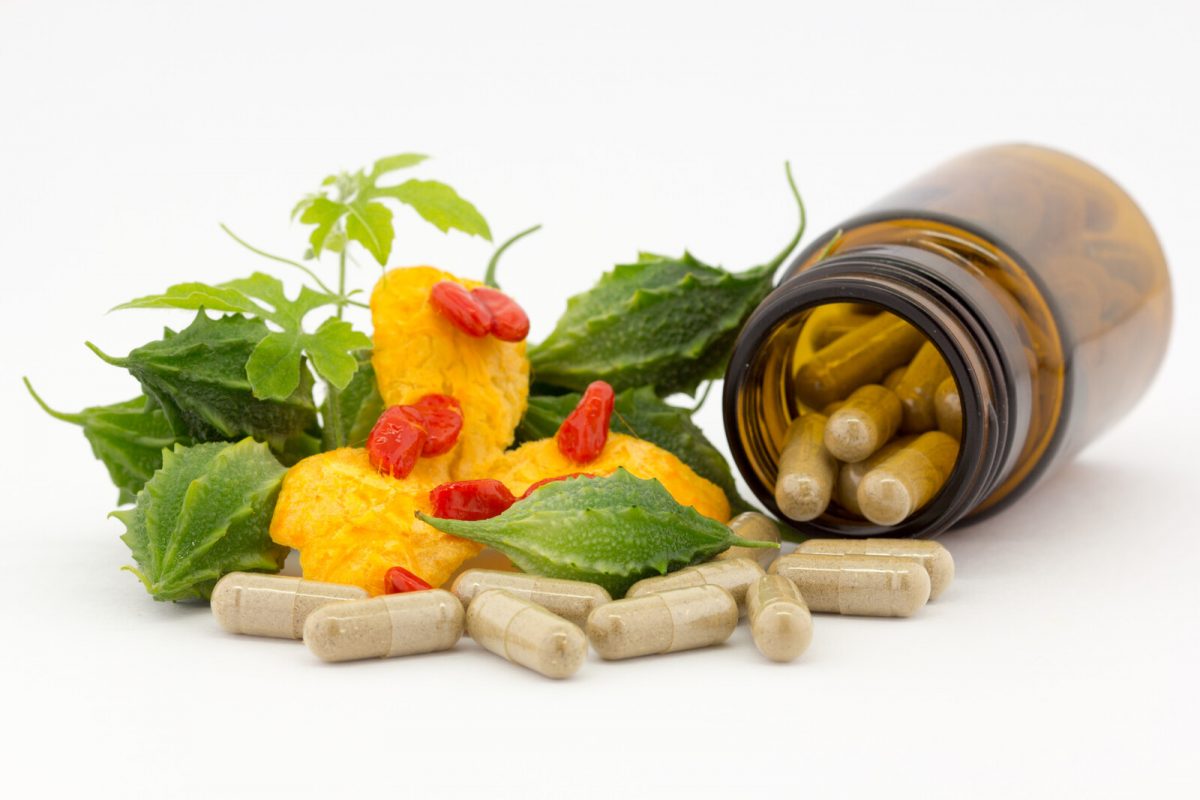
      Pharmacist Post Test (for viewing only)

      Patient Safety: Workplace Bullying
      Post-test
      Learning objectives
      After completing this continuing education activity, pharmacists and pharmacy technicians will be able to
      1. Define workplace bullying in the healthcare setting
      2. Explain the impact of workplace bullying on individuals, organizations, and patient care
      3. Differentiate workplace bullying from harassment and workplace dysfunction
      4. Describe the necessary steps to address and counteract workplace bullying
      1. Which of the following statements correctly describes findings about bullying in pharmacies?
      A. Researchers have a consistent definition to identify bullying in pharmacy and it includes behaviors that are mocking, taunting, or intimidating.
      B. Leading pharmacy organizations have embraced the AMA's definition of workplace bullying and apply it consistently.
      C. One study found several comments related to bullying, but the study wasn't designed to identify bullying and rates are probably higher.

      2. What is the focus of the Institute for Safe Medication Practices periodic survey of health care professionals?
      A. Disrespectful behaviors and intimidation
      B. Causes of medication errors
      C. Harassment as defined by the US government

      3. Which of the following did approximately half of ISMP survey respondents report?
      A. Respondents said that they had been pressured to accept an order or administer a drug despite safety concerns.
      B. Respondents said they had avoided talking to a prescriber to validate an order about a safety concern more than ten times in the previous year.
      C. Respondents said they relied on colleagues to interpret or validate an order rather than contact the prescriber.

      4. A competent floating pharmacist is occasionally assigned to a store where a technician consistently calls out, “How many times do I have to tell you this? You've worked here before! You should know where these things are!” every time he asks her a question. Which of the following might the staff experience when observing this behavior?
      A. Decreased absenteeism
      B. Diminished morale
      C. Relief that they are not targets

      5. A prescriber who works in a hospital is notorious for his disrespectful treatment of nurses and pharmacists. He frequently scolds nurses if they call to clarify orders, and he often hangs up by slamming the phone in pharmacists’ ears. Which of the following potential negative patient outcomes have studies associated with this type of behavior?
      A. Higher medication error rates and increased infections
      B. Increased rates of falls and hip fracture
      C. Strained employee relations reducing collaboration

      6. Aadhil is a practicing Muslim who steps away from the work site to pray a couple of times a day. He's also a new father and has been up all night. He mentions this fact to his coworkers during the morning huddle, and asks for their support during the day. The pharmacist on duty finds that Aadhil has made two mistakes in filling a physician's order within the first three hours of work. He calls out, “Hey Aadhil, maybe next time you go to pray you could pray for better accuracy!” Aahil laughs uncomfortably. How would you classify this behavior?
      A. The pharmacist is bullying Aadhil but it's OK because Aadhil laughed.
      B. The pharmacist is bullying Aadhil and this behavior is never OK.
      C. The pharmacist is harassing Aadhil and the pharmacist’s behavior is illegal.

      7. Two technicians, Maria and Dolores don't get along. Maria develops a sinus infection and presents a prescription to be filled late in the day when Dolores is the only technician on duty. Maria is unable to come to work for a week because of her illness, and Delores whispers to anyone who will listen that Maria had a prescription filled to treat a sexually transmitted disease. In addition to the fact that Dolores has violated HIPAA rules, what kind of behavior is this?
      A. Harassment; Maria is a member of a protected class
      B. Bullying; Spreading false rumors is unacceptable behavior
      C. Neither harassment nor bullying; it's just gossip

      8. What is the best way to combat workplace bullying effectively in healthcare?
      A. Use a multifaceted approach that employs different strategies concurrently
      B. Have management and supervisors develop and enforce a policy against bullying
      C. Advise everyone in the workplace including the target to ignore the bully

      9. It's a busy day in the pharmacy and the pharmacy’s resident bully is in great form this morning. She has called several technicians names including Dumbo, Idiot, and Sweet Cheeks. She has also made fun of one of the pharmacist’s pants, remarking on how poorly they fit him. How can the seven people who were on duty and have witnessed these attacks best address this issue?
      A. Ignore it, because giving her any attention will increase her attacks
      B. Use bystander intervention and ask the bully to stop the name calling
      C. Make a note to ask the manager to refer the targets to the employee assistance program (EAP)

      10. Janine supervises Mary, Alice, and Siobhan. Janine witnesses Mary and Alice treating Siobhan very badly at a staff meeting. They consistently mispronounce Siobhan’s name. How should Janine approach this situation after she has corrected them several times in previous meetings and also corrected the spelling of Siobhan’s name on several documents that Mary and Alice have prepared? HINT: What process has Vanderbilt university used?

      A. Janine should meet with Mary and Alice privately and warn them that their behavior constitutes bullying and it needs to stop. She should say that she will pursue corrective and disciplinary action if the bullying behavior continues.
      B. Janine should continue to correct Mary and Alice each and every time that they mispronounce Siobhan’s name and send any documents with misspellings back to Mary and Alice for correction. Reinforcement is the key to success!
      C. Janine should meet with Mary, Alice, and Siobhan and try to get to the bottom of the problem. It's clear that Siobhan has done something to irritate Mary and Alice and correcting Siobhan’s behavior will fix the entire problem.

      Pharmacy Technician Post Test (for viewing only)

      Patient Safety: Workplace Bullying
      Post-test
      Learning objectives
      After completing this continuing education activity, pharmacists and pharmacy technicians will be able to
      1. Define workplace bullying in the healthcare setting
      2. Explain the impact of workplace bullying on individuals, organizations, and patient care
      3. Differentiate workplace bullying from harassment and workplace dysfunction
      4. Describe the necessary steps to address and counteract workplace bullying
      1. Which of the following statements correctly describes findings about bullying in pharmacies?
      A. Researchers have a consistent definition to identify bullying in pharmacy and it includes behaviors that are mocking, taunting, or intimidating.
      B. Leading pharmacy organizations have embraced the AMA's definition of workplace bullying and apply it consistently.
      C. One study found several comments related to bullying, but the study wasn't designed to identify bullying and rates are probably higher.

      2. What is the focus of the Institute for Safe Medication Practices periodic survey of health care professionals?
      A. Disrespectful behaviors and intimidation
      B. Causes of medication errors
      C. Harassment as defined by the US government

      3. Which of the following did approximately half of ISMP survey respondents report?
      A. Respondents said that they had been pressured to accept an order or administer a drug despite safety concerns.
      B. Respondents said they had avoided talking to a prescriber to validate an order about a safety concern more than ten times in the previous year.
      C. Respondents said they relied on colleagues to interpret or validate an order rather than contact the prescriber.

      4. A competent floating pharmacist is occasionally assigned to a store where a technician consistently calls out, “How many times do I have to tell you this? You've worked here before! You should know where these things are!” every time he asks her a question. Which of the following might the staff experience when observing this behavior?
      A. Decreased absenteeism
      B. Diminished morale
      C. Relief that they are not targets

      5. A prescriber who works in a hospital is notorious for his disrespectful treatment of nurses and pharmacists. He frequently scolds nurses if they call to clarify orders, and he often hangs up by slamming the phone in pharmacists’ ears. Which of the following potential negative patient outcomes have studies associated with this type of behavior?
      A. Higher medication error rates and increased infections
      B. Increased rates of falls and hip fracture
      C. Strained employee relations reducing collaboration

      6. Aadhil is a practicing Muslim who steps away from the work site to pray a couple of times a day. He's also a new father and has been up all night. He mentions this fact to his coworkers during the morning huddle, and asks for their support during the day. The pharmacist on duty finds that Aadhil has made two mistakes in filling a physician's order within the first three hours of work. He calls out, “Hey Aadhil, maybe next time you go to pray you could pray for better accuracy!” Aahil laughs uncomfortably. How would you classify this behavior?
      A. The pharmacist is bullying Aadhil but it's OK because Aadhil laughed.
      B. The pharmacist is bullying Aadhil and this behavior is never OK.
      C. The pharmacist is harassing Aadhil and the pharmacist’s behavior is illegal.

      7. Two technicians, Maria and Dolores don't get along. Maria develops a sinus infection and presents a prescription to be filled late in the day when Dolores is the only technician on duty. Maria is unable to come to work for a week because of her illness, and Delores whispers to anyone who will listen that Maria had a prescription filled to treat a sexually transmitted disease. In addition to the fact that Dolores has violated HIPAA rules, what kind of behavior is this?
      A. Harassment; Maria is a member of a protected class
      B. Bullying; Spreading false rumors is unacceptable behavior
      C. Neither harassment nor bullying; it's just gossip

      8. What is the best way to combat workplace bullying effectively in healthcare?
      A. Use a multifaceted approach that employs different strategies concurrently
      B. Have management and supervisors develop and enforce a policy against bullying
      C. Advise everyone in the workplace including the target to ignore the bully

      9. It's a busy day in the pharmacy and the pharmacy’s resident bully is in great form this morning. She has called several technicians names including Dumbo, Idiot, and Sweet Cheeks. She has also made fun of one of the pharmacist’s pants, remarking on how poorly they fit him. How can the seven people who were on duty and have witnessed these attacks best address this issue?
      A. Ignore it, because giving her any attention will increase her attacks
      B. Use bystander intervention and ask the bully to stop the name calling
      C. Make a note to ask the manager to refer the targets to the employee assistance program (EAP)

      10. Janine supervises Mary, Alice, and Siobhan. Janine witnesses Mary and Alice treating Siobhan very badly at a staff meeting. They consistently mispronounce Siobhan’s name. How should Janine approach this situation after she has corrected them several times in previous meetings and also corrected the spelling of Siobhan’s name on several documents that Mary and Alice have prepared? HINT: What process has Vanderbilt university used?

      A. Janine should meet with Mary and Alice privately and warn them that their behavior constitutes bullying and it needs to stop. She should say that she will pursue corrective and disciplinary action if the bullying behavior continues.
      B. Janine should continue to correct Mary and Alice each and every time that they mispronounce Siobhan’s name and send any documents with misspellings back to Mary and Alice for correction. Reinforcement is the key to success!
      C. Janine should meet with Mary, Alice, and Siobhan and try to get to the bottom of the problem. It's clear that Siobhan has done something to irritate Mary and Alice and correcting Siobhan’s behavior will fix the entire problem.

      References

      Full List of References

      References

         
        1. Meko H. School Will Pay $9.1 Million to Settle Lawsuit Over a Student’s Suicide. The New York Times. July 29, 2023. Accessed August 20, 2023. https://www.nytimes.com/2023/07/29/nyregion/new-jersey-student-suicide-settlement.html?searchResultPosition=1
        2. Murphy B. Why bullying happens in health care and how to stop it. American Medical Association. Published April 2, 2021. Accessed August 4, 2023. https://www.ama-assn.org/practice-management/physician-health/why-bullying-happens-health-care-and-how-stop-it
        3. Survey Suggests Disrespectful Behaviors Persist in Healthcare: Practitioners Speak Up (Yet Again) – Part I. Institute for Safe Medication Practices. February 24, 2022. https://www.ismp.org/resources/survey-suggests-disrespectful-behaviors-persist-healthcare-practitioners-speak-yet-again
        4. Intimidation: Practitioners Speak Up About This Unresolved Problem (Part I). Institute For Safe Medication Practices. Published March 11, 2004. https://www.ismp.org/resources/intimidation-practitioners-speak-about-unresolved-problem-part-i
        5. Disrespectful Behaviors: Their Impact, Why They Arise and Persist, and How to Address Them (Part II). Institute for Safe Medication Practices. April 14, 2024. Accessed August 4, 2022. https://www.ismp.org/resources/disrespectful-behaviors-their-impact-why-they-arise-and-persist-and-how-address-them-part
        6. Knapp K, Shane P, Sasaki-Hill D, Yoshizuka K, Chan P, Vo T. Bullying in the clinical training of pharmacy students. Am J Pharm Educ. 2014;78(6):117. doi:10.5688/ajpe786117
        7. Calvello M. Constructive vs. Destructive Feedback: Examples + Template | Fellow. Fellow.app. Published April 25, 2023. https://fellow.app/blog/feedback/constructive-vs-destructive-feedback-examples-template/
        8. Ryan M. Besting the Workplace Bully. Reference & User Services Quarterly. 2016;55(4):267-269.
        9. The Joint Commission. Bullying has no place in health care. www.jointcommission.org. Published June 2021. https://www.jointcommission.org/resources/news-and-multimedia/newsletters/newsletters/quick-safety/quick-safety-issue-24-bullying-has-no-place-in-health-care/bullying-has-no-place-in-health-care/
        10. Manzoni JF, Barsoux JL. The Set-Up-To-Fail Syndrome. Harvard Business Review. Published March 1998. https://hbr.org/1998/03/the-set-up-to-fail-syndrome
        11. Stein M, Vincent-Höper S, Schümann M, Gregersen S. Beyond Mistreatment at the Relationship Level: Abusive Supervision and Illegitimate Tasks. Int J Environ Res Public Health. 2020;17(8):2722. doi:10.3390/ijerph17082722
        12. Caring for Our Caregivers Caring for Our Caregivers Workplace Violence in Healthcare. https://www.osha.gov/sites/default/files/OSHA3826.pdf
        13. Infrontadmin. The 6 Stages of Bullying. https://truesport.org/bullying-prevention/stages-of-bullying/
        14. “Disruptive” doctors rattle nurses, increase safety risks. USA TODAY. Accessed August 3, 2023. https://www.usatoday.com/story/news/2015/09/20/disruptive-doctors-rattle-nurses-increase-safety-risks/71706858/
        15. Bullying in the workplace. www.independentpharmacist.co.uk. Accessed August 3, 2023. https://www.independentpharmacist.co.uk/services/bullying-in-the-workplace
        16. Ariza-Montes A, Muniz N, Montero-Simó M, Araque-Padilla R. Workplace Bullying among Healthcare Workers. International Journal of Environmental Research and Public Health. 2013;10(8):3121-3139. doi:https://doi.org/10.3390/ijerph10083121
        17. Glenn R. Grantner, PharmD, BCPS Clinical Pharmacist Sacred Heart Hospital Pensacola. Pharmacist Burnout and Stress. www.uspharmacist.com. Published May 15, 2020. https://www.uspharmacist.com/article/pharmacist-burnout-and-stress
        18. Medscape: Medscape Access. Medscape.com. Published 2023. Accessed August 9, 2023. https://www.medscape.com/slideshow/2022-physicians-misbehaving-6015583?icd=login_success_email_match_norm#13
        19. Staff B. Customer Harassment, Bullying Affecting Pharmacists’ Ability to Do Their Jobs. www.uspharmacist.com. https://www.uspharmacist.com/article/customer-harassment-bullying-affecting-pharmacists-ability-to-do-their-jobs
        20. Lamia M. The psychology of a workplace bully. the Guardian. Published March 28, 2017. https://www.theguardian.com/careers/2017/mar/28/the-psychology-of-a-workplace-bully
        21. Smith PK. Commentary III: Bullying in Life‐Span Perspective: What Can Studies of School Bullying and Workplace Bullying Learn from Each Other? J Community Appl Soc Psychol. 1997;7:249-255.
        22. Vramjes I, Elst TV. Griep Y, De Witte H, Baillen E. What Goes Around Comes Around: How Perpetrators of Workplace Bullying Become Targets Themselves. Group Organ Manag. 2023;48(4):1135-1172.
        23. Bullying and harassment. Pharmacist Support. Accessed August 3, 2023. https://pharmacistsupport.org/i-need-help-managing-my/work-life/bullyin-fact-sheet/
        24. Harassment | U.S. Equal Employment Opportunity Commission. www.eeoc.gov. https://www.eeoc.gov/harassment#:~:text=Harassment%20becomes%20unlawful%20where%201
        25. Anti-Harassment Policy Requirements By State. getimpactly.com. Accessed August 9, 2023. https://www.getimpactly.com/resources/anti-harassment-policy-requirements-by-state
        26. United States Department of Labor. The Whistleblower Protection Programs | Whistleblower Protection Program. Whistleblowers.gov. Published 2019. https://www.whistleblowers.gov/
        27. Koelmeyer S. An elbow in the waist: What is and isn’t bullying in the workplace. SmartCompany. Published May 20, 2019. Accessed August 3, 2023. https://www.smartcompany.com.au/business-advice/legal/bullying-workplace/
        28. Harassment Training Requirements by State. Project WHEN (Workplace Harassment Ends Now). Accessed August 4, 2023.
        29. Building positive workplace relationships. Pharmacist Support. https://pharmacistsupport.org/i-need-help-managing-my/work-life/building-positive-workplace-relationships/

        Patient Safety: Medication Refusal: Understanding the Why “They Just Say No”

        Learning Objectives


        After completing this application-based continuing education activity, pharmacists will be able to

        Recognize and define types and leading causes of treatment/medication refusal
        Describe the ethical and legal principles associated with medication refusal, covert medication, and surreptitious prescribing
        Determine treatment alternatives for patients with dietary, religious, or other restrictions
        Identify and implement key components of a medication refusal protocol

          After completing this application-based continuing education activity, pharmacy technicians will be able to

          Recognize and define types and leading causes of treatment/medication refusal
          Describe the ethical and legal principles associated with medication refusal, covert medication, and surreptitious prescribing
          Determine treatment alternatives for patients with dietary, religious, or other restrictions
          Identify and implement key components of a medication refusal protocol


          Release Date: October 17, 2023

          Expiration Date: October 15, 2026

          Course Fee

          Pharmacists: $7

          Pharmacy Technicians: $4

          There is no grant funding for this CE activity

          ACPE UANs

          Pharmacist: 0009-0000-23-047-H05-P

          Pharmacy Technician: 0009-0000-23-047-H05-T

          Session Codes

          Pharmacist:  20YC80-TRX39

          Pharmacy Technician:  20YC80-XRT42

          Accreditation Hours

          2.0 hours of CE

          Accreditation Statements

          The University of Connecticut School of Pharmacy is accredited by the Accreditation Council for Pharmacy Education as a provider of continuing pharmacy education.  Statements of credit for the online activity ACPE UAN 0009-0000-23-047-H05-P/T  will be awarded when the post test and evaluation have been completed and passed with a 70% or better. Your CE credits will be uploaded to your CPE monitor profile within 2 weeks of completion of the program.


          Disclosure of Discussions of Off-label and Investigational Drug Use

          The material presented here does not necessarily reflect the views of The University of Connecticut School of Pharmacy or its co-sponsor affiliates. These materials may discuss uses and dosages for therapeutic products, processes, procedures and inferred diagnoses that have not been approved by the United States Food and Drug Administration. A qualified health care professional should be consulted before using any therapeutic product discussed. All readers and continuing education participants should verify all information and data before treating patients or employing any therapies described in this continuing education activity.

          Faculty

          Danielle Haskins, PharmD
          CVS Pharmacy Manager
          Santee, CA


          Ming May Zhang, PharmD Candidate 2022
          University of Connecticut School of Pharmacy
          Storrs, CT

          Faculty Disclosure

          In accordance with the Accreditation Council for Pharmacy Education (ACPE) Criteria for Quality and Interpretive Guidelines, The University of Connecticut School of Pharmacy requires that faculty disclose any relationship that the faculty may have with commercial entities whose products or services may be mentioned in the activity.

          Danielle Haskins and Ming May Zhang  do not have any financial relationships with ineligibile companies.


          ABSTRACT

          Based on the principle of informed consent, competent patients always
          have the right to refuse medical treatment. Patients may refuse treatment
          for a variety of reasons, including dietary restrictions, religious reasons, medical
          misconceptions, a desire to avoid adverse effects, and mistrust of the medical
          team. Patient refusals can create serious dilemmas in the healthcare setting. On
          the one hand, clinicians have an ethical and legal obligation to honor patient autonomy.
          On the other hand, a patient’s refusal of treatment often leads to adverse
          medical outcomes, resulting in harm to the patient. Healthcare
          professionals should search for acceptable treatment alternatives that honor patients’
          wishes while meeting their medical needs. Every institution—whether in
          the community, long-term care, or inpatient setting—should have a protocol to
          guide and standardize the approach to managing treatment refusals. In complex
          cases, it may be beneficial to use expert ethics consultations.

          CONTENT

          Content

          ONLY PDF version is Available for this CE


          Pharmacist Post Test (for viewing only)

          Medication Refusal: Understanding the Why "They Just Say No"
          After participating in this activity, pharmacists and pharmacy technicians will be able to
          1. Recognize and define types and leading causes of treatment/medication refusal
          2. Describe the ethical and legal principles associated with medication refusal, covert medication, and surreptitious prescribing
          3. Determine treatment alternatives for patients with dietary, religious, or other restrictions
          4. Identify and implement key components of a medication refusal protocol

          1. Which of the following is an example of ACTIVE medication refusal?
          a. A patient ingests her medication when the caregiver administers it, but secretly spits it out half an hour later.
          b. A patient states that she does not wish to take her oral medication, then refuses to open her mouth to ingest the medication.
          c. A patient initially refuses to take her medication, but concedes when the caregiver repeatedly asks her to.

          2. A patient states that he is vegetarian and wishes to avoid animal products. Which of the following excipients is INAPPROPRIATE for this patient?
          a. Gelatin
          b. Peanut oil
          c. Mannitol

          3. Which of the following best describes motivational interviewing?
          a. An interviewing style that involves the use of ethics counselors, who help healthcare professionals navigate complicated cases
          b. The process by which patients are educated about a treatment’s risks, benefits, and alternatives
          c. A behavioral technique that motivates patients to change by empowering them and motivating them with their own values

          4. Which of the following statements is FALSE about the practice of covert medication?
          a. It refers to administering medications without a patient’s knowledge, such as by concealing medications in food or drink.
          b. It is justifiable in mentally competent patients who refuse treatment against medical advice.
          c. It may be better received than more aggressive methods, such as forced injections.

          5. A practicing Sikh patient tells you that her religion prevents her from consuming Medication X, which contains animal by-products. She wants to know what alternatives are available, and what she should avoid. Which of the following best describes her reasons for refusing Medication X?
          a. Dietary restriction
          b. Medical misconception
          c. Mistrust of the medical team

          6. A practicing Sikh patient tells you that her religion prevents her from consuming Medication X, which contains animal by-products. She wants to know what alternatives are available, and what she should avoid. Which is the best resource to refer her to?
          a. Pillbox, so she can research medications’ ingredients and avoid those containing animal products
          b. The primary literature and PubMed or GoogleScholar, so she can find the most recent data
          c. The patient should not be referred; Medication X is the most effective option for her illness, and she should take it regardless of her beliefs

          7. Why might an ethics consultation be useful in certain instances of treatment refusal?
          a. Ethics counselors are authorized to make healthcare decisions on behalf of incompetent patients.
          b. Ethics counselors are compensated based on patient outcomes, so they persuade patients to choose the most medically effective option.
          c. Ethics counselors are trained in core ethics and healthcare competencies and can help navigate difficult situations.

          8. Patient BT is newly diagnosed with a disease. His doctor recommends Treatment X and describes the treatment’s risks and benefits. BT refuses his doctor’s suggestion. Instead, he decides to try natural OTC products. This is an example of:
          a. Beneficence
          b. Primum non nocere
          c. Autonomy

          9. Patient BT is newly diagnosed with a disease. His doctor recommends Treatment X and describes the treatment’s risks and benefits. BT refuses his doctor’s suggestion. Instead, he decides to try natural OTC products. Which of the following is the LEAST appropriate response to BT?
          a. Inform BT of the risks and benefits of OTC products, and show him how to interpret the Drug Facts labels.
          b. Identify BT’s reason for refusal—ask about his beliefs, perceptions, and concerns. Counsel him accordingly.
          c. Inform BT that you will request an ethics consultation to advise in this situation, which in your opinion is untenable.

          10. Patient WG is prescribed a new medication and told to take one capsule twice a day. WG misunderstands—he takes two capsules once a day, instead. Which of the following best describes WG’s behavior?
          a. Intentional non-adherence
          b. Unintentional non-adherence
          c. Passive refusal

          11. Patient AU tells you, “Dr. S prescribed five different pills for me, but I’m not taking any of them. I’m a regular churchgoer and I know I should love and respect all people, but I don’t have a good feeling about Dr. S. I think she has it out for me. I’m going to get the meds from Dr. G instead.” Based on this statement, AU’s primary reason for refusal is:
          a. Religious refusal
          b. Lack of belief in the medications’ effect
          c. Mistrust of the medical provider

          12. Patient LG is a 5-year-old female who requires a life-saving blood transfusion. Her caretaker refuses to consent to the procedure since it goes against her religious beliefs. Which of the following statements is TRUE of this situation?
          a. The attending physician must request an ethics consultation, since this is legally required for all cases involving a minor.
          b. LG’s caretaker has the ultimate say in her medical decisions but LG’s doctors are ethically obligated do what is beneficial for the patient.
          c. Since LG does not suffer from any brain disorders, she can make her own medical decisions. The medical team only needs LG’s consent, not the caretaker’s.

          Pharmacy Technician Post Test (for viewing only)

          Medication Refusal: Understanding the Why "They Just Say No"
          After participating in this activity, pharmacists and pharmacy technicians will be able to
          1. Recognize and define types and leading causes of treatment/medication refusal
          2. Describe the ethical and legal principles associated with medication refusal, covert medication, and surreptitious prescribing
          3. Determine treatment alternatives for patients with dietary, religious, or other restrictions
          4. Identify and implement key components of a medication refusal protocol

          1. Which of the following is an example of ACTIVE medication refusal?
          a. A patient ingests her medication when the caregiver administers it, but secretly spits it out half an hour later.
          b. A patient states that she does not wish to take her oral medication, then refuses to open her mouth to ingest the medication.
          c. A patient initially refuses to take her medication, but concedes when the caregiver repeatedly asks her to.

          2. A patient states that he is vegetarian and wishes to avoid animal products. Which of the following excipients is INAPPROPRIATE for this patient?
          a. Gelatin
          b. Peanut oil
          c. Mannitol

          3. Which of the following best describes motivational interviewing?
          a. An interviewing style that involves the use of ethics counselors, who help healthcare professionals navigate complicated cases
          b. The process by which patients are educated about a treatment’s risks, benefits, and alternatives
          c. A behavioral technique that motivates patients to change by empowering them and motivating them with their own values

          4. Which of the following statements is FALSE about the practice of covert medication?
          a. It refers to administering medications without a patient’s knowledge, such as by concealing medications in food or drink.
          b. It is justifiable in mentally competent patients who refuse treatment against medical advice.
          c. It may be better received than more aggressive methods, such as forced injections.

          5. A practicing Sikh patient tells you that her religion prevents her from consuming Medication X, which contains animal by-products. She wants to know what alternatives are available, and what she should avoid. Which of the following best describes her reasons for refusing Medication X?
          a. Dietary restriction
          b. Medical misconception
          c. Mistrust of the medical team

          6. A practicing Sikh patient tells you that her religion prevents her from consuming Medication X, which contains animal by-products. She wants to know what alternatives are available, and what she should avoid. Which is the best resource to refer her to?
          a. Pillbox, so she can research medications’ ingredients and avoid those containing animal products
          b. The primary literature and PubMed or GoogleScholar, so she can find the most recent data
          c. The patient should not be referred; Medication X is the most effective option for her illness, and she should take it regardless of her beliefs

          7. Why might an ethics consultation be useful in certain instances of treatment refusal?
          a. Ethics counselors are authorized to make healthcare decisions on behalf of incompetent patients.
          b. Ethics counselors are compensated based on patient outcomes, so they persuade patients to choose the most medically effective option.
          c. Ethics counselors are trained in core ethics and healthcare competencies and can help navigate difficult situations.

          8. Patient BT is newly diagnosed with a disease. His doctor recommends Treatment X and describes the treatment’s risks and benefits. BT refuses his doctor’s suggestion. Instead, he decides to try natural OTC products. This is an example of:
          a. Beneficence
          b. Primum non nocere
          c. Autonomy

          9. Patient BT is newly diagnosed with a disease. His doctor recommends Treatment X and describes the treatment’s risks and benefits. BT refuses his doctor’s suggestion. Instead, he decides to try natural OTC products. Which of the following is the LEAST appropriate response to BT?
          a. Inform BT of the risks and benefits of OTC products, and show him how to interpret the Drug Facts labels.
          b. Identify BT’s reason for refusal—ask about his beliefs, perceptions, and concerns. Counsel him accordingly.
          c. Inform BT that you will request an ethics consultation to advise in this situation, which in your opinion is untenable.

          10. Patient WG is prescribed a new medication and told to take one capsule twice a day. WG misunderstands—he takes two capsules once a day, instead. Which of the following best describes WG’s behavior?
          a. Intentional non-adherence
          b. Unintentional non-adherence
          c. Passive refusal

          11. Patient AU tells you, “Dr. S prescribed five different pills for me, but I’m not taking any of them. I’m a regular churchgoer and I know I should love and respect all people, but I don’t have a good feeling about Dr. S. I think she has it out for me. I’m going to get the meds from Dr. G instead.” Based on this statement, AU’s primary reason for refusal is:
          a. Religious refusal
          b. Lack of belief in the medications’ effect
          c. Mistrust of the medical provider

          12. Patient LG is a 5-year-old female who requires a life-saving blood transfusion. Her caretaker refuses to consent to the procedure since it goes against her religious beliefs. Which of the following statements is TRUE of this situation?
          a. The attending physician must request an ethics consultation, since this is legally required for all cases involving a minor.
          b. LG’s caretaker has the ultimate say in her medical decisions but LG’s doctors are ethically obligated do what is beneficial for the patient.
          c. Since LG does not suffer from any brain disorders, she can make her own medical decisions. The medical team only needs LG’s consent, not the caretaker’s.

          References

          Full List of References

          References


            These can be found on the pdf version of the CE

            Patient Safety: Seven Secrets for Patient Safety with Dietary Supplements

            Learning Objectives


            After completing this application-based continuing education activity, pharmacists will be able to

            ·       Discuss the importance of knowing about a patient’s dietary supplement usage
            ·       Identify commonly used dietary supplements, their regulation, and the value of certification
            ·       Recognize potential medication-dietary supplement interactions
            ·       Demonstrate the ability to locate different sources of information about dietary supplements

            After completing this application-based continuing education activity, pharmacy technicians will be able to

            ·       Discuss the importance of knowing about a patient’s dietary supplement usage
            ·       Identify commonly used dietary supplements, their regulation, and the value of certification
            ·       Recognize potential medication-dietary supplement interactions
            ·       Recognize the need for pharmacist counseling when a patient is taking a dietary supplement

            a dinner plate with a variety of colorful capsules with a fork and spoon on the table


            Release Date: January 16, 2026

            Expiration Date: January 16, 2029

            Course Fee

            Pharmacists: $7

            Pharmacy Technicians: $4

            There is no grant funding for this CE activity

            ACPE UANs

            Pharmacist: 0009-0000-26-002-H05-P

            Pharmacy Technician: 0009-0000-26-002-H05-T

            Session Codes

            Pharmacist:  23YC01-FKE24

            Pharmacy Technician:  23YC01-EFK68

            Accreditation Hours

            2.0 hours of CE

            Accreditation Statements

            The University of Connecticut School of Pharmacy is accredited by the Accreditation Council for Pharmacy Education as a provider of continuing pharmacy education.  Statements of credit for the online activity ACPE UAN 0009-0000-26-002-H05-P/T  will be awarded when the post test and evaluation have been completed and passed with a 70% or better. Your CE credits will be uploaded to your CPE monitor profile within 2 weeks of completion of the program.


            Disclosure of Discussions of Off-label and Investigational Drug Use

            The material presented here does not necessarily reflect the views of The University of Connecticut School of Pharmacy or its co-sponsor affiliates. These materials may discuss uses and dosages for therapeutic products, processes, procedures and inferred diagnoses that have not been approved by the United States Food and Drug Administration. A qualified health care professional should be consulted before using any therapeutic product discussed. All readers and continuing education participants should verify all information and data before treating patients or employing any therapies described in this continuing education activity.

            Faculty

            Jennifer Salvon, RPh
            Clinical Pharmacist
            Mercy Medical Center

            Springfield, MA

            Adjunct Faculty Member
            University of Connecticut School of Pharmacy
            Storrs, CT

            Faculty Disclosure

            In accordance with the Accreditation Council for Pharmacy Education (ACPE) Criteria for Quality and Interpretive Guidelines, The University of Connecticut School of Pharmacy requires that faculty disclose any relationship that the faculty may have with commercial entities whose products or services may be mentioned in the activity.

            Jennifer Salvon does not have any relationships with ineligible companies and therefore has nothing to disclose.


            ABSTRACT

            Consumer consumption of dietary supplements is at an all-time high. Available products number in the tens of thousands, generating millions in annual spending. Increasing interest in overall health and wellness, preventive medicine, and immune function contribute to the rise in usage. It is a common misconception that dietary supplements are safe because they are “natural.”
            Ingestion of dietary supplements poses serious health risks including adverse reactions, drug interactions, and toxicity. Adulterated, mislabeled, and contaminated products exist in the marketplace, further increasing consumer risk. Existing federal regulation and oversight for supplements differs from prescription and over-the-counter medications, occurring primarily on a post-marketing basis. Self-reporting by consumers, healthcare professionals, and industry personnel identifies these issues. Patients often omit dietary supplements from medication histories, leaving healthcare professionals unaware that patients are using them. While misinformation abounds on the Internet, many online clinically-backed sources exist.

            CONTENT

            Content

            Introduction


            Consuming natural substances to produce a desired effect on the body dates back thousands of years to ancient Egypt, Rome, China, and many other cultures. Records from early Mesopotamia include written formulas using many oils still in use today, including cedar, cypress, and licorice. Around 300 B.C., the Greek philosopher Theophrastus described the medicinal benefits of natural substances in his History of Plants. Throughout the centuries, many philosophers, scientists, and physicians continued collecting, combining, and documenting the use of natural products to treat different illnesses.1


            As the science of medicine developed, so did the science of pharmacology. Isolation of the active ingredients found in herbal substances lead to the development of synthetic compounds with similar properties. The first synthetic medication, chloral hydrate, derived from chloroform and discovered in the 1800s by German chemist Justus von Lieberg, is still in use today.2


            Fast forward to modern day, and the interest and use of prescription medications, over-the-counter (OTC) products, and dietary supplements are at an all-time high. In 2020, consumers filled 6.3 billion prescriptions in the United States3 (U.S.) and purchased more than 6 billion OTC products.4 The dietary supplement market reached an unprecedented level in 2020 with a global spend of $61.2 billion. Experts predict it will reach $128.64 billion by 2028.5


            The COVID-19 pandemic, caused by the SARS-CoV-2 acute respiratory coronavirus, significantly impacted our perception and approach to healthcare.6 More and more people use complementary and alternative approaches to healthcare than ever before.7 For example, sales of elderberry supplements more than doubled and zinc products quadrupled shortly after the pandemic's start.8


            Pharmacists, widely recognized as drug information experts, and pharmacy technicians routinely field consumers' questions about dietary supplements. Many pharmacists lack the necessary knowledge or don't know where to look to answer these questions. Pharmacy schools educate future pharmacists on prescription and OTC medications with courses about nutrition and dietary supplementation, if offered, available as electives. This continuing education activity presents information about dietary supplements through a series of seven common pharmacy situations and lets learners in on seven secrets they can apply to their practices.


            Situation: Continuing education is a professional requirement many pharmacists find tedious. Looking through the UCONN online CE library and seeing a new continuing education activity entitled ‘Seven Secrets of Patient Safety with Dietary Supplements,’ a pharmacist remarks to the pharmacy team, "What a waste, no one even takes dietary supplements."


            Secret #1: Almost 60% of people in the United States used a dietary supplement in the last 30 days.11,12


            Dietary supplements crowd the aisles in drug stores, supermarkets, warehouse clubs, and even corner convenience stores. The sheer number of products is staggering. The Dietary Supplement Database (DSLD) is an online, searchable database developed by the Office of Dietary Supplements (ODS) at the National Institutes of Health (NIH). The database contains product labeling information on dietary supplements sold in the United States, including both on and off-market products. DSLD currently lists more than 140,000 labels.9


            In the early 1960s, the National Center for Health Statistics began a program named the National Health and Nutrition Examination Survey (NHANES). NHANES is a continuous program focusing on various health and nutritional measurements and assesses adults' and children's health and nutritional status in the U.S.10 Scientific and technical journals publish the study results.


            One section of the program assesses dietary supplement use among adults. Results from the 2017-2018 NHANES show that11,12

            • 57.6% of adults 20 years or older used a dietary supplement in the past 30 days
            • Women (63.8%) had a higher utilization than men (50.8%)
            • Use of dietary supplements increased with age, with women 60 years or older reporting the highest usage at 80.2%
            • Use of multiple dietary supplements increased with age
            • Most common dietary supplements used by all age groups include multivitamin-mineral supplements, vitamin D, and omega-3 fatty acids


            The Council for Responsible Nutrition (CRN) is a trade association for the dietary supplement and functional food industry. Annually, the CRN performs a survey gathering data on consumer use of dietary supplements. The 2019 survey conducted by the CRN underscored dietary supplement usage with the following results13:

            • 77% of US adults take dietary supplements, including 79% of American women and 74% of males
            • Top reasons for taking supplements included:
              • Energy
              • Immune health
              • Filling nutrient gaps
              • Healthy aging
              • Heart health


            The COVID-19 pandemic significantly impacted our perception and approach to healthcare.6 As of August 5, 2022, SARS-CoV-2 has infected more than 580 million people worldwide.14 Interest in boosting our overall immunity and protecting ourselves from viral infections has dramatically increased as a result.7 Many vitamins and minerals play essential roles in proper immune function.7,15 Sales of supplements associated with boosting immunity increased over the last two years, including vitamins C and D, zinc, omega-3, garlic, ginger, and turmeric.16


            Table 1. Common Dietary Supplements and Potential Uses7,17,18


            Dietary Supplement Potential Use
            Black Cohosh Menopausal symptoms
            Calcium Dyspepsia

            Osteoporosis

            Premenstrual syndrome

            Echinacea Prevention and treatment of the common cold

            Promotion of wound healing

            Elderberry Prevention of upper respiratory tract infections

            Reduction in duration and severity of symptoms of the common cold

            Folic acid Folate deficiency

            Kidney failure

            Neural tube defects

            Ginkgo Anxiety

            Dementia

            Memory improvement

            Premenstrual syndrome

            Ginger Dysmenorrhea

            Nausea and vomiting

            Osteoarthritis

            Ginseng Cognitive function

            Erectile dysfunction

            Iron Anemia

            Restless leg syndrome

            Magnesium Constipation

            Dyspepsia

            Melatonin Sleep disorders
            Multivitamin with minerals General supplementation
            Omega-3 fatty acids


            Alzheimer’s disease

            Cardiovascular disease

            Dementia

            Depression

            Reduction of triglycerides

            Potassium Hypokalemia

            Hypertension

            Kidney stones

            Probiotics


            Atopic dermatitis

            Antibiotic-associated diarrhea

            Irritable bowel syndrome

            St. John’s Wort Anti-depressant

            Menopausal symptoms

            Turmeric Allergic rhinitis

            Osteoarthritis

            Pruritis

            Valerian Insomnia
            Vitamin A Aging skin

            Healthy vision

            Vitamin B-12 Vitamin B-12 deficiency
            Vitamin C Anemia

            Antioxidant effects

            Prevention of the common cold

            Vitamin C deficiency

            Vitamin D Osteomalacia

            Osteoporosis

            Vitamin D deficiency

            Vitamin E Alzheimer's disease

            Dysmenorrhea

            Premenstrual syndrome

            Zinc Acne

            Depression

            Diabetes

            Diarrhea

            Treatment of common cold


            Eating a healthy diet is essential for good health and nutrition. The Dietary Guidelines for Americans advise professionals, including policymakers, health care providers, and nutrition educators, about what to eat to meet the body’s nutritional needs. It emphasizes eating a diet rich in nutrient-dense foods, such as fruits and vegetables, as the best way to meet the body’s nutritional needs. The guideline identifies specific populations in which dietary supplementation may be necessary, such as women who are pregnant or lactating and adults older than 50.19


            In addition to these defined special populations, many pharmacy patients may find it necessary to take specific vitamins or minerals due to medication-induced nutrient deficiencies.


            Table 2. Examples of Nutrient Depletion Induced by Medications7,17


            Nutrient Medication(s) Mechanism
            Vitamin D Anticonvulsants


            Increase hepatic metabolism
            Bile acid sequestrants


            Decrease absorption
            Orlistat


            Decrease absorption
            Magnesium


            Estrogens


            Decrease serum levels by increasing uptake into tissues
            Loop diuretics


            Increase excretion
            Proton pump inhibitors


            Decrease absorption
            Vitamin B12


            Biguanides


            Decrease absorption
            Proton pump inhibitors


            Decrease absorption
            H-2 blockers


            Decrease absorption
            Potassium Loop diuretics


            Increase excretion
            Thiazide diuretics


            Increase excretion
            Corticosteroids


            Increase excretion


            The pharmacist's dismissal of dietary supplement education is understandable. No one wants to waste precious time on irrelevant continuing education. However, the facts presented here illustrate the need for pharmacist education on dietary supplements.

            Pause and ponder: A patient presents information about taking lemon and baking soda tea to prevent COVID-19 infection and asks you if it really works. How would you approach this conversation?


            Situation: Sunday afternoons sometimes (but not often!) present the opportunity to catch up on administrative activities. While completing an inventory reconciliation of the vitamin section, a technician inquires, "Why does the FDA approve so many different products?" Looking up distractedly from the CII safe count, the pharmacist pauses, then replies in a weary voice, "You know, I’m not sure, probably just to make it more confusing for us."


            Secret #2: Regulatory oversight of dietary supplements differs from prescription and OTC medications.


            What is a Dietary Supplement?


            On the most basic level, a dietary supplement is a substance consumed to add nutrients to a diet or to lower the risk of certain health problems. The use of natural substances has been around for millennia, but it is only within the last five decades that countries worldwide have formalized language and regulations around dietary supplements. Terminology, quality control, and safety assessment differ depending on the country and governing legislative body.20


            In 1994, the United States Congress passed the Dietary Supplement Health and Education Act (DSHEA), an amendment to the Food, Drug, and Cosmetic Act. DSHEA defines the term dietary supplement as a product intended for ingestion and containing an ingredient that supplements the diet. Dietary supplement labeling must include the term ‘dietary supplement’ or an equivalent term such as ‘herbal supplement’ or ‘magnesium supplement.’ DSHEA also stipulates that a dietary supplement must be free of contamination, adulteration, and properly labeled.21 We will discuss dietary supplement product integrity and labeling later in this activity.


            According to DSHEA, dietary supplements include vitamins, minerals, herbs, other botanicals, amino acids, and live microbials (probiotics). Dietary supplements are available in many different formulations including tablets, capsules, soft gels, gel caps, powders, and liquids.21


            DSHEA defined the term ‘new dietary ingredient’ as an ingredient that meets the above criteria and was unavailable in the U.S. before October 15, 1994. If manufacturers want to market a product containing a new dietary ingredient, they must notify the U.S. Food and Drug Administration (FDA) before marketing. The FDA then reviews the product for safety but not effectiveness.21


            Regulation of Dietary Supplements


            The FDA and the Federal Trade Commission (FTC) share regulation and oversight of dietary supplements. The FDA is responsible for the information provided on dietary supplement product labeling, including the package labeling, product inserts, and information available at the point of sale. The FTC monitors dietary supplement advertising, ensuring advertisements are truthful, substantiated, and not misleading. Both agencies have the authority to address violations and work together to ensure their efforts are consistent with one another.22


            The FDA does not have the authority to approve dietary supplement products before manufacturers market, distribute, and sell them to consumers. Manufacturers are responsible for ensuring the products they produce and distribute meet all quality standards defined by federal law. Quality standards include22

            • Ensuring the safety of the dietary ingredients used in the product
            • Following current Good Manufacturing Practices (cGMP)
            • Meeting all product labeling requirements
            • Ensuring substantiation of all claims made about the product
            • Ensuring products are free of adulteration or misbranding


            cGMP, defined and regularly updated by the FDA, establish the minimum requirements for manufacturing, packaging, and labeling products to ensure product quality. cGMP includes guidance on obtaining quality ingredients, operating procedures, and quality controls.23 Failure to follow cGMP results in possible product contamination.


            While the FDA may not have the authority to approve dietary supplements before the product marketing and distribution, it can monitor products via post-marketing surveillance and auditing. The FDA routinely performs manufacturer inspections, monitors the marketplace, and investigates adverse event reports. Follow-up includes working with the manufacturer to bring the product into compliance, issuing warning letters, and recalling products.21


            Reporting Issues with Dietary Supplements


            Post-marketing surveillance is essential for documenting and monitoring any issues with dietary supplements. Information about severe reactions and product quality are important issues to report. The FDA Safety Reporting Portal is an online tool used to report safety issues on several categories of products, including pet or livestock foods, tobacco products, animal drugs, and dietary supplements.24


            The website address for the portal is https://safetyreporting.hhs.gov. Anyone can use the portal to report issues, including consumers, healthcare professionals, manufacturers, and researchers. Generating a new report starts on the home screen. The reporter chooses to file the report as a guest or by creating an account. Creating an account streamlines data entry and allows the reporting individual to save a draft of the report, follow up on a report, and view previous submissions.24


            Generation of an Individual Case Safety Report ID (ICSR) occurs after report submission. The ICSR allows the reporter to identify the report for future reference including submission of a follow-up report with additional information. FDA reviewers assess the seriousness of the reported issue and assign follow-up. Submission of this information allows the FDA to identify potentially dangerous products and potentially remove them from the market.24


            Traditionally, insurance companies limit coverage to prescription medications. Recent trends show an expansion of coverage to include some dietary supplements. Insurance coverage of dietary supplements blurs the regulatory differences between prescription medications and dietary supplements. Understanding the differences in oversight is beneficial and allows the pharmacy staff to counsel patients effectively.

            Situation: While running back to the pharmacy after a much-needed bathroom break, a pharmacist stops when approached by a customer asking for advice about an iron supplement. Overhearing the inquiry, another customer comments, "You should buy that online; it’s cheaper, and the quality is just as good." The pharmacist nods assent, turns, and hurries back to the pharmacy amid the erupting sounds of chaos behind the counter.


            Secret #3: Product integrity fluctuates between manufacturers and sources of dietary supplements.


            Integrity of Dietary Supplements


            The lack of government oversight opens the door for substandard products to flood the market. Poor ingredient quality, heavy metal or microbial contamination, adulteration, and mislabeling occur regularly. In the current economy, with rising prices, consumers are turning to less expensive options, and cheaper is not necessarily better, especially with dietary supplements.


            In the literature, many studies exist that analyze dietary supplement product integrity. A study published in 2021 tested multiple bottles of 29 herbal supplements for consistency of ingredient activity and the presence of metal and fungal contaminants. The analysis showed inconsistent ingredient activity not only between bottles of the same product manufactured by the same company, but also between bottles manufactured by different companies. Assaying for metal contamination found zinc in 88% of bottles and nickel in 40% of bottles. In 37 of 58 bottles tested, fungal contamination was present, with 21 bottles having multiple strains.25


            Another study analyzed 41 dietary supplements for the presence of cadmium, lead, and mercury. Results revealed that 68.3% of samples contained contamination with cadmium and lead, and 29.3% with mercury.26 One research team evaluated 121 dietary supplements along with 49 prescription drugs for levels of toxic element contamination. A small percentage of the dietary supplement products exceeded safety levels for mercury, lead, cadmium, arsenic, or aluminum. None of the prescription products exceeded these safety levels.27


            Adulterated products contain substances not listed on the product labeling, substitution of inferior materials for active ingredients, or may contain a lesser amount of ingredients. Weight loss, sports enhancement, and sexual function supplements commonly contain banned substances.28


            The FDA created and currently maintains the Health Fraud Product Database to increase awareness. This database contains information about products cited in warning letters, advisory letters, recalls, public notifications, and press announcements for various issues. Issues cited include products claiming to cure, treat, or prevent a disease and products containing undeclared ingredients or a new dietary ingredient.29 The database is available in the consumer section of the FDA website at https://www.fda.gov/consumers/health-fraud-scams/health-fraud-product-database.


            On January 2, 2022, the FDA issued a warning letter to the manufacturers of Nasitrol, a nasal spray based on the ingredient iota carrageenan. A review of the product’s website found claims that the product is intended to mitigate, prevent, treat, diagnose, or cure COVID-19 in people. Federal regulations define products making these claims as drugs and subject to review by the FDA before approval and subsequent marketing. As discussed earlier, this is in direct violation of federal regulations.30


            In another example, on July 15, 2022, the FDA issued a public notice advising consumers to refrain from purchasing Adam’s Secret Extra Strength Amazing Black, a product promoted for sexual enhancement. Laboratory analysis found that the product contained tadalafil, a prescription medication used for erectile dysfunction.31 Due to the potential for severe side effects such as hypotension, tadalafil administration requires medical supervision by a physician.32


            A study published in 2018 analyzed FDA warning letters issued from 2007 through 2016, using data from the Health Fraud Product Database. During this time frame, the FDA found 776 adulterated dietary supplements from 146 different companies. A total of 157 products contained more than one unapproved ingredient. Products marketed for sexual enhancement accounted for 45.5% of letters, weight loss 40.9%, and muscle building 11.9%. Unapproved ingredients included sildenafil in sexual enhancement, sibutramine in weight loss, and synthetic steroids or steroid-like ingredients in muscle building supplements.33


            One way for consumers to know they are purchasing a valid product is by looking for a certified product. The certification process involves an independent, third-party company testing a company’s products, offering quality assurance for dietary supplements. Parameters tested include34

            • Product contains the ingredients stated on the label
            • Presence of harmful ingredients
            • Presence of contamination
            • Proper dissolution
            • cGMP followed during manufacture


            Three independent, private, third-party certifying organizations operate in the United States: the US Pharmacopeial Convention (USP), NSF International, and Consumerlabs.com. All three companies offer product certification programs for a fee. Each company allows products passing certification to display a seal on product labeling. Table 3 summarizes information about each organization.


            Table 3. Dietary Supplement Certification Organizations


            Certifying Organization US Pharmacopeial Convention NSF International Consumerlab.com
            Website www.usp.org

            www.qualitysupplements.org


            www.nsf.org www.consumerlab.com
            Services offered Dietary supplement verification program including GMP facility audits, product QCM process evaluation, and product testing Product and ingredient certification

            GMP Certification

            Certified for Sport

            Product reviews

            Quality Certification Program

            Information available on the website Program information, list of verified products, and educational resources Program information, product search engine, and educational resources Product reviews, health condition information
            GMP = Good Manufacturing Practice

            Source: adapted from reference 33


            Online product ordering is a convenient shopping option rapidly gaining popularity in recent years, especially during the pandemic. While tempting to order the least expensive product, investigating the source and quality of dietary supplements available online is essential. Proactive training of the entire pharmacy team aids in providing patients with accurate information.

            Situation: A weary technician finally finishes ringing out the last customer after two hours straight at the register. A sigh of relief quickly turns into a disgruntled groan as another customer approaches. With a bottle labeled ‘Menopausal Support’ in hand, the customer points to the bottle label and asks, "What does ‘proprietary blend’ mean?" The technician glances over her shoulder, sees the pharmacist engaged in an intense phone conversation, and replies to the customer, "The bottle label clearly lists the ingredients."


            Secret #4: Federal regulations define required dietary supplement label information. Unfortunately, ambiguity still exists, making it challenging to identify exactly what the product contains.


            Federal regulations define the information required on dietary supplement product labeling in detailed, specific terms. Product labeling must include35

            • Product name
            • The term ‘dietary supplement’ or similar term (i.e., herbal supplement)
            • Name and location of the manufacturer, along with a domestic address and phone number for reporting serious adverse events
            • Nutrition labeling in the form of a “Supplement Facts” panel with the following information (see Figure 1):
              • Serving size
              • Number of servings per container
              • Listing of each dietary ingredient in the product
              • Amount of dietary ingredient per serving (Exception: ingredients in a proprietary blend)
              • Amount per serving listed as a quantitative amount by weight, as a percentage of the Daily Value, or as both
            • A list of other ingredients not declared on the Supplement Facts label (usually excipients such as preservatives or dyes)
            • Net quantity of contentsImage of a Supplemental Facts label found on dietary products.

            Figure 1. Supplemental Facts Label (sourced from reference 36)

            One area of ambiguity in dietary supplement product labeling is the listing of a proprietary blend. The term proprietary blend refers to a blend of dietary ingredients unique to a manufacturer and product. Federal labeling regulations allow the listing of proprietary blends on dietary supplement products, however, only the total weight of the blend is required, not the weight of individual ingredients.35 There is no way for the healthcare professional or consumer to know exactly how much of a particular ingredient the proprietary blend contains.


            Consumerlabs.com cautions consumers about products containing proprietary blends or formulas. In many instances, the blend's name sounds like a desired, expensive ingredient that is only a small part of the formula. Marketing of products containing proprietary blends may mislead the consumer with claims meant to impress the consumer and drive sales of the product.37


            FDA regulations do allow structure/function claims on dietary supplement labeling. Structure/function claims describe how a nutrient or dietary ingredient may affect or act to maintain the structure or function of the body.35 Examples of structure/function claims include35

            • Calcium builds strong bones
            • Antioxidants maintain cell integrity
            • Fiber maintains bowel integrity


            If a dietary supplement label contains a structure/function claim it must also contain the following statement: "This statement has not been evaluated by the Food and Drug Administration. This product is not intended to diagnose, treat, cure, or prevent any disease."35


            The example in this situation involved a product marketed for menopausal support. Menopausal symptoms affect more than 1 million women in the US annually and include symptoms such as hot flashes and sleep disturbances.38 A search of the DSLD using the term ‘menopausal support’ and filtering for on-market products containing the ingredient ‘proprietary blend’ returned almost 3,000 products.9 This abundance of products illustrates the ambiguity that exists on dietary supplement labeling.


            Pharmacy technicians are often the first line of contact at the pharmacy. Training and development of pharmacy technicians on the facts surrounding dietary supplements empower technicians, allowing them to answer factual questions and provide effective patient education.


            Situation: The pharmacy phone constantly rings throughout the day, and today is no exception. The new COVID vaccine is out, and everyone wants to know if the pharmacy has it in stock. Answering yet another call, the technician is surprised when a patient asks to talk to the pharmacist, complaining about dizziness. The pharmacist checks the patient’s profile, finding no underlying causative medication. Further questioning the patient, the pharmacist uncovers the recent addition of melatonin at night for sleep.


            Secret #5: Like prescription medications, dietary supplements have pharmacologic and physiologic effects on the body, potentially resulting in health risks and side effects.


            Consumers perceive dietary supplements as safe due to their source from natural substances. While generally well tolerated, dietary supplements affect the body like prescription medications, capable of producing an undesired effect. Lack of regulatory oversight allows products to reach consumers without adequate safety evaluation.


            Information describing adverse effects of dietary supplements is anecdotal, derived from case reports and reports submitted through the FDA Safety Reporting Portal. Most dietary supplements have not been studied in pregnant or lactating women or children.


            A study published in 2015 evaluated ten years of emergency room data to assess the number of annual visits resulting from dietary supplement adverse events. The authors calculated an average of more than 23,000 emergency room visits stemmed from the consumption of dietary supplements, resulting in more than 2,000 hospitalizations annually.39


            Events in older adults accounted for the highest percentage of visits, with 40% of visits due to difficulty swallowing. Incidence in young adults aged 20 to 34 was significant at 28% and primarily involved weight loss and energy products. Side effects reported include heart palpitations, chest pain, and tachycardia.39


            Unsupervised child ingestions accounted for 21% of visits. Unlike prescription medications, regulations do not require child-resistant packaging for dietary supplements, except for iron-containing products.39 The authors note the numbers evaluated in the study are likely underreported as patients do not always include dietary supplements with the current medication list.39


            Table 4. Adverse Effects of Common Dietary Supplements7,17


            Supplement Adverse Effects
            Black Cohosh


            Breast tenderness, diarrhea, gastrointestinal upset, nausea/vomiting
            Calcium


            Burping, constipation, gastrointestinal upset
            Echinacea


            Diarrhea, constipation, gastrointestinal upset/pain, heartburn, nausea/vomiting, skin rashes
            Ginseng Gastrointestinal side effects, headache, sleep difficulty
            Ginger


            Burping, diarrhea, heartburn
            Iron


            Abdominal pain, constipation, diarrhea, nausea/vomiting
            Magnesium


            Diarrhea, gastrointestinal irritation, nausea/vomiting
            Melatonin


            Dizziness, drowsiness, headache
            Omega-3 fatty acids Bad breath, headache, heartburn, nausea, diarrhea, unpleasant taste
            Potassium


            Abdominal pain, burping, diarrhea, nausea/vomiting
            St. John’s Wort


            Diarrhea, dizziness, dry mouth, fatigue, headache, insomnia
            Turmeric


            Constipation, dyspepsia, gastrointestinal reflux, nausea/vomiting
            Vitamin C


            Abdominal cramping, heartburn, kidney stones (if history of kidney stones)
            Zinc


            Abdominal cramping, diarrhea, metallic taste, nausea/vomiting


            Patients often fail to report usage of dietary supplements and most pharmacy software lacks the ability to note dietary supplement usage in the patient profile. In this situation, the pharmacist took the extra time to further question the patient about dietary supplement usage and successfully identified the causative agent.


            Pause and Ponder: In what ways could you incorporate activities into the daily workflow to increase awareness of patients’ use of dietary supplements?


            Situation: Today, the workload in the pharmacy is lighter than usual. With a grateful sigh, the pharmacist sinks onto a stool reaching for a quick snack. Then the phone rings… The caller is a triage nurse from the local hospital to verify a patient’s medication profile. Pulling up the profile, the pharmacist verifies the list of medications, including digoxin. The triage nurse confirms atrial fibrillation as the cause for admission, adding that the patient recently started taking St. John’s Wort for depression.


            Secret #6: Some dietary supplements affect the CYP450 liver enzymes, potentially altering the pharmacokinetics of medications, leading to treatment failure and/or toxicity.


            Dietary supplement-drug interactions


            Drug-drug interactions result in altered absorption, metabolism, or excretion. Drug-dietary supplement interactions occur through the same pathways as those used by FDA-approved drugs. The cytochrome P450 (CYP P450) enzymes in the liver are responsible for the metabolism of most medications.41,42 The ability of a drug to either induce or inhibit these enzymes is a significant factor in drug-drug interactions. The natural ingredients found in dietary supplements are capable of inhibition or induction, also having the potential to interact with medications.


            St. John’s Wort, an herbal commonly taken for the relief of mild to moderate depression, induces the activity of CYP3A4.43,44 This induction increases the clearance of medications metabolized by CYP3A4. Examples of medications cleared by CYP3A4 include alprazolam, atorvastatin, cyclosporine, oral contraceptives, oxycodone, and warfarin.43,44 Patients need counseling about potential drug interactions with St. John’s Wort.


            Limited clinical studies evaluating the impact of drug-dietary supplement interactions exist. Many interactions are theoretical, based on limited clinical evidence, animal research, and case reports.


            Table 5. Examples of Potential Drug-Dietary Supplement Interactions7,17


            Dietary Supplement Medication Interaction
            Calcium


            Quinolone and tetracycline antibiotics Decreased antibiotic efficacy

            Take antibiotic 2 hours before or 4-6 hours after calcium

            Dolutegravir

            Elvitegravir

            Reduced serum levels

            Take medication 2 hours before or 2 hours after calcium

            Ginseng Diabetes medications Increase risk of hypoglycemia
            Immunosuppressants Decreased effectiveness of immunosuppressant
            Ginkgo


            Anticoagulants Increased risk of bleeding
            Iron


            Quinolone and tetracycline antibiotics Decreased levels of antibiotics due to decreased absorption

            Take antibiotics 2 hours before or 4-6 hours after iron

            Magnesium


            Bisphosphonates Decreased absorption


            Levodopa/carbidopa Decreased bioavailability of levodopa/carbidopa
            Niacin


            Statins Increased risk of myopathy or rhabdomyolysis
            Thyroid hormones Antagonize the effects of thyroid hormone replacement
            Antihypertensive medications Increased risk of hypotension due to niacin’s vasodilating effects
            St. John’s Wort Alprazolam Decreased effects of alprazolam
            Oral Contraceptives Decreased efficacy

            Counsel patients to use other forms of contraception

            Digoxin Decreased levels of digoxin
            Omeprazole Decreased effects of omeprazole
            Valerian CNS depressant drugs Additive sedative effects
            Vitamin B6


            Phenytoin Decrease levels and clinical effects of phenytoin
            Vitamin D


            Atorvastatin Decreased absorption of atorvastatin
            Vitamin E


            Anticoagulants Increased risk of bleeding
            Zinc


            Quinolone antibiotics Decreased levels and effects of antibiotics

            Take antibiotic 2 hours prior or 4-6 hours after zinc


            Pharmacy training emphasizes the importance of drug-drug interactions. It is important to remember that any substance introduced to the body, including food, beverages, and dietary supplements, has the potential to interact with medications.

            Situation: It is another busy day in the pharmacy; prescriptions cover the bench, the phone rings constantly, and a pickup queue extends around the corner. A technician nervously approaches the pharmacist about a patient at the counter with a question regarding a supplement. The pharmacist throws down the spatula, muttering angrily about lacking the knowledge and training to answer the question properly. Sighing, he says, "I’ll just Google it."


            Secret #7: Many websites provide clinically backed information on dietary supplements (and Google is not one of them!).


            The vast amount of health information available via the Internet with just a few clicks of the keyboard is both a blessing and a curse. Google is now a verb, and a simple search returns millions of results in seconds. While this may seem like a blessing, the curse lies in the searcher's inability to recognize valid, accurate sources of information. In many searches, ads appear as search results adding to the confusion.


            In addition to the Internet, consumers turn to social media for health information. Social media use increased from 27% in 2009 to 86% in 2019.45 Information posted on social media provides communication about healthcare issues, potentially resulting in improved health care.45 Unfortunately, inaccurate information abounds on the Internet and social media platforms, leading to consumer misinformation.47-49


            The FDA recently launched a new dietary supplement education initiative geared towards consumers, healthcare professionals, and teachers. The program, Supplement Your Knowledge, presents information about dietary supplements through a series of three videos. Educational materials, including fact sheets and infographics, are available in English and Spanish.50


            Many government agencies provide free access to information about dietary supplements and their side effects, toxicity, and drug interactions. There are also several paid subscription resources available. Table 6 lists many of the available information options.


            Table 6. Sources of Information about Dietary Supplements


            Resource Website Information
            Dietary Supplement Education Program https://www.fda.gov/food/healthcare-professionals/dietary-supplement-continuing-medical-education-program


            • Continuing medical education program
            • Collaboration between FDA and AMA
            • Series of 3 videos about dietary supplements
            • Also contains links to educational materials and other websites with information about dietary supplements
            Dietary Supplement Label Database https://dsld.od.nih.gov


            • Current and historical label information on dietary supplement products marketed in the United States
            • Useful to determine the contents of dietary supplement products
            Food and Drug Administration https://www.fda.gov/food/dietary-supplements/information-consumers-using-dietary-supplements


            • Information for consumers on using dietary supplements
            • Links to educational resources and materials, consumer updates, alerts, recalls and other information
            Google Scholar


            https://scholar.google.com/


            • Source of information from many avenues including journals, books, and conference proceedings
            Lexi-Comp

            Natural Products Database

            Available via mobile app
            • Requires a paid subscription
            • Alphabetical, searchable natural product database
            Memorial Sloane Kettering Cancer Center https://www.mskcc.org/cancer-care/diagnosis-treatment/symptom-management/integrative-medicine/herbs


            • Information on herbs, botanicals, and other products for both consumers and healthcare professionals
            • Dietary supplement monographs
            • IOS app: About Herbs
            • Part of an online integrative medicine resource center
            National Cancer Institute Office of Cancer Complementary and Alternative Medicine https://cam.cancer.gov


            • Information for consumers and healthcare professionals about CAM as it relates to cancer therapy
            • Information on current NCI CAM research
            National Center for Complementary and Integrative Health https://www.nccih.nih.gov


            • Information for both consumers and healthcare professionals about complementary health products and practices
            National Library of Medicine - Medline Plus https://medlineplus.gov/druginfo/herb_All.html


            • Online health information about drugs, herbs, and supplements for consumers
            • Information sourced from the National Center for Complementary and Integrative Health and Natural Medicines Comprehensive Database
            Natural Medicines Comprehensive Database https://naturalmedicines.therapeuticresearch.com


            • Requires a paid subscription
            • Professional monographs including information about effectiveness, safety, adverse effects, and interactions
            • Information on specific commercial products
            • Interaction checker
            • Patient handouts in English, Spanish and French
            Office of Dietary Supplements https://ods.od.nih.gov
            • Information for both consumers and healthcare professionals
            • General supplement information
            • Information on supplements for specific purposes
            • Fact sheets on dietary supplements and their ingredients
            PubMed https://pubmed.ncbi.nlm.nih.gov


            • Search engine for the National Library of Medicine
            • Source of information from journals
            United States Department of Agriculture https://www.nutrition.gov/topics/dietary-supplements


            • Links to general information and resources on dietary supplements


            Performing an Internet search via Google may seem like the quickest and easiest way to find the answer to an inquiry. Engaging with the patient, gaining additional information, and knowing where to look ultimately saves time. It is not necessary for one to be an expert in all dietary supplements, just to self-educate one supplement at a time.


            Pause and Ponder: A patient shares the unfortunate news about a recent cancer diagnosis. He asks you about the use of herbs in the treatment of cancer. What advice would you give? 

            Conclusion

            You may have noticed a recurring theme throughout this activity. Education. Dietary supplement education is essential to patient safety given the current usage patterns and accessibility of the retail pharmacy team. Education needs to include the entire pharmacy team. Technicians are often the first point of contact at the pharmacy, commonly fielding patient questions. Knowing when to answer questions and when to involve the pharmacist is a necessary skill. Understanding the differences in oversight, the physiological effects of dietary supplement consumption, and the potential for drug interactions allows effective management and counseling of patients. It is important for healthcare providers to solicit information regarding patient consumption of dietary supplements.


            Sidebar: Tips for Counseling Patients about Dietary Supplements


            Carefully inspect the product to ensure intact product labeling

            Ensure the safety seal is intact

            Check for an expiration date or best used by date

            Check for customer service or return information before ordering

            Buy direct from a reputable company; many reputable companies sell through Amazon, avoid 3rd party resellers

            Check for the presence of a third-party certification seal

            Before purchase, check the company’s website for information on quality standards

            Pay attention to the appearance and smell of the product upon opening

            Child-resistant packaging is not a requirement for dietary supplements; advise on proper storage of product

            Reinforce the importance of including dietary supplements on a current medication list


            Pharmacist Post Test (for viewing only)

            Seven Secrets for Patient Safety with Dietary Supplements

            Pharmacist post-test

            After completing this continuing education activity, pharmacists will be able to:

            1. Discuss the importance of knowing about a patient’s dietary supplement usage (K)
            2. Identify commonly used dietary supplements, their regulation, and the value of certification (K, or A?)
            3. Recognize potential medication-dietary supplement interactions (K)
            4. Demonstrate the ability to locate different sources of information about dietary supplements (A)

            1. According to The National Health and Nutrition Examination Survey more than what percentage of adults have used a dietary supplement in the last 30 days?

            A. 45%
            B. 50%
            C. 55%

            2. Which of the following is a commonly used dietary supplement?

            A. Boswellia
            B. Turmeric
            C. Quercetin

            3. Which government agencies regulate dietary supplements?

            A. USDA, FDA
            B. FTC, DEA
            C. FTC, FDA

            4. Patient MW fills a new prescription for bumetanide. Which potential nutrient depletion may occur?

            A. Magnesium
            B. Vitamin D
            C. Vitamin B12

            5. While completing an inventory reconciliation of the vitamin section, a technician inquires, ‘Why does the FDA approve so many different products?’ Which of the following is the most appropriate answer?

            A. ‘The FDA does not have the authority to approve dietary supplements, the FTC approves dietary supplements, including vitamins.’
            B. ‘The FDA does not have the authority to approve dietary supplements before they are marketed, allowing manufacturers to flood the market with products.’
            C. ‘You know, I’m not sure, probably just to make it more confusing for us.’

            6. Which of the following companies offer independent third-party dietary supplement certification services?

            A. Consumer Reports
            B. NSF International
            C. Certified Naturally Grown

            7. Patient ED is a 58-year-old male new to your pharmacy. He provides the pharmacy team with a list of his current medications including:
            • Warfarin 3 mg PO QD
            • Atorvastatin 10 mg PO QD
            • Donepezil 10 mg PO QHS
            • Metformin 1,000 mg PO BID
            Use of which of the following supplements would be cause for concern in this patient?

            A. Ginkgo
            B. Omega-3 fatty acids
            C. Niacin

            8. A patient calls with questions about a supplement recommended by a friend. The name of the supplement is Mind and Memory Essentials, and the patient does not know the product ingredients. Where would you go to find this information?

            A. Dietary Supplement Label Database
            B. Office of Dietary Supplements
            C. United States Department of Agriculture

            9. A patient asks you about the potential side effects of taking turmeric. Where would you go to find this information?

            A. Google
            B. PubMed
            C. Office of Dietary Supplements

            10. You are verifying a new birth control prescription for a patient, recalling that the patient strongly believes in alternative medicine and dietary supplementation. Thankfully her profile contains a list of dietary supplements. You see St. John’s Wort listed and suspect a drug-supplement interaction. Where would you go to find more information?

            A. Natural Medicines Database
            B. Google Scholar
            C. National Library of Medicine

            11. One of your regular patients stops by the counter to ask your opinion on a dietary supplement product purchased on the Internet. What should you assess when looking over the product?

            A. Product labeling, color of bottle, structure/function disclaimer, certification
            B. Certification, expiration date, product labeling, intact seal
            C. Expiration date, product price, certification, product labeling

            12. Pharmacy patient ML approaches the pharmacy counter to purchase several bottles of oral glucose tablets. When questioned, the patient reveals the recent occurrence of several hypoglycemic episodes. The patient confirms compliance with taking their prescription for metformin 1 gm PO BID. ML reports no changes in other prescriptions or dietary habits but does state they started taking a dietary supplement a few days ago but cannot recall the name. Which product would you suspect based on the information provided?

            A. Vitamin E
            B. Valerian
            C. Ginseng

            Pharmacy Technician Post Test (for viewing only)

            Pharmacy Technician

            After completing this continuing education activity, pharmacy technicians will be able to:

            1. Discuss the importance of knowing about a patient’s dietary supplement usage (K)
            2. Identify commonly used dietary supplements (A)
            3. Define dietary supplement oversight and different levels of quality (K)
            4. Recognize the need for pharmacist counseling when a patient is taking a dietary supplement (K)

            1. Why is it important to ask about a patient’s usage of dietary supplements?

            A. It is not important to ask about dietary supplement usage.
            B. To identify which dietary supplements the pharmacy should feature on the front counter.
            C. Dietary supplements potentially interact with prescription medications.

            2. Which of the following is a commonly used dietary supplement?

            A. Boswellia
            B. Turmeric
            C. Quercetin

            3. Which government agencies regulate dietary supplements?

            A. USDA, FDA
            B. FTC, DEA
            C. FTC, FDA

            4. A patient approaches the counter with 2 different magnesium products and asks your opinion on which to purchase. Which of the following is an appropriate answer?

            A. Let’s look at these a little closer.
            B. Neither, it’s better to buy supplements online.
            C. The one that’s on sale.

            5. Reasons for dietary supplementation include which of the following?

            A. To supplement a poor diet.
            B. Promotion of optimal immune health
            C. No one needs to take dietary supplements.

            6. Which of the following companies offer independent third-party dietary supplement certification services?

            A. Consumer Reports
            B. NSF International
            C. Certified Naturally Grown

            7. You are entering a new patient into the pharmacy system. In addition to asking about allergies, demographics, and current medications, what else should you ask?

            A. How many hours of sleep do you average a night?
            B. Do you take any over-the-counter medications or dietary supplements?
            C. How many children do you have and how old are they?

            8. You are finally heading out for a lunch break and walk past a pharmacy patient in the aisle looking at 2 different brands of St. John’s Wort. What should you do?

            A. Keep going, you already punched out and only have 30 min to eat your lunch.
            B. Stop and offer to accompany them to the pharmacy to talk to the pharmacist.
            C. Stop and help them make a choice between the products.

            9. A patient picks up a medication and purchases a bottle of magnesium at the same time. What should you do?

            A. Advise the patient that there may be an interaction between the prescription and the magnesium.
            B. Ring out the patient as usual.
            C. Touch base with the pharmacist to make sure there are no potential interactions between the products.

            10. Where should adverse reactions or issues with dietary supplements be reported?

            A. FDA Safety Reporting Portal
            B. Federal Trade Commission
            C. Office of Dietary Supplements

            References

            Full List of References

            References

              1. Cragg GM, Newman DJ. Natural products: a continuing source of novel drug leads. Biochim Biophys Acta. 2013;1830(6):3670-3695. doi:10.1016/j.bbagen.2013.02.008

              2. Jones AW. Early drug discovery and the rise of pharmaceutical chemistry. Drug Test Anal. 2011;3(6):337-344. doi:10.1002/dta.301

              3. Aitken M, Kleinrock M. The Use of Medicines in the U.S. Spending and Usage Trends and Outlook to 2025. IQVIA Institute for Human Data Science. May 2021. Accessed August 5, 2022. https://www.iqvia.com/-/media/iqvia/pdfs/institute-reports/the-use-of-medicines-in-the-us/iqi-the-use-of-medicines-in-the-us-05-21-forweb.pdf

              4. OTC Sales Statistics. Consumer Healthcare Products Association. Accessed June 22, 2022. https://www.chpa.org/about-consumer-healthcare/research-data/otc-sales-statistics

              5. Dietary Supplements Market Size, Share & COVID-19 Impact Analysis, By Type (Vitamins, Minerals, Enzymes, Fatty Acids, Proteins, and Others), Form (Tablets, Capsules, Liquids, and Powders), and Regional Forecasts, 2021-2028. Fortune Business Insights. Accessed June 22, 2022. https://www.fortunebusinessinsights.com/dietary-supplements-market-102082

              6. Moynihan R, Sanders S, Michaleff ZA, et al. Impact of COVID-19 pandemic on utilisation of healthcare services: a systematic review. BMJ Open. 2021;11(3):e045343. Published 2021 Mar 16. doi:10.1136/bmjopen-2020-045343

              7. Dietary Supplements in the Time of COVID-19. Fact Sheet for Health Professionals. National Institutes of Health, Office of Dietary Supplements. Accessed July 20, 2022. https://ods.od.nih.gov/factsheets/COVID19-HealthProfessional/.

              8. Adams KK, Baker WL, Sobieraj DM. Myth Busters: Dietary Supplements and COVID-19. Ann Pharmacother. 2020;54(8):820-826. doi:10.1177/1060028020928052

              9. US Department of Health and Human Services, National Institutes of Health, Office of Dietary Supplements. Dietary Supplement Label Database (DSLD). Accessed August 5, 2022. https://ods.od.nih.gov/Research/Dietary_Supplement_Label_Database.aspx

              10. About the National Health and Nutrition Examination Survey. National Center for Health Statistics. Accessed July 20, 2022. https://www.cdc.gov/nchs/nhanes/about_nhanes.htm

              11. Mishra S, Stierman B, Gahche JJ, Potischman N. Dietary supplement use among adults: United States, 2017–2018. NCHS Data Brief, no 399. Hyattsville, MD: National Center for Health Statistics. 2021. DOI: https://doi.org/10.15620/cdc:101131external icon

              12. Gahche JJ, Bailey RL, Potischman N, et al. Federal Monitoring of Dietary Supplement Use in the Resident, Civilian, Noninstitutionalized US Population, National Health and Nutrition Examination Survey. J Nutr. 2018;148(Suppl 2):1436S-1444S. doi:10.1093/jn/nxy093

              13. 2019 CRN Consumer Survey on Dietary Supplements. Council for Responsible Nutrition. https://www.crnusa.org/2019survey. Published September 30, 2019. Accessed June 1, 2022.

              14. Johns Hopkins Coronavirus Resource Center. https://coronavirus.jhu.edu/. Accessed August 5, 2022.

              15. Calder PC, Carr AC, Gombart AF, Eggersdorfer M. Optimal Nutritional Status for a Well-Functioning Immune System Is an Important Factor to Protect against Viral Infections. Nutrients. 2020;12(4):1181. Published 2020 Apr 23. doi:10.3390/nu12041181

              16. Hamulka J, Jeruszka-Bielak M, Górnicka M, Drywień ME, Zielinska-Pukos MA. Dietary Supplements during COVID-19 Outbreak. Results of Google Trends Analysis Supported by PLifeCOVID-19 Online Studies. Nutrients. 2020;13(1):54. Published 2020 Dec 27. doi:10.3390/nu13010054

              17. Natural Medicines. Therapeutic Research Center. Accessed August 2, 2022. https://naturalmedicines.therapeuticresearch.com.

              18. Office of Dietary Supplements Dietary Supplement Fact Sheets. Accessed August 2, 2022. https://ods.od.nih.gov/factsheets/list-all/

              19. U.S. Department of Agriculture and U.S. Department of Health and Human Services. Dietary Guidelines for Americans, 2020-2025. 9th Edition. December 2020. Available at DietaryGuidelines.gov. https://www.dietaryguidelines.gov/sites/default/files/2021-03/Dietary_Guidelines_for_Americans-2020-2025.pdf

              20. Thakkar S, Anklam E, Xu A, et al. Regulatory landscape of dietary supplements and herbal medicines from a global perspective. Regul Toxicol Pharmacol. 2020;114:104647. doi:10.1016/j.yrtph.2020.104647
              21. FDA 101: Dietary supplements. United States Food and Drug Administration. Accessed July 31, 2022. https://www.fda.gov/consumers/consumer-updates/fda-101-dietary-supplements.
              22. Questions and Answers on Dietary Supplements. U.S. Food and Drug Administration. Accessed July 31, 2022. https://www.fda.gov/food/information-consumers-using-dietary-supplements/questions-and-answers-dietary-supplements.

              23. Facts About the Current Good Manufacturing Practices (cGMPs). U.S. Food and Drug Administration. Accessed July 22, 2022.
              https://www.fda.gov/drugs/pharmaceutical-quality-resources/facts-about-current-good-manufacturing-practices-cgmps

              24. Safety Reporting Portal. Food and Drug Administration. Accessed August 10, 2022. https://www.safetyreporting.hhs.gov/SRP2/en/Home.aspx?sid=da6dc761-7962-4743-82cd-2e62985492d0

              25. Veatch-Blohm ME, Chicas I, Margolis K, Vanderminden R, Gochie M, Lila K. Screening for consistency and contamination within and between bottles of 29 herbal supplements. PLoS One. 2021;16(11):e0260463. Published 2021 Nov 23. doi:10.1371/journal.pone.0260463

              26. Ćwieląg-Drabek M, Piekut A, Szymala I, et al. Health risks from consumption of medicinal plant dietary supplements. Food Sci Nutr. 2020;8(7):3535-3544. Published 2020 May 19. doi:10.1002/fsn3.1636

              27. Genuis SJ, Schwalfenberg G, Siy AK, Rodushkin I. Toxic element contamination of natural health products and pharmaceutical preparations. PLoS One. 2012;7(11):e49676. doi:10.1371/journal.pone.0049676

              28. Tucker J, Fischer T, Upjohn L, Mazzera D, Kumar M. Unapproved Pharmaceutical Ingredients Included in Dietary Supplements Associated With US Food and Drug Administration Warnings [published correction appears in JAMA Netw Open. 2018 Nov 2;1(7):e185765]. JAMA Netw Open. 2018;1(6):e183337. Published 2018 Oct 5. doi:10.1001/jamanetworkopen.2018.3337

              29. Health Fraud Product Database. United States Food and Drug Administration. Accessed August 10, 2022. https://www.fda.gov/consumers/health-fraud-scams/health-fraud-product-database

              30. Warning Letter: Amcyte Pharma, Inc. United States Food and Drug Administration. January 03, 2022. Accessed August 12, 2022. https://www.fda.gov/inspections-compliance-enforcement-and-criminal-investigations/warning-letters/amcyte-pharma-inc-623474-01032022

              31. Public Notification: Adam’s Secret Extra Strength Amazing Black contains hidden drug ingredient. United States Food and Drug Administration. July 15, 2022. Accessed August 12, 2022. https://www.fda.gov/drugs/medication-health-fraud/public-notification-adams-secret-extra-strength-amazing-black-contains-hidden-drug-ingredient

              32. Coward, RM, Carson CC. Tadalafil in the treatment of erectile dysfunction. Ther Clin Risk Manag. 2008;4(6):1315-1329. Accessed October 3, 2022. https://www.ncbi.nlm.nih.gov/pmc/articles/PMC2643112/pdf/TCRM-4-1315.pdf

              33. Tucker J, Fischer T, Upjohn L, Mazzera D, Kumar M. Unapproved Pharmaceutical Ingredients Included in Dietary Supplements Associated With US Food and Drug Administration Warnings [published correction appears in JAMA Netw Open. 2018 Nov 2;1(7):e185765]. JAMA Netw Open. 2018;1(6):e183337. Published 2018 Oct 5. doi:10.1001/jamanetworkopen.2018.3337

              34. Akabas SR, Vannice G, Atwater JB, Cooperman T, Cotter R, Thomas L. Quality Certification Programs for Dietary Supplements. J Acad Nutr Diet. 2016;116(9):1370-1379. doi:10.1016/j.jand.2015.11.003

              35. Dietary Supplement Labeling Guide, U.S. Food and Drug Administration. https://www.fda.gov/food/dietary-supplements-guidance-documents-regulatory-information/dietary-supplement-labeling-guide Accessed July 15, 2022.

              36. Frequently Asked Questions for Industry on Nutrition Facts Labeling Requirements. United States Food and Drug Administration. Accessed August 12, 2022. https://www.fda.gov/media/99158/download

              37. Cooperman, T. 6 Red Flags to Watch Out For When Buying Vitamins & Supplements. October 9, 2021. Accessed August 12, 2022. https://www.consumerlab.com/answers/what-to-watch-out-for-when-buying-vitamins-and-supplements/vitamin-and-supplement-red-flags

              38. Research explores the impact of menopause on women’s health and aging. National Institute of Aging. May 6, 2022. Accessed September 6, 2022. https://www.nia.nih.gov/news/research-explores-impact-menopause-womens-health-and-aging

              39. Geller AI, Shehab N, Weidle NJ, et al. Emergency Department Visits for Adverse Events Related to Dietary Supplements. N Engl J Med. 2015;373(16):1531-1540. doi:10.1056/NEJMsa1504267

              40. Code of Federal Regulations. Title 16, Chapter II, Subchapter E, Part 1700. Amended September 6, 2022. Accessed September 6, 2022. https://www.ecfr.gov/current/title-16/chapter-II/subchapter-E/part-1700/section-1700.14

              41. Zanger UM, Turpeinen M, Klein K, Schwab M. Functional pharmacogenetics/genomics of human cytochromes P450 involved in drug biotransformation. Anal Bioanal Chem. 2008;392(6):1093-1108. doi:10.1007/s00216-008-2291-6

              42. Matura JM, Shea LA, Bankes VA. Dietary supplements, cytochrome metabolism, and pharmacogenetic considerations [published online ahead of print, 2021 Nov 4]. Ir J Med Sci. 2021;10.1007/s11845-021-02828-4. doi:10.1007/s11845-021-02828-4

              43. Chrubasik-Hausmann S, Vlachojannis J, McLachlan AJ. Understanding drug interactions with St John's wort (Hypericum perforatum L.): impact of hyperforin content. J Pharm Pharmacol. 2019;71(1):129-138. doi:10.1111/jphp.12858

              44. Zhou S, Chan E, Pan SQ, Huang M, Lee EJ. Pharmacokinetic interactions of drugs with St John's wort. J Psychopharmacol. 2004;18(2):262-276. doi:10.1177/0269881104042632

              45. Chen J, Wang Y. Social Media Use for Health Purposes: Systematic Review. J Med Internet Res. 2021;23(5):e17917. Published 2021 May 12. doi:10.2196/17917

              46. Moorhead SA, Hazlett DE, Harrison L, Carroll JK, Irwin A, Hoving C. A new dimension of health care: systematic review of the uses, benefits, and limitations of social media for health communication. J Med Internet Res. 2013;15(4):e85. Published 2013 Apr 23. doi:10.2196/jmir.1933

              47. Swire-Thompson B, Lazer D. Public Health and Online Misinformation: Challenges and Recommendations. Annu Rev Public Health. 2020;41:433-451. doi:10.1146/annurev-publhealth-040119-094127

              48. Chou WS, Oh A, Klein WMP. Addressing Health-Related Misinformation on Social Media. JAMA. 2018;320(23):2417-2418. doi:10.1001/jama.2018.16865

              49. Suarez-Lledo V, Alvarez-Galvez J. Prevalence of Health Misinformation on Social Media: Systematic Review. J Med Internet Res. 2021;23(1):e17187. Published 2021 Jan 20. doi:10.2196/17187

              50. Supplement Your Knowledge. Dietary Supplement Education Initiative. United States Food and Drug Administration. May 25, 2022. Accessed July 20, 2022. Reference the Supplement your knowledge program