Archives

Patient Safety: Seven Secrets for Patient Safety with Dietary Supplements

Learning Objectives


After completing this application-based continuing education activity, pharmacists will be able to

·       Discuss the importance of knowing about a patient’s dietary supplement usage
·       Identify commonly used dietary supplements, their regulation, and the value of certification
·       Recognize potential medication-dietary supplement interactions
·       Demonstrate the ability to locate different sources of information about dietary supplements

After completing this application-based continuing education activity, pharmacy technicians will be able to

·       Discuss the importance of knowing about a patient’s dietary supplement usage
·       Identify commonly used dietary supplements, their regulation, and the value of certification
·       Recognize potential medication-dietary supplement interactions
·       Recognize the need for pharmacist counseling when a patient is taking a dietary supplement

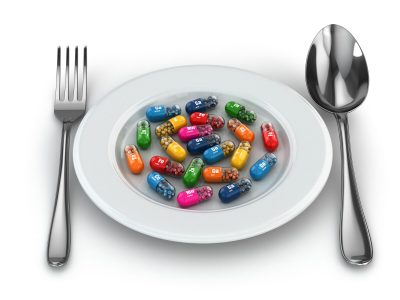
a dinner plate with a variety of colorful capsules with a fork and spoon on the table


Release Date: January 16, 2026

Expiration Date: January 16, 2029

Course Fee

Pharmacists: $7

Pharmacy Technicians: $4

There is no grant funding for this CE activity

ACPE UANs

Pharmacist: 0009-0000-26-002-H05-P

Pharmacy Technician: 0009-0000-26-002-H05-T

Session Codes

Pharmacist:  23YC01-FKE24

Pharmacy Technician:  23YC01-EFK68

Accreditation Hours

2.0 hours of CE

Accreditation Statements

The University of Connecticut School of Pharmacy is accredited by the Accreditation Council for Pharmacy Education as a provider of continuing pharmacy education.  Statements of credit for the online activity ACPE UAN 0009-0000-26-002-H05-P/T  will be awarded when the post test and evaluation have been completed and passed with a 70% or better. Your CE credits will be uploaded to your CPE monitor profile within 2 weeks of completion of the program.


Disclosure of Discussions of Off-label and Investigational Drug Use

The material presented here does not necessarily reflect the views of The University of Connecticut School of Pharmacy or its co-sponsor affiliates. These materials may discuss uses and dosages for therapeutic products, processes, procedures and inferred diagnoses that have not been approved by the United States Food and Drug Administration. A qualified health care professional should be consulted before using any therapeutic product discussed. All readers and continuing education participants should verify all information and data before treating patients or employing any therapies described in this continuing education activity.

Faculty

Jennifer Salvon, RPh
Clinical Pharmacist
Mercy Medical Center

Springfield, MA

Adjunct Faculty Member
University of Connecticut School of Pharmacy
Storrs, CT

Faculty Disclosure

In accordance with the Accreditation Council for Pharmacy Education (ACPE) Criteria for Quality and Interpretive Guidelines, The University of Connecticut School of Pharmacy requires that faculty disclose any relationship that the faculty may have with commercial entities whose products or services may be mentioned in the activity.

Jennifer Salvon does not have any relationships with ineligible companies and therefore has nothing to disclose.


ABSTRACT

Consumer consumption of dietary supplements is at an all-time high. Available products number in the tens of thousands, generating millions in annual spending. Increasing interest in overall health and wellness, preventive medicine, and immune function contribute to the rise in usage. It is a common misconception that dietary supplements are safe because they are “natural.”
Ingestion of dietary supplements poses serious health risks including adverse reactions, drug interactions, and toxicity. Adulterated, mislabeled, and contaminated products exist in the marketplace, further increasing consumer risk. Existing federal regulation and oversight for supplements differs from prescription and over-the-counter medications, occurring primarily on a post-marketing basis. Self-reporting by consumers, healthcare professionals, and industry personnel identifies these issues. Patients often omit dietary supplements from medication histories, leaving healthcare professionals unaware that patients are using them. While misinformation abounds on the Internet, many online clinically-backed sources exist.

CONTENT

Content

Introduction


Consuming natural substances to produce a desired effect on the body dates back thousands of years to ancient Egypt, Rome, China, and many other cultures. Records from early Mesopotamia include written formulas using many oils still in use today, including cedar, cypress, and licorice. Around 300 B.C., the Greek philosopher Theophrastus described the medicinal benefits of natural substances in his History of Plants. Throughout the centuries, many philosophers, scientists, and physicians continued collecting, combining, and documenting the use of natural products to treat different illnesses.1


As the science of medicine developed, so did the science of pharmacology. Isolation of the active ingredients found in herbal substances lead to the development of synthetic compounds with similar properties. The first synthetic medication, chloral hydrate, derived from chloroform and discovered in the 1800s by German chemist Justus von Lieberg, is still in use today.2


Fast forward to modern day, and the interest and use of prescription medications, over-the-counter (OTC) products, and dietary supplements are at an all-time high. In 2020, consumers filled 6.3 billion prescriptions in the United States3 (U.S.) and purchased more than 6 billion OTC products.4 The dietary supplement market reached an unprecedented level in 2020 with a global spend of $61.2 billion. Experts predict it will reach $128.64 billion by 2028.5


The COVID-19 pandemic, caused by the SARS-CoV-2 acute respiratory coronavirus, significantly impacted our perception and approach to healthcare.6 More and more people use complementary and alternative approaches to healthcare than ever before.7 For example, sales of elderberry supplements more than doubled and zinc products quadrupled shortly after the pandemic's start.8


Pharmacists, widely recognized as drug information experts, and pharmacy technicians routinely field consumers' questions about dietary supplements. Many pharmacists lack the necessary knowledge or don't know where to look to answer these questions. Pharmacy schools educate future pharmacists on prescription and OTC medications with courses about nutrition and dietary supplementation, if offered, available as electives. This continuing education activity presents information about dietary supplements through a series of seven common pharmacy situations and lets learners in on seven secrets they can apply to their practices.


Situation: Continuing education is a professional requirement many pharmacists find tedious. Looking through the UCONN online CE library and seeing a new continuing education activity entitled ‘Seven Secrets of Patient Safety with Dietary Supplements,’ a pharmacist remarks to the pharmacy team, "What a waste, no one even takes dietary supplements."


Secret #1: Almost 60% of people in the United States used a dietary supplement in the last 30 days.11,12


Dietary supplements crowd the aisles in drug stores, supermarkets, warehouse clubs, and even corner convenience stores. The sheer number of products is staggering. The Dietary Supplement Database (DSLD) is an online, searchable database developed by the Office of Dietary Supplements (ODS) at the National Institutes of Health (NIH). The database contains product labeling information on dietary supplements sold in the United States, including both on and off-market products. DSLD currently lists more than 140,000 labels.9


In the early 1960s, the National Center for Health Statistics began a program named the National Health and Nutrition Examination Survey (NHANES). NHANES is a continuous program focusing on various health and nutritional measurements and assesses adults' and children's health and nutritional status in the U.S.10 Scientific and technical journals publish the study results.


One section of the program assesses dietary supplement use among adults. Results from the 2017-2018 NHANES show that11,12

  • 57.6% of adults 20 years or older used a dietary supplement in the past 30 days
  • Women (63.8%) had a higher utilization than men (50.8%)
  • Use of dietary supplements increased with age, with women 60 years or older reporting the highest usage at 80.2%
  • Use of multiple dietary supplements increased with age
  • Most common dietary supplements used by all age groups include multivitamin-mineral supplements, vitamin D, and omega-3 fatty acids


The Council for Responsible Nutrition (CRN) is a trade association for the dietary supplement and functional food industry. Annually, the CRN performs a survey gathering data on consumer use of dietary supplements. The 2019 survey conducted by the CRN underscored dietary supplement usage with the following results13:

  • 77% of US adults take dietary supplements, including 79% of American women and 74% of males
  • Top reasons for taking supplements included:
    • Energy
    • Immune health
    • Filling nutrient gaps
    • Healthy aging
    • Heart health


The COVID-19 pandemic significantly impacted our perception and approach to healthcare.6 As of August 5, 2022, SARS-CoV-2 has infected more than 580 million people worldwide.14 Interest in boosting our overall immunity and protecting ourselves from viral infections has dramatically increased as a result.7 Many vitamins and minerals play essential roles in proper immune function.7,15 Sales of supplements associated with boosting immunity increased over the last two years, including vitamins C and D, zinc, omega-3, garlic, ginger, and turmeric.16


Table 1. Common Dietary Supplements and Potential Uses7,17,18


Dietary Supplement Potential Use
Black Cohosh Menopausal symptoms
Calcium Dyspepsia

Osteoporosis

Premenstrual syndrome

Echinacea Prevention and treatment of the common cold

Promotion of wound healing

Elderberry Prevention of upper respiratory tract infections

Reduction in duration and severity of symptoms of the common cold

Folic acid Folate deficiency

Kidney failure

Neural tube defects

Ginkgo Anxiety

Dementia

Memory improvement

Premenstrual syndrome

Ginger Dysmenorrhea

Nausea and vomiting

Osteoarthritis

Ginseng Cognitive function

Erectile dysfunction

Iron Anemia

Restless leg syndrome

Magnesium Constipation

Dyspepsia

Melatonin Sleep disorders
Multivitamin with minerals General supplementation
Omega-3 fatty acids


Alzheimer’s disease

Cardiovascular disease

Dementia

Depression

Reduction of triglycerides

Potassium Hypokalemia

Hypertension

Kidney stones

Probiotics


Atopic dermatitis

Antibiotic-associated diarrhea

Irritable bowel syndrome

St. John’s Wort Anti-depressant

Menopausal symptoms

Turmeric Allergic rhinitis

Osteoarthritis

Pruritis

Valerian Insomnia
Vitamin A Aging skin

Healthy vision

Vitamin B-12 Vitamin B-12 deficiency
Vitamin C Anemia

Antioxidant effects

Prevention of the common cold

Vitamin C deficiency

Vitamin D Osteomalacia

Osteoporosis

Vitamin D deficiency

Vitamin E Alzheimer's disease

Dysmenorrhea

Premenstrual syndrome

Zinc Acne

Depression

Diabetes

Diarrhea

Treatment of common cold


Eating a healthy diet is essential for good health and nutrition. The Dietary Guidelines for Americans advise professionals, including policymakers, health care providers, and nutrition educators, about what to eat to meet the body’s nutritional needs. It emphasizes eating a diet rich in nutrient-dense foods, such as fruits and vegetables, as the best way to meet the body’s nutritional needs. The guideline identifies specific populations in which dietary supplementation may be necessary, such as women who are pregnant or lactating and adults older than 50.19


In addition to these defined special populations, many pharmacy patients may find it necessary to take specific vitamins or minerals due to medication-induced nutrient deficiencies.


Table 2. Examples of Nutrient Depletion Induced by Medications7,17


Nutrient Medication(s) Mechanism
Vitamin D Anticonvulsants


Increase hepatic metabolism
Bile acid sequestrants


Decrease absorption
Orlistat


Decrease absorption
Magnesium


Estrogens


Decrease serum levels by increasing uptake into tissues
Loop diuretics


Increase excretion
Proton pump inhibitors


Decrease absorption
Vitamin B12


Biguanides


Decrease absorption
Proton pump inhibitors


Decrease absorption
H-2 blockers


Decrease absorption
Potassium Loop diuretics


Increase excretion
Thiazide diuretics


Increase excretion
Corticosteroids


Increase excretion


The pharmacist's dismissal of dietary supplement education is understandable. No one wants to waste precious time on irrelevant continuing education. However, the facts presented here illustrate the need for pharmacist education on dietary supplements.

Pause and ponder: A patient presents information about taking lemon and baking soda tea to prevent COVID-19 infection and asks you if it really works. How would you approach this conversation?


Situation: Sunday afternoons sometimes (but not often!) present the opportunity to catch up on administrative activities. While completing an inventory reconciliation of the vitamin section, a technician inquires, "Why does the FDA approve so many different products?" Looking up distractedly from the CII safe count, the pharmacist pauses, then replies in a weary voice, "You know, I’m not sure, probably just to make it more confusing for us."


Secret #2: Regulatory oversight of dietary supplements differs from prescription and OTC medications.


What is a Dietary Supplement?


On the most basic level, a dietary supplement is a substance consumed to add nutrients to a diet or to lower the risk of certain health problems. The use of natural substances has been around for millennia, but it is only within the last five decades that countries worldwide have formalized language and regulations around dietary supplements. Terminology, quality control, and safety assessment differ depending on the country and governing legislative body.20


In 1994, the United States Congress passed the Dietary Supplement Health and Education Act (DSHEA), an amendment to the Food, Drug, and Cosmetic Act. DSHEA defines the term dietary supplement as a product intended for ingestion and containing an ingredient that supplements the diet. Dietary supplement labeling must include the term ‘dietary supplement’ or an equivalent term such as ‘herbal supplement’ or ‘magnesium supplement.’ DSHEA also stipulates that a dietary supplement must be free of contamination, adulteration, and properly labeled.21 We will discuss dietary supplement product integrity and labeling later in this activity.


According to DSHEA, dietary supplements include vitamins, minerals, herbs, other botanicals, amino acids, and live microbials (probiotics). Dietary supplements are available in many different formulations including tablets, capsules, soft gels, gel caps, powders, and liquids.21


DSHEA defined the term ‘new dietary ingredient’ as an ingredient that meets the above criteria and was unavailable in the U.S. before October 15, 1994. If manufacturers want to market a product containing a new dietary ingredient, they must notify the U.S. Food and Drug Administration (FDA) before marketing. The FDA then reviews the product for safety but not effectiveness.21


Regulation of Dietary Supplements


The FDA and the Federal Trade Commission (FTC) share regulation and oversight of dietary supplements. The FDA is responsible for the information provided on dietary supplement product labeling, including the package labeling, product inserts, and information available at the point of sale. The FTC monitors dietary supplement advertising, ensuring advertisements are truthful, substantiated, and not misleading. Both agencies have the authority to address violations and work together to ensure their efforts are consistent with one another.22


The FDA does not have the authority to approve dietary supplement products before manufacturers market, distribute, and sell them to consumers. Manufacturers are responsible for ensuring the products they produce and distribute meet all quality standards defined by federal law. Quality standards include22

  • Ensuring the safety of the dietary ingredients used in the product
  • Following current Good Manufacturing Practices (cGMP)
  • Meeting all product labeling requirements
  • Ensuring substantiation of all claims made about the product
  • Ensuring products are free of adulteration or misbranding


cGMP, defined and regularly updated by the FDA, establish the minimum requirements for manufacturing, packaging, and labeling products to ensure product quality. cGMP includes guidance on obtaining quality ingredients, operating procedures, and quality controls.23 Failure to follow cGMP results in possible product contamination.


While the FDA may not have the authority to approve dietary supplements before the product marketing and distribution, it can monitor products via post-marketing surveillance and auditing. The FDA routinely performs manufacturer inspections, monitors the marketplace, and investigates adverse event reports. Follow-up includes working with the manufacturer to bring the product into compliance, issuing warning letters, and recalling products.21


Reporting Issues with Dietary Supplements


Post-marketing surveillance is essential for documenting and monitoring any issues with dietary supplements. Information about severe reactions and product quality are important issues to report. The FDA Safety Reporting Portal is an online tool used to report safety issues on several categories of products, including pet or livestock foods, tobacco products, animal drugs, and dietary supplements.24


The website address for the portal is https://safetyreporting.hhs.gov. Anyone can use the portal to report issues, including consumers, healthcare professionals, manufacturers, and researchers. Generating a new report starts on the home screen. The reporter chooses to file the report as a guest or by creating an account. Creating an account streamlines data entry and allows the reporting individual to save a draft of the report, follow up on a report, and view previous submissions.24


Generation of an Individual Case Safety Report ID (ICSR) occurs after report submission. The ICSR allows the reporter to identify the report for future reference including submission of a follow-up report with additional information. FDA reviewers assess the seriousness of the reported issue and assign follow-up. Submission of this information allows the FDA to identify potentially dangerous products and potentially remove them from the market.24


Traditionally, insurance companies limit coverage to prescription medications. Recent trends show an expansion of coverage to include some dietary supplements. Insurance coverage of dietary supplements blurs the regulatory differences between prescription medications and dietary supplements. Understanding the differences in oversight is beneficial and allows the pharmacy staff to counsel patients effectively.

Situation: While running back to the pharmacy after a much-needed bathroom break, a pharmacist stops when approached by a customer asking for advice about an iron supplement. Overhearing the inquiry, another customer comments, "You should buy that online; it’s cheaper, and the quality is just as good." The pharmacist nods assent, turns, and hurries back to the pharmacy amid the erupting sounds of chaos behind the counter.


Secret #3: Product integrity fluctuates between manufacturers and sources of dietary supplements.


Integrity of Dietary Supplements


The lack of government oversight opens the door for substandard products to flood the market. Poor ingredient quality, heavy metal or microbial contamination, adulteration, and mislabeling occur regularly. In the current economy, with rising prices, consumers are turning to less expensive options, and cheaper is not necessarily better, especially with dietary supplements.


In the literature, many studies exist that analyze dietary supplement product integrity. A study published in 2021 tested multiple bottles of 29 herbal supplements for consistency of ingredient activity and the presence of metal and fungal contaminants. The analysis showed inconsistent ingredient activity not only between bottles of the same product manufactured by the same company, but also between bottles manufactured by different companies. Assaying for metal contamination found zinc in 88% of bottles and nickel in 40% of bottles. In 37 of 58 bottles tested, fungal contamination was present, with 21 bottles having multiple strains.25


Another study analyzed 41 dietary supplements for the presence of cadmium, lead, and mercury. Results revealed that 68.3% of samples contained contamination with cadmium and lead, and 29.3% with mercury.26 One research team evaluated 121 dietary supplements along with 49 prescription drugs for levels of toxic element contamination. A small percentage of the dietary supplement products exceeded safety levels for mercury, lead, cadmium, arsenic, or aluminum. None of the prescription products exceeded these safety levels.27


Adulterated products contain substances not listed on the product labeling, substitution of inferior materials for active ingredients, or may contain a lesser amount of ingredients. Weight loss, sports enhancement, and sexual function supplements commonly contain banned substances.28


The FDA created and currently maintains the Health Fraud Product Database to increase awareness. This database contains information about products cited in warning letters, advisory letters, recalls, public notifications, and press announcements for various issues. Issues cited include products claiming to cure, treat, or prevent a disease and products containing undeclared ingredients or a new dietary ingredient.29 The database is available in the consumer section of the FDA website at https://www.fda.gov/consumers/health-fraud-scams/health-fraud-product-database.


On January 2, 2022, the FDA issued a warning letter to the manufacturers of Nasitrol, a nasal spray based on the ingredient iota carrageenan. A review of the product’s website found claims that the product is intended to mitigate, prevent, treat, diagnose, or cure COVID-19 in people. Federal regulations define products making these claims as drugs and subject to review by the FDA before approval and subsequent marketing. As discussed earlier, this is in direct violation of federal regulations.30


In another example, on July 15, 2022, the FDA issued a public notice advising consumers to refrain from purchasing Adam’s Secret Extra Strength Amazing Black, a product promoted for sexual enhancement. Laboratory analysis found that the product contained tadalafil, a prescription medication used for erectile dysfunction.31 Due to the potential for severe side effects such as hypotension, tadalafil administration requires medical supervision by a physician.32


A study published in 2018 analyzed FDA warning letters issued from 2007 through 2016, using data from the Health Fraud Product Database. During this time frame, the FDA found 776 adulterated dietary supplements from 146 different companies. A total of 157 products contained more than one unapproved ingredient. Products marketed for sexual enhancement accounted for 45.5% of letters, weight loss 40.9%, and muscle building 11.9%. Unapproved ingredients included sildenafil in sexual enhancement, sibutramine in weight loss, and synthetic steroids or steroid-like ingredients in muscle building supplements.33


One way for consumers to know they are purchasing a valid product is by looking for a certified product. The certification process involves an independent, third-party company testing a company’s products, offering quality assurance for dietary supplements. Parameters tested include34

  • Product contains the ingredients stated on the label
  • Presence of harmful ingredients
  • Presence of contamination
  • Proper dissolution
  • cGMP followed during manufacture


Three independent, private, third-party certifying organizations operate in the United States: the US Pharmacopeial Convention (USP), NSF International, and Consumerlabs.com. All three companies offer product certification programs for a fee. Each company allows products passing certification to display a seal on product labeling. Table 3 summarizes information about each organization.


Table 3. Dietary Supplement Certification Organizations


Certifying Organization US Pharmacopeial Convention NSF International Consumerlab.com
Website www.usp.org

www.qualitysupplements.org


www.nsf.org www.consumerlab.com
Services offered Dietary supplement verification program including GMP facility audits, product QCM process evaluation, and product testing Product and ingredient certification

GMP Certification

Certified for Sport

Product reviews

Quality Certification Program

Information available on the website Program information, list of verified products, and educational resources Program information, product search engine, and educational resources Product reviews, health condition information
GMP = Good Manufacturing Practice

Source: adapted from reference 33


Online product ordering is a convenient shopping option rapidly gaining popularity in recent years, especially during the pandemic. While tempting to order the least expensive product, investigating the source and quality of dietary supplements available online is essential. Proactive training of the entire pharmacy team aids in providing patients with accurate information.

Situation: A weary technician finally finishes ringing out the last customer after two hours straight at the register. A sigh of relief quickly turns into a disgruntled groan as another customer approaches. With a bottle labeled ‘Menopausal Support’ in hand, the customer points to the bottle label and asks, "What does ‘proprietary blend’ mean?" The technician glances over her shoulder, sees the pharmacist engaged in an intense phone conversation, and replies to the customer, "The bottle label clearly lists the ingredients."


Secret #4: Federal regulations define required dietary supplement label information. Unfortunately, ambiguity still exists, making it challenging to identify exactly what the product contains.


Federal regulations define the information required on dietary supplement product labeling in detailed, specific terms. Product labeling must include35

  • Product name
  • The term ‘dietary supplement’ or similar term (i.e., herbal supplement)
  • Name and location of the manufacturer, along with a domestic address and phone number for reporting serious adverse events
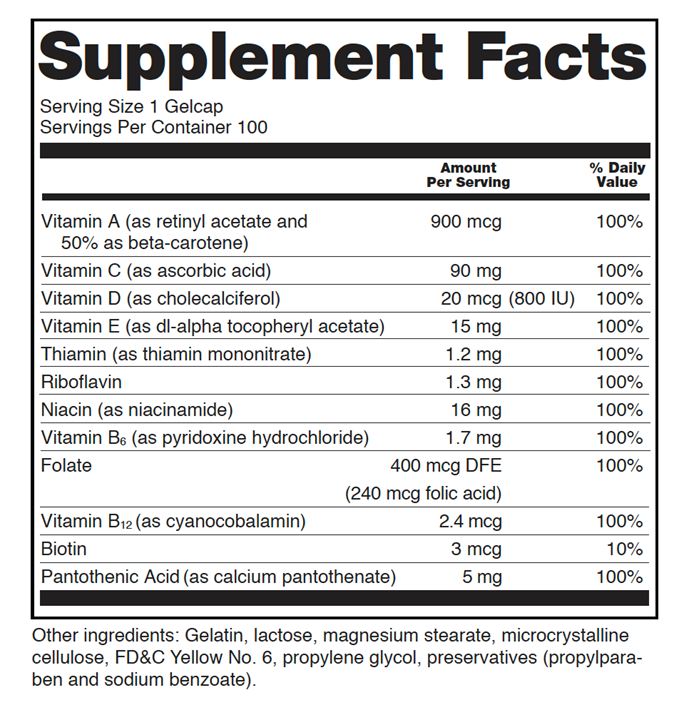
  • Nutrition labeling in the form of a “Supplement Facts” panel with the following information (see Figure 1):
    • Serving size
    • Number of servings per container
    • Listing of each dietary ingredient in the product
    • Amount of dietary ingredient per serving (Exception: ingredients in a proprietary blend)
    • Amount per serving listed as a quantitative amount by weight, as a percentage of the Daily Value, or as both
  • A list of other ingredients not declared on the Supplement Facts label (usually excipients such as preservatives or dyes)
  • Net quantity of contentsImage of a Supplemental Facts label found on dietary products.

Figure 1. Supplemental Facts Label (sourced from reference 36)

One area of ambiguity in dietary supplement product labeling is the listing of a proprietary blend. The term proprietary blend refers to a blend of dietary ingredients unique to a manufacturer and product. Federal labeling regulations allow the listing of proprietary blends on dietary supplement products, however, only the total weight of the blend is required, not the weight of individual ingredients.35 There is no way for the healthcare professional or consumer to know exactly how much of a particular ingredient the proprietary blend contains.


Consumerlabs.com cautions consumers about products containing proprietary blends or formulas. In many instances, the blend's name sounds like a desired, expensive ingredient that is only a small part of the formula. Marketing of products containing proprietary blends may mislead the consumer with claims meant to impress the consumer and drive sales of the product.37


FDA regulations do allow structure/function claims on dietary supplement labeling. Structure/function claims describe how a nutrient or dietary ingredient may affect or act to maintain the structure or function of the body.35 Examples of structure/function claims include35

  • Calcium builds strong bones
  • Antioxidants maintain cell integrity
  • Fiber maintains bowel integrity


If a dietary supplement label contains a structure/function claim it must also contain the following statement: "This statement has not been evaluated by the Food and Drug Administration. This product is not intended to diagnose, treat, cure, or prevent any disease."35


The example in this situation involved a product marketed for menopausal support. Menopausal symptoms affect more than 1 million women in the US annually and include symptoms such as hot flashes and sleep disturbances.38 A search of the DSLD using the term ‘menopausal support’ and filtering for on-market products containing the ingredient ‘proprietary blend’ returned almost 3,000 products.9 This abundance of products illustrates the ambiguity that exists on dietary supplement labeling.


Pharmacy technicians are often the first line of contact at the pharmacy. Training and development of pharmacy technicians on the facts surrounding dietary supplements empower technicians, allowing them to answer factual questions and provide effective patient education.


Situation: The pharmacy phone constantly rings throughout the day, and today is no exception. The new COVID vaccine is out, and everyone wants to know if the pharmacy has it in stock. Answering yet another call, the technician is surprised when a patient asks to talk to the pharmacist, complaining about dizziness. The pharmacist checks the patient’s profile, finding no underlying causative medication. Further questioning the patient, the pharmacist uncovers the recent addition of melatonin at night for sleep.


Secret #5: Like prescription medications, dietary supplements have pharmacologic and physiologic effects on the body, potentially resulting in health risks and side effects.


Consumers perceive dietary supplements as safe due to their source from natural substances. While generally well tolerated, dietary supplements affect the body like prescription medications, capable of producing an undesired effect. Lack of regulatory oversight allows products to reach consumers without adequate safety evaluation.


Information describing adverse effects of dietary supplements is anecdotal, derived from case reports and reports submitted through the FDA Safety Reporting Portal. Most dietary supplements have not been studied in pregnant or lactating women or children.


A study published in 2015 evaluated ten years of emergency room data to assess the number of annual visits resulting from dietary supplement adverse events. The authors calculated an average of more than 23,000 emergency room visits stemmed from the consumption of dietary supplements, resulting in more than 2,000 hospitalizations annually.39


Events in older adults accounted for the highest percentage of visits, with 40% of visits due to difficulty swallowing. Incidence in young adults aged 20 to 34 was significant at 28% and primarily involved weight loss and energy products. Side effects reported include heart palpitations, chest pain, and tachycardia.39


Unsupervised child ingestions accounted for 21% of visits. Unlike prescription medications, regulations do not require child-resistant packaging for dietary supplements, except for iron-containing products.39 The authors note the numbers evaluated in the study are likely underreported as patients do not always include dietary supplements with the current medication list.39


Table 4. Adverse Effects of Common Dietary Supplements7,17


Supplement Adverse Effects
Black Cohosh


Breast tenderness, diarrhea, gastrointestinal upset, nausea/vomiting
Calcium


Burping, constipation, gastrointestinal upset
Echinacea


Diarrhea, constipation, gastrointestinal upset/pain, heartburn, nausea/vomiting, skin rashes
Ginseng Gastrointestinal side effects, headache, sleep difficulty
Ginger


Burping, diarrhea, heartburn
Iron


Abdominal pain, constipation, diarrhea, nausea/vomiting
Magnesium


Diarrhea, gastrointestinal irritation, nausea/vomiting
Melatonin


Dizziness, drowsiness, headache
Omega-3 fatty acids Bad breath, headache, heartburn, nausea, diarrhea, unpleasant taste
Potassium


Abdominal pain, burping, diarrhea, nausea/vomiting
St. John’s Wort


Diarrhea, dizziness, dry mouth, fatigue, headache, insomnia
Turmeric


Constipation, dyspepsia, gastrointestinal reflux, nausea/vomiting
Vitamin C


Abdominal cramping, heartburn, kidney stones (if history of kidney stones)
Zinc


Abdominal cramping, diarrhea, metallic taste, nausea/vomiting


Patients often fail to report usage of dietary supplements and most pharmacy software lacks the ability to note dietary supplement usage in the patient profile. In this situation, the pharmacist took the extra time to further question the patient about dietary supplement usage and successfully identified the causative agent.


Pause and Ponder: In what ways could you incorporate activities into the daily workflow to increase awareness of patients’ use of dietary supplements?


Situation: Today, the workload in the pharmacy is lighter than usual. With a grateful sigh, the pharmacist sinks onto a stool reaching for a quick snack. Then the phone rings… The caller is a triage nurse from the local hospital to verify a patient’s medication profile. Pulling up the profile, the pharmacist verifies the list of medications, including digoxin. The triage nurse confirms atrial fibrillation as the cause for admission, adding that the patient recently started taking St. John’s Wort for depression.


Secret #6: Some dietary supplements affect the CYP450 liver enzymes, potentially altering the pharmacokinetics of medications, leading to treatment failure and/or toxicity.


Dietary supplement-drug interactions


Drug-drug interactions result in altered absorption, metabolism, or excretion. Drug-dietary supplement interactions occur through the same pathways as those used by FDA-approved drugs. The cytochrome P450 (CYP P450) enzymes in the liver are responsible for the metabolism of most medications.41,42 The ability of a drug to either induce or inhibit these enzymes is a significant factor in drug-drug interactions. The natural ingredients found in dietary supplements are capable of inhibition or induction, also having the potential to interact with medications.


St. John’s Wort, an herbal commonly taken for the relief of mild to moderate depression, induces the activity of CYP3A4.43,44 This induction increases the clearance of medications metabolized by CYP3A4. Examples of medications cleared by CYP3A4 include alprazolam, atorvastatin, cyclosporine, oral contraceptives, oxycodone, and warfarin.43,44 Patients need counseling about potential drug interactions with St. John’s Wort.


Limited clinical studies evaluating the impact of drug-dietary supplement interactions exist. Many interactions are theoretical, based on limited clinical evidence, animal research, and case reports.


Table 5. Examples of Potential Drug-Dietary Supplement Interactions7,17


Dietary Supplement Medication Interaction
Calcium


Quinolone and tetracycline antibiotics Decreased antibiotic efficacy

Take antibiotic 2 hours before or 4-6 hours after calcium

Dolutegravir

Elvitegravir

Reduced serum levels

Take medication 2 hours before or 2 hours after calcium

Ginseng Diabetes medications Increase risk of hypoglycemia
Immunosuppressants Decreased effectiveness of immunosuppressant
Ginkgo


Anticoagulants Increased risk of bleeding
Iron


Quinolone and tetracycline antibiotics Decreased levels of antibiotics due to decreased absorption

Take antibiotics 2 hours before or 4-6 hours after iron

Magnesium


Bisphosphonates Decreased absorption


Levodopa/carbidopa Decreased bioavailability of levodopa/carbidopa
Niacin


Statins Increased risk of myopathy or rhabdomyolysis
Thyroid hormones Antagonize the effects of thyroid hormone replacement
Antihypertensive medications Increased risk of hypotension due to niacin’s vasodilating effects
St. John’s Wort Alprazolam Decreased effects of alprazolam
Oral Contraceptives Decreased efficacy

Counsel patients to use other forms of contraception

Digoxin Decreased levels of digoxin
Omeprazole Decreased effects of omeprazole
Valerian CNS depressant drugs Additive sedative effects
Vitamin B6


Phenytoin Decrease levels and clinical effects of phenytoin
Vitamin D


Atorvastatin Decreased absorption of atorvastatin
Vitamin E


Anticoagulants Increased risk of bleeding
Zinc


Quinolone antibiotics Decreased levels and effects of antibiotics

Take antibiotic 2 hours prior or 4-6 hours after zinc


Pharmacy training emphasizes the importance of drug-drug interactions. It is important to remember that any substance introduced to the body, including food, beverages, and dietary supplements, has the potential to interact with medications.

Situation: It is another busy day in the pharmacy; prescriptions cover the bench, the phone rings constantly, and a pickup queue extends around the corner. A technician nervously approaches the pharmacist about a patient at the counter with a question regarding a supplement. The pharmacist throws down the spatula, muttering angrily about lacking the knowledge and training to answer the question properly. Sighing, he says, "I’ll just Google it."


Secret #7: Many websites provide clinically backed information on dietary supplements (and Google is not one of them!).


The vast amount of health information available via the Internet with just a few clicks of the keyboard is both a blessing and a curse. Google is now a verb, and a simple search returns millions of results in seconds. While this may seem like a blessing, the curse lies in the searcher's inability to recognize valid, accurate sources of information. In many searches, ads appear as search results adding to the confusion.


In addition to the Internet, consumers turn to social media for health information. Social media use increased from 27% in 2009 to 86% in 2019.45 Information posted on social media provides communication about healthcare issues, potentially resulting in improved health care.45 Unfortunately, inaccurate information abounds on the Internet and social media platforms, leading to consumer misinformation.47-49


The FDA recently launched a new dietary supplement education initiative geared towards consumers, healthcare professionals, and teachers. The program, Supplement Your Knowledge, presents information about dietary supplements through a series of three videos. Educational materials, including fact sheets and infographics, are available in English and Spanish.50


Many government agencies provide free access to information about dietary supplements and their side effects, toxicity, and drug interactions. There are also several paid subscription resources available. Table 6 lists many of the available information options.


Table 6. Sources of Information about Dietary Supplements


Resource Website Information
Dietary Supplement Education Program https://www.fda.gov/food/healthcare-professionals/dietary-supplement-continuing-medical-education-program


  • Continuing medical education program
  • Collaboration between FDA and AMA
  • Series of 3 videos about dietary supplements
  • Also contains links to educational materials and other websites with information about dietary supplements
Dietary Supplement Label Database https://dsld.od.nih.gov


  • Current and historical label information on dietary supplement products marketed in the United States
  • Useful to determine the contents of dietary supplement products
Food and Drug Administration https://www.fda.gov/food/dietary-supplements/information-consumers-using-dietary-supplements


  • Information for consumers on using dietary supplements
  • Links to educational resources and materials, consumer updates, alerts, recalls and other information
Google Scholar


https://scholar.google.com/


  • Source of information from many avenues including journals, books, and conference proceedings
Lexi-Comp

Natural Products Database

Available via mobile app
  • Requires a paid subscription
  • Alphabetical, searchable natural product database
Memorial Sloane Kettering Cancer Center https://www.mskcc.org/cancer-care/diagnosis-treatment/symptom-management/integrative-medicine/herbs


  • Information on herbs, botanicals, and other products for both consumers and healthcare professionals
  • Dietary supplement monographs
  • IOS app: About Herbs
  • Part of an online integrative medicine resource center
National Cancer Institute Office of Cancer Complementary and Alternative Medicine https://cam.cancer.gov


  • Information for consumers and healthcare professionals about CAM as it relates to cancer therapy
  • Information on current NCI CAM research
National Center for Complementary and Integrative Health https://www.nccih.nih.gov


  • Information for both consumers and healthcare professionals about complementary health products and practices
National Library of Medicine - Medline Plus https://medlineplus.gov/druginfo/herb_All.html


  • Online health information about drugs, herbs, and supplements for consumers
  • Information sourced from the National Center for Complementary and Integrative Health and Natural Medicines Comprehensive Database
Natural Medicines Comprehensive Database https://naturalmedicines.therapeuticresearch.com


  • Requires a paid subscription
  • Professional monographs including information about effectiveness, safety, adverse effects, and interactions
  • Information on specific commercial products
  • Interaction checker
  • Patient handouts in English, Spanish and French
Office of Dietary Supplements https://ods.od.nih.gov
  • Information for both consumers and healthcare professionals
  • General supplement information
  • Information on supplements for specific purposes
  • Fact sheets on dietary supplements and their ingredients
PubMed https://pubmed.ncbi.nlm.nih.gov


  • Search engine for the National Library of Medicine
  • Source of information from journals
United States Department of Agriculture https://www.nutrition.gov/topics/dietary-supplements


  • Links to general information and resources on dietary supplements


Performing an Internet search via Google may seem like the quickest and easiest way to find the answer to an inquiry. Engaging with the patient, gaining additional information, and knowing where to look ultimately saves time. It is not necessary for one to be an expert in all dietary supplements, just to self-educate one supplement at a time.


Pause and Ponder: A patient shares the unfortunate news about a recent cancer diagnosis. He asks you about the use of herbs in the treatment of cancer. What advice would you give? 

Conclusion

You may have noticed a recurring theme throughout this activity. Education. Dietary supplement education is essential to patient safety given the current usage patterns and accessibility of the retail pharmacy team. Education needs to include the entire pharmacy team. Technicians are often the first point of contact at the pharmacy, commonly fielding patient questions. Knowing when to answer questions and when to involve the pharmacist is a necessary skill. Understanding the differences in oversight, the physiological effects of dietary supplement consumption, and the potential for drug interactions allows effective management and counseling of patients. It is important for healthcare providers to solicit information regarding patient consumption of dietary supplements.


Sidebar: Tips for Counseling Patients about Dietary Supplements


Carefully inspect the product to ensure intact product labeling

Ensure the safety seal is intact

Check for an expiration date or best used by date

Check for customer service or return information before ordering

Buy direct from a reputable company; many reputable companies sell through Amazon, avoid 3rd party resellers

Check for the presence of a third-party certification seal

Before purchase, check the company’s website for information on quality standards

Pay attention to the appearance and smell of the product upon opening

Child-resistant packaging is not a requirement for dietary supplements; advise on proper storage of product

Reinforce the importance of including dietary supplements on a current medication list


Pharmacist Post Test (for viewing only)

Seven Secrets for Patient Safety with Dietary Supplements

Pharmacist post-test

After completing this continuing education activity, pharmacists will be able to:

1. Discuss the importance of knowing about a patient’s dietary supplement usage (K)
2. Identify commonly used dietary supplements, their regulation, and the value of certification (K, or A?)
3. Recognize potential medication-dietary supplement interactions (K)
4. Demonstrate the ability to locate different sources of information about dietary supplements (A)

1. According to The National Health and Nutrition Examination Survey more than what percentage of adults have used a dietary supplement in the last 30 days?

A. 45%
B. 50%
C. 55%

2. Which of the following is a commonly used dietary supplement?

A. Boswellia
B. Turmeric
C. Quercetin

3. Which government agencies regulate dietary supplements?

A. USDA, FDA
B. FTC, DEA
C. FTC, FDA

4. Patient MW fills a new prescription for bumetanide. Which potential nutrient depletion may occur?

A. Magnesium
B. Vitamin D
C. Vitamin B12

5. While completing an inventory reconciliation of the vitamin section, a technician inquires, ‘Why does the FDA approve so many different products?’ Which of the following is the most appropriate answer?

A. ‘The FDA does not have the authority to approve dietary supplements, the FTC approves dietary supplements, including vitamins.’
B. ‘The FDA does not have the authority to approve dietary supplements before they are marketed, allowing manufacturers to flood the market with products.’
C. ‘You know, I’m not sure, probably just to make it more confusing for us.’

6. Which of the following companies offer independent third-party dietary supplement certification services?

A. Consumer Reports
B. NSF International
C. Certified Naturally Grown

7. Patient ED is a 58-year-old male new to your pharmacy. He provides the pharmacy team with a list of his current medications including:
• Warfarin 3 mg PO QD
• Atorvastatin 10 mg PO QD
• Donepezil 10 mg PO QHS
• Metformin 1,000 mg PO BID
Use of which of the following supplements would be cause for concern in this patient?

A. Ginkgo
B. Omega-3 fatty acids
C. Niacin

8. A patient calls with questions about a supplement recommended by a friend. The name of the supplement is Mind and Memory Essentials, and the patient does not know the product ingredients. Where would you go to find this information?

A. Dietary Supplement Label Database
B. Office of Dietary Supplements
C. United States Department of Agriculture

9. A patient asks you about the potential side effects of taking turmeric. Where would you go to find this information?

A. Google
B. PubMed
C. Office of Dietary Supplements

10. You are verifying a new birth control prescription for a patient, recalling that the patient strongly believes in alternative medicine and dietary supplementation. Thankfully her profile contains a list of dietary supplements. You see St. John’s Wort listed and suspect a drug-supplement interaction. Where would you go to find more information?

A. Natural Medicines Database
B. Google Scholar
C. National Library of Medicine

11. One of your regular patients stops by the counter to ask your opinion on a dietary supplement product purchased on the Internet. What should you assess when looking over the product?

A. Product labeling, color of bottle, structure/function disclaimer, certification
B. Certification, expiration date, product labeling, intact seal
C. Expiration date, product price, certification, product labeling

12. Pharmacy patient ML approaches the pharmacy counter to purchase several bottles of oral glucose tablets. When questioned, the patient reveals the recent occurrence of several hypoglycemic episodes. The patient confirms compliance with taking their prescription for metformin 1 gm PO BID. ML reports no changes in other prescriptions or dietary habits but does state they started taking a dietary supplement a few days ago but cannot recall the name. Which product would you suspect based on the information provided?

A. Vitamin E
B. Valerian
C. Ginseng

Pharmacy Technician Post Test (for viewing only)

Pharmacy Technician

After completing this continuing education activity, pharmacy technicians will be able to:

1. Discuss the importance of knowing about a patient’s dietary supplement usage (K)
2. Identify commonly used dietary supplements (A)
3. Define dietary supplement oversight and different levels of quality (K)
4. Recognize the need for pharmacist counseling when a patient is taking a dietary supplement (K)

1. Why is it important to ask about a patient’s usage of dietary supplements?

A. It is not important to ask about dietary supplement usage.
B. To identify which dietary supplements the pharmacy should feature on the front counter.
C. Dietary supplements potentially interact with prescription medications.

2. Which of the following is a commonly used dietary supplement?

A. Boswellia
B. Turmeric
C. Quercetin

3. Which government agencies regulate dietary supplements?

A. USDA, FDA
B. FTC, DEA
C. FTC, FDA

4. A patient approaches the counter with 2 different magnesium products and asks your opinion on which to purchase. Which of the following is an appropriate answer?

A. Let’s look at these a little closer.
B. Neither, it’s better to buy supplements online.
C. The one that’s on sale.

5. Reasons for dietary supplementation include which of the following?

A. To supplement a poor diet.
B. Promotion of optimal immune health
C. No one needs to take dietary supplements.

6. Which of the following companies offer independent third-party dietary supplement certification services?

A. Consumer Reports
B. NSF International
C. Certified Naturally Grown

7. You are entering a new patient into the pharmacy system. In addition to asking about allergies, demographics, and current medications, what else should you ask?

A. How many hours of sleep do you average a night?
B. Do you take any over-the-counter medications or dietary supplements?
C. How many children do you have and how old are they?

8. You are finally heading out for a lunch break and walk past a pharmacy patient in the aisle looking at 2 different brands of St. John’s Wort. What should you do?

A. Keep going, you already punched out and only have 30 min to eat your lunch.
B. Stop and offer to accompany them to the pharmacy to talk to the pharmacist.
C. Stop and help them make a choice between the products.

9. A patient picks up a medication and purchases a bottle of magnesium at the same time. What should you do?

A. Advise the patient that there may be an interaction between the prescription and the magnesium.
B. Ring out the patient as usual.
C. Touch base with the pharmacist to make sure there are no potential interactions between the products.

10. Where should adverse reactions or issues with dietary supplements be reported?

A. FDA Safety Reporting Portal
B. Federal Trade Commission
C. Office of Dietary Supplements

References

Full List of References

References

    1. Cragg GM, Newman DJ. Natural products: a continuing source of novel drug leads. Biochim Biophys Acta. 2013;1830(6):3670-3695. doi:10.1016/j.bbagen.2013.02.008

    2. Jones AW. Early drug discovery and the rise of pharmaceutical chemistry. Drug Test Anal. 2011;3(6):337-344. doi:10.1002/dta.301

    3. Aitken M, Kleinrock M. The Use of Medicines in the U.S. Spending and Usage Trends and Outlook to 2025. IQVIA Institute for Human Data Science. May 2021. Accessed August 5, 2022. https://www.iqvia.com/-/media/iqvia/pdfs/institute-reports/the-use-of-medicines-in-the-us/iqi-the-use-of-medicines-in-the-us-05-21-forweb.pdf

    4. OTC Sales Statistics. Consumer Healthcare Products Association. Accessed June 22, 2022. https://www.chpa.org/about-consumer-healthcare/research-data/otc-sales-statistics

    5. Dietary Supplements Market Size, Share & COVID-19 Impact Analysis, By Type (Vitamins, Minerals, Enzymes, Fatty Acids, Proteins, and Others), Form (Tablets, Capsules, Liquids, and Powders), and Regional Forecasts, 2021-2028. Fortune Business Insights. Accessed June 22, 2022. https://www.fortunebusinessinsights.com/dietary-supplements-market-102082

    6. Moynihan R, Sanders S, Michaleff ZA, et al. Impact of COVID-19 pandemic on utilisation of healthcare services: a systematic review. BMJ Open. 2021;11(3):e045343. Published 2021 Mar 16. doi:10.1136/bmjopen-2020-045343

    7. Dietary Supplements in the Time of COVID-19. Fact Sheet for Health Professionals. National Institutes of Health, Office of Dietary Supplements. Accessed July 20, 2022. https://ods.od.nih.gov/factsheets/COVID19-HealthProfessional/.

    8. Adams KK, Baker WL, Sobieraj DM. Myth Busters: Dietary Supplements and COVID-19. Ann Pharmacother. 2020;54(8):820-826. doi:10.1177/1060028020928052

    9. US Department of Health and Human Services, National Institutes of Health, Office of Dietary Supplements. Dietary Supplement Label Database (DSLD). Accessed August 5, 2022. https://ods.od.nih.gov/Research/Dietary_Supplement_Label_Database.aspx

    10. About the National Health and Nutrition Examination Survey. National Center for Health Statistics. Accessed July 20, 2022. https://www.cdc.gov/nchs/nhanes/about_nhanes.htm

    11. Mishra S, Stierman B, Gahche JJ, Potischman N. Dietary supplement use among adults: United States, 2017–2018. NCHS Data Brief, no 399. Hyattsville, MD: National Center for Health Statistics. 2021. DOI: https://doi.org/10.15620/cdc:101131external icon

    12. Gahche JJ, Bailey RL, Potischman N, et al. Federal Monitoring of Dietary Supplement Use in the Resident, Civilian, Noninstitutionalized US Population, National Health and Nutrition Examination Survey. J Nutr. 2018;148(Suppl 2):1436S-1444S. doi:10.1093/jn/nxy093

    13. 2019 CRN Consumer Survey on Dietary Supplements. Council for Responsible Nutrition. https://www.crnusa.org/2019survey. Published September 30, 2019. Accessed June 1, 2022.

    14. Johns Hopkins Coronavirus Resource Center. https://coronavirus.jhu.edu/. Accessed August 5, 2022.

    15. Calder PC, Carr AC, Gombart AF, Eggersdorfer M. Optimal Nutritional Status for a Well-Functioning Immune System Is an Important Factor to Protect against Viral Infections. Nutrients. 2020;12(4):1181. Published 2020 Apr 23. doi:10.3390/nu12041181

    16. Hamulka J, Jeruszka-Bielak M, Górnicka M, Drywień ME, Zielinska-Pukos MA. Dietary Supplements during COVID-19 Outbreak. Results of Google Trends Analysis Supported by PLifeCOVID-19 Online Studies. Nutrients. 2020;13(1):54. Published 2020 Dec 27. doi:10.3390/nu13010054

    17. Natural Medicines. Therapeutic Research Center. Accessed August 2, 2022. https://naturalmedicines.therapeuticresearch.com.

    18. Office of Dietary Supplements Dietary Supplement Fact Sheets. Accessed August 2, 2022. https://ods.od.nih.gov/factsheets/list-all/

    19. U.S. Department of Agriculture and U.S. Department of Health and Human Services. Dietary Guidelines for Americans, 2020-2025. 9th Edition. December 2020. Available at DietaryGuidelines.gov. https://www.dietaryguidelines.gov/sites/default/files/2021-03/Dietary_Guidelines_for_Americans-2020-2025.pdf

    20. Thakkar S, Anklam E, Xu A, et al. Regulatory landscape of dietary supplements and herbal medicines from a global perspective. Regul Toxicol Pharmacol. 2020;114:104647. doi:10.1016/j.yrtph.2020.104647
    21. FDA 101: Dietary supplements. United States Food and Drug Administration. Accessed July 31, 2022. https://www.fda.gov/consumers/consumer-updates/fda-101-dietary-supplements.
    22. Questions and Answers on Dietary Supplements. U.S. Food and Drug Administration. Accessed July 31, 2022. https://www.fda.gov/food/information-consumers-using-dietary-supplements/questions-and-answers-dietary-supplements.

    23. Facts About the Current Good Manufacturing Practices (cGMPs). U.S. Food and Drug Administration. Accessed July 22, 2022.
    https://www.fda.gov/drugs/pharmaceutical-quality-resources/facts-about-current-good-manufacturing-practices-cgmps

    24. Safety Reporting Portal. Food and Drug Administration. Accessed August 10, 2022. https://www.safetyreporting.hhs.gov/SRP2/en/Home.aspx?sid=da6dc761-7962-4743-82cd-2e62985492d0

    25. Veatch-Blohm ME, Chicas I, Margolis K, Vanderminden R, Gochie M, Lila K. Screening for consistency and contamination within and between bottles of 29 herbal supplements. PLoS One. 2021;16(11):e0260463. Published 2021 Nov 23. doi:10.1371/journal.pone.0260463

    26. Ćwieląg-Drabek M, Piekut A, Szymala I, et al. Health risks from consumption of medicinal plant dietary supplements. Food Sci Nutr. 2020;8(7):3535-3544. Published 2020 May 19. doi:10.1002/fsn3.1636

    27. Genuis SJ, Schwalfenberg G, Siy AK, Rodushkin I. Toxic element contamination of natural health products and pharmaceutical preparations. PLoS One. 2012;7(11):e49676. doi:10.1371/journal.pone.0049676

    28. Tucker J, Fischer T, Upjohn L, Mazzera D, Kumar M. Unapproved Pharmaceutical Ingredients Included in Dietary Supplements Associated With US Food and Drug Administration Warnings [published correction appears in JAMA Netw Open. 2018 Nov 2;1(7):e185765]. JAMA Netw Open. 2018;1(6):e183337. Published 2018 Oct 5. doi:10.1001/jamanetworkopen.2018.3337

    29. Health Fraud Product Database. United States Food and Drug Administration. Accessed August 10, 2022. https://www.fda.gov/consumers/health-fraud-scams/health-fraud-product-database

    30. Warning Letter: Amcyte Pharma, Inc. United States Food and Drug Administration. January 03, 2022. Accessed August 12, 2022. https://www.fda.gov/inspections-compliance-enforcement-and-criminal-investigations/warning-letters/amcyte-pharma-inc-623474-01032022

    31. Public Notification: Adam’s Secret Extra Strength Amazing Black contains hidden drug ingredient. United States Food and Drug Administration. July 15, 2022. Accessed August 12, 2022. https://www.fda.gov/drugs/medication-health-fraud/public-notification-adams-secret-extra-strength-amazing-black-contains-hidden-drug-ingredient

    32. Coward, RM, Carson CC. Tadalafil in the treatment of erectile dysfunction. Ther Clin Risk Manag. 2008;4(6):1315-1329. Accessed October 3, 2022. https://www.ncbi.nlm.nih.gov/pmc/articles/PMC2643112/pdf/TCRM-4-1315.pdf

    33. Tucker J, Fischer T, Upjohn L, Mazzera D, Kumar M. Unapproved Pharmaceutical Ingredients Included in Dietary Supplements Associated With US Food and Drug Administration Warnings [published correction appears in JAMA Netw Open. 2018 Nov 2;1(7):e185765]. JAMA Netw Open. 2018;1(6):e183337. Published 2018 Oct 5. doi:10.1001/jamanetworkopen.2018.3337

    34. Akabas SR, Vannice G, Atwater JB, Cooperman T, Cotter R, Thomas L. Quality Certification Programs for Dietary Supplements. J Acad Nutr Diet. 2016;116(9):1370-1379. doi:10.1016/j.jand.2015.11.003

    35. Dietary Supplement Labeling Guide, U.S. Food and Drug Administration. https://www.fda.gov/food/dietary-supplements-guidance-documents-regulatory-information/dietary-supplement-labeling-guide Accessed July 15, 2022.

    36. Frequently Asked Questions for Industry on Nutrition Facts Labeling Requirements. United States Food and Drug Administration. Accessed August 12, 2022. https://www.fda.gov/media/99158/download

    37. Cooperman, T. 6 Red Flags to Watch Out For When Buying Vitamins & Supplements. October 9, 2021. Accessed August 12, 2022. https://www.consumerlab.com/answers/what-to-watch-out-for-when-buying-vitamins-and-supplements/vitamin-and-supplement-red-flags

    38. Research explores the impact of menopause on women’s health and aging. National Institute of Aging. May 6, 2022. Accessed September 6, 2022. https://www.nia.nih.gov/news/research-explores-impact-menopause-womens-health-and-aging

    39. Geller AI, Shehab N, Weidle NJ, et al. Emergency Department Visits for Adverse Events Related to Dietary Supplements. N Engl J Med. 2015;373(16):1531-1540. doi:10.1056/NEJMsa1504267

    40. Code of Federal Regulations. Title 16, Chapter II, Subchapter E, Part 1700. Amended September 6, 2022. Accessed September 6, 2022. https://www.ecfr.gov/current/title-16/chapter-II/subchapter-E/part-1700/section-1700.14

    41. Zanger UM, Turpeinen M, Klein K, Schwab M. Functional pharmacogenetics/genomics of human cytochromes P450 involved in drug biotransformation. Anal Bioanal Chem. 2008;392(6):1093-1108. doi:10.1007/s00216-008-2291-6

    42. Matura JM, Shea LA, Bankes VA. Dietary supplements, cytochrome metabolism, and pharmacogenetic considerations [published online ahead of print, 2021 Nov 4]. Ir J Med Sci. 2021;10.1007/s11845-021-02828-4. doi:10.1007/s11845-021-02828-4

    43. Chrubasik-Hausmann S, Vlachojannis J, McLachlan AJ. Understanding drug interactions with St John's wort (Hypericum perforatum L.): impact of hyperforin content. J Pharm Pharmacol. 2019;71(1):129-138. doi:10.1111/jphp.12858

    44. Zhou S, Chan E, Pan SQ, Huang M, Lee EJ. Pharmacokinetic interactions of drugs with St John's wort. J Psychopharmacol. 2004;18(2):262-276. doi:10.1177/0269881104042632

    45. Chen J, Wang Y. Social Media Use for Health Purposes: Systematic Review. J Med Internet Res. 2021;23(5):e17917. Published 2021 May 12. doi:10.2196/17917

    46. Moorhead SA, Hazlett DE, Harrison L, Carroll JK, Irwin A, Hoving C. A new dimension of health care: systematic review of the uses, benefits, and limitations of social media for health communication. J Med Internet Res. 2013;15(4):e85. Published 2013 Apr 23. doi:10.2196/jmir.1933

    47. Swire-Thompson B, Lazer D. Public Health and Online Misinformation: Challenges and Recommendations. Annu Rev Public Health. 2020;41:433-451. doi:10.1146/annurev-publhealth-040119-094127

    48. Chou WS, Oh A, Klein WMP. Addressing Health-Related Misinformation on Social Media. JAMA. 2018;320(23):2417-2418. doi:10.1001/jama.2018.16865

    49. Suarez-Lledo V, Alvarez-Galvez J. Prevalence of Health Misinformation on Social Media: Systematic Review. J Med Internet Res. 2021;23(1):e17187. Published 2021 Jan 20. doi:10.2196/17187

    50. Supplement Your Knowledge. Dietary Supplement Education Initiative. United States Food and Drug Administration. May 25, 2022. Accessed July 20, 2022. Reference the Supplement your knowledge program

    Patient Safety: Pharmacy Metrics-Recorded Webinar

    About this Course

    This course is a recorded (home study version) of the Pharmacy Metrics Webinar


    Learning Objectives

    Upon completion of this application based CE Activity, a pharmacy technician will be able to:

    • Describe the importance of pharmacy metrics for efficient operation.
    • Define pharmacy metrics in various settings.
    • Describe how team members can effectively contribute to the workplace

    Release and Expiration Dates

    Released:  September 15, 2023
    Expires:  September 15, 2026

    Course Fee

    $4  Pharmacy Technician

    ACPE UAN

    0009-0000-23-026-H05-T

    Session Code

    20YC63-BCX86

    Accreditation Hours

    1.0 hours of CE

    Additional Information


    How to Complete Evaluation:  When you are ready to submit quiz answers, go to the BLUE take test/evaluation button.

    Accreditation Statement

    The University of Connecticut School of Pharmacy is accredited by the Accreditation Council for Pharmacy Education as a provider of continuing pharmacy education.

    Pharmacists and Pharmacy Technicians are eligible to participate in this application-based activity and will receive up to 1.0 CE Hours (or 0.1 CEUs)  for completing the activity ACPE UAN 0009-0000-23-026-H05-T, passing the quiz with a grade of 70% or better, and completing an online evaluation. Statements of credit are available via the CPE Monitor online system and your participation will be recorded with CPE Monitor within 72 hours of submission.

    Grant Funding

    There is no grant funding for this activity.

    Faculty

    Sara Miller, PharmD
    CVS Pharmacist
    Foxboro, MA

    Kyra Durfee, PharmD Candidate 2022
    UConn School of Pharmacy
    Storrs, CT

    Gabriella Scala, PharmD Candidate 2022
    UConn School of Pharmacy
    Storrs, CT 

    Faculty Disclosure

    In accordance with the Accreditation Council for Pharmacy Education (ACPE) Criteria for Quality and Interpretive Guidelines, The University of Connecticut School of Pharmacy requires that faculty disclose any relationship that the faculty may have with commercial entities whose products or services may be mentioned in the activity.

    • Sara Miller, Kyra Durfee and Gabriela Scala have no relationships with ineligible companies and therefore nothing to disclose.

    Disclaimer

    The material presented here does not necessarily reflect the views of The University of Connecticut School of Pharmacy or its co-sponsor affiliates. These materials may discuss uses and dosages for therapeutic products, processes, procedures and inferred diagnoses that have not been approved by the United States Food and Drug Administration. A qualified health care professional should be consulted before using any therapeutic product discussed. All readers and continuing education participants should verify all information and data before treating patients or employing any therapies described in this continuing education activity.

    Content

    Post Test

    1. Which of the following is NOT a use for metrics in pharmacies?
    A. Quantify workflow
    B. Exhaust staff
    C. Establish comparators

    2. Patient-centered metrics are based on which of the following?
    A. Profits
    B. Public health initiatives
    C. Patient complaints

    3. _____ is a metric used to assess productivity.
    A. Time-to-fill
    B. Rate of medication errors
    C. Out-of-stock prescriptions

    4. Which of the following is a good way to reach vaccination metrics?
    A. Letting the patient contact the pharmacy about vaccinations
    B. Reminding patients of vaccinations at the register
    C. Relying on advertising to encourage patients

    5. What does SMART goals, a great way to develop an approach to improve metrics, stand for?
    A. Specific, Measurable, Achievable, Relevant, Time-Bound
    B. Specific, Measurable, Achievable, Resourceful, Time-Bound
    C. Specific, Measurable, Accurate, Reasonable, Time-Bound

    6. What is the most important skill in the workplace when tackling metrics?
    A. Speed
    B. Communication
    C. Knowledge

    7. Many metrics focus on efficiency. What other consideration is crucial?
    A. Type of pharmacy
    B. Patient safety
    C. Workload or volume

    8. Select the statement that is TRUE:
    A. Metrics usually refer to a general aspect of pharmacy tasks, so they are the same in community and clinical settings.
    B. While metrics often refer to a general aspect of pharmacy tasks, they can vary greatly between community and clinical settings.
    C. While metrics often refer to a general aspect of pharmacy tasks, pharmacies should stay away from standard metrics and develop new approaches.

    9. Super Tech is worried about her pharmacy’s time-to-fill metric. Wonder Pharmacist is focused on inventory metrics. Three months go by and they haven’t made good progress on either. Why?
    A. They are working alone on each metric, but need to be working together.
    B. It’s not possible to work on two metrics at the same time.
    C. Improving time-to-fill metrics will adversely influence inventory metrics.

    10. Which of the following activity falls heavily on pharmacy technicians and contributes heavily to pharmacy metrics in the community setting?
    A. Vaccinations
    B. Insurance and billing
    C. In-person patient interaction

    Handouts

    VIDEO

    NDMA Contamination Drives Recent Drug Recalls: What Do We Need to know?

    Learning Objectives

    At the end of this continuing education activity, the pharmacist will be able to:

    1. Describe details of recent ranitidine and metformin drug recalls
    2. Differentiate between categories of drug recalls
    3. Identify appropriate patient education regarding recalled medications


    At the end of this continuing education activity, the pharmacy technician will be able to:

    1. Describe details of recent ranitidine and metformin drug recalls
    2. Differentiate between categories of drug recalls
    3. Identify when referral to a pharmacist is appropriate

    Session Offered

    Release Date: February 22, 2024

    Expiration Date:  February 22, 2027

    Course Fee

    $4 Pharmacist

    $2 Technician

    Session Codes

    Pharmacist: 21YC05-XTR58

    Pharmacy Technician :  21YC05-RXT82

    ACPE UANs

    Pharmacist: 0009-0000-24-010-H05-P

    Pharmacy Technician :  0009-0000-24-010-H05-T

    Accreditation Hours

    1.0 hours of CE

    Accreditation Statements


    The University of Connecticut School of Pharmacy is accredited by the Accreditation Council for Pharmacy Education as a provider of continuing pharmacy education.

    Pharmacists and pharmacy technicians are eligible to participate in this application-based activity and will receive up to 0.1 CEU (1 contact hours) for completing the activity ACPE UAN 0009-0000-24-010-H05-P/T, passing the quiz with a grade of 70% or better, and completing an online evaluation. Statements of credit are available via the CPE Monitor online system and your participation will be recorded with CPE Monitor within 72 hours of submission.


    Grant Funding

    None


    Disclosure of Discussions of Off-label and Investigational Drug Use

    This activity may contain discussion of off label/unapproved use of drugs. The content and views presented in this educational program are those of the faculty and do not necessarily represent those of the University of Connecticut School of Pharmacy. Please refer to the official prescribing information for each product for discussion of approved indications, contraindications, and warnings.

    Faculty

    Ariana Hawkins is a 2021 PharmD candidate

    Jeannette Y. Wick, R.Ph., MBA, FASCP, is the Assistant Director, Office of Pharmacy Professional Development, at the University of Connecticut.

    Faculty Disclosure

    In accordance with the Accreditation Council for Pharmacy Education (ACPE) Criteria for Quality and Interpretive Guidelines, The University of Connecticut School of Pharmacy requires that faculty disclose any relationship that the faculty may have with commercial entities whose products or services may be mentioned in the activity.

    Ariana Hawkins and Jeannette Wick do not have any financial relationships with ineligible companies.

    Abstract

    The unexpected presence of N-nitrosodimethylamine (NDMA) in prescription and over-the-counter drug products precipitated several drug recalls in the last few years. Its presence has been troubling for the pharmaceutical industry and patients alike. With many questions unanswered, pharmacists and pharmacy technicians need to know the basics about this recall: the affected products, how NDMA may have contaminated various products, and appropriate actions and the timeframe in which to take them. This continuing education activity explains the recent recalls and provide current information.


    Content

    CONTENT

    A drug recall is a public notification of a product removed from the market due to a defective or harmful ingredient or label.1 Recalls are voluntary if initiated by the company or manufacturer. The United States (U.S.) Food and Drug Administration (FDA) initiates an involuntary recall when it finds a drug (or device) defective or harmful to consumers and the drug company does not issue a recall voluntarily.

    Recalls happen every year, as the FDA has measures in place to ensure consumer safety.1 The most common reasons for drug recalls are contamination, mislabeling, defective drug products, adverse reactions, newly published clinical studies, and incorrect drug potency.2 A classification system is in place to determine the level of harm the recalled product may cause (see the Technician Talk: Classifying Recalls2).1 The FDA also posts weekly enforcement reports containing pertinent information to inform the public about recalls.

    TECH TALK SIDEBAR: Classifying Recalls2

    The FDA classifies recalls into three categories that range in level of severity:

    1. Class I recalls are most severe, and product use might lead to serious health problems or death.
    2. Class II recalls are most common and can cause non-life-threatening adverse events or a slight threat of a serious event.
    3. Class III recalls are least severe and less likely to cause harm; often these are related to a labeling concern or a manufacturing citation.

    Sometimes, a recall is “unclassified,” meaning the FDA has not classified the recall yet but wants to inform stakeholders as soon as possible.

    This continuing education activity discusses the most recent recalls involving ranitidine/nizatidine and metformin.

    The FDA classifies recalls into three categories that range in level of severity:

    1. Class I recalls are most severe, and product use might lead to serious health problems or death.
    2. Class II recalls are most common and can cause non-life-threatening adverse events or a slight threat of a serious event.
    3. Class III recalls are least severe and less likely to cause harm; often these are related to a labeling concern or a manufacturing citation.

    Sometimes, a recall is “unclassified,” meaning the FDA has not classified the recall yet but wants to inform stakeholders as soon as possible.

    Not all recalls are announced on fda.gov, published in the media, or released to the public.1 The FDA notifies the public when a recall poses a serious health hazard or involves a widely distributed product.1 Otherwise, patients learn of recall information from drug manufacturers, their primary care physicians, or their local pharmacy.1 When the recall is widespread—meaning it affects many Americans—the media also announces it.

    Some of the most significant drug recalls from the past include3-5

    • Terfenadine (Seldane) in 1997: a non-sedating antihistamine formerly used to treat allergic rhinitis caused severe heart complications and potentially fatal drug interactions with certain antibiotics and antifungal medications
    • Astemizole (Hismanal) in 1999: a second-generation antihistamine used for treating allergy symptoms led to rare but potentially fatal cardiac side effects
    • Fenfluramine/phentermine (Fen-Phen) in 1997: a prescription weight loss medication that was associated with cases of pulmonary hypertension and many lawsuits
    • Rofecoxib (Bextra) in 2004: an anti-inflammatory drug used to treat arthritis linked to increased heart attack and stroke risk
    • Valdecoxib (Vioxx) in 2005: an anti-inflammatory drug linked to heart, stomach, and severe skin reactions, such as Stevens-Johnson Syndrome

    Drug recalls can leave patients feeling vulnerable and create or deepen mistrust between some patients and the healthcare profession if handled poorly.6 As patients hear news of a drug recall, healthcare professionals can help them understand what to do. Healthcare providers must rely on trusted resources that are updated often for guidance. Interested individuals can go to fda.gov/safety/recalls-market-withdrawals-safety-alerts to register for emails, safety alerts, and notifications pertaining to drug recalls.7 Safety alerts and drug recall information is available for three years on the FDA’s website before being archived. Patients and healthcare professionals can search the FDA’s archived content for older recalls on fda.gov/about-fda/about-website/fdagov-archive.8

    NDMA is an N-nitrosamine with cancer-causing potential that is ubiquitous in the environment; it is present in water, soil, and the air in small amounts.15 Humans are primarily exposed to NDMA orally.16 Most everyone is exposed to low levels of NDMA because dairy products, meats, and vegetables often contain it in trace amounts.17 The average daily NDMA intake from food sources is about 1 microgram.15

    NDMA can end up in water, food, and medication we consume daily. It can be generated from chemicals used to disinfect plants and therefore contaminate the public drinking water supply.16 Plants and animals subsequently use the water and the animals eat the plants. Additionally, when treatment plants chlorinate and disinfect waste- and drinking-water using chloramines, NDMA is an unintended byproduct.16  NDMA was historically used in the production of rocket fuel, antioxidants, softeners for copolymers, and lubricants which could contaminate the water and soil.16,18 Today, people only produce NDMA in its pure form for research purposes.

    NDMA’s cancer-causing potential stems from structural mutations that arise through its metabolic activation and covalent interaction with deoxyribonucleic acid (DNA).15 If these mutations persist throughout DNA’s replication cycle, permanent damage in critical sites may result.15

    NDMA may have contaminated medications in various ways. The first is cross-contamination from merging solvents and catalysts from factories in different industries. Solvents and catalysts that convert precursor chemicals into active ingredients become less effective over time. They should be segregated from other solvents to avoid cross contamination. ARBs are believed to have fallen victim to this phenomenon. Multiple manufacturers of finished pharmaceutical products acquired contaminated active ingredients because the solvents and/or catalysts used to produce them were tainted.16,17

    NDMA contamination of ranitidine and nizatidine is through one or both of the following16,18:

    • a direct byproduct of chemical reactions needed to produce the active ingredients
    • breakdown of the active ingredient itself

    The ranitidine molecule contains both a nitroso group and dimethylamine (DMA) group on either end of the molecule. NDMA is formed when the nitroso group and DMA group are near one another and a chemical reaction occurs.6

    It is currently unclear to what extent the aforementioned mechanisms drove the NDMA contamination of metformin ER products. Researchers examining drug products to detect their NDMA levels sometimes find either an nitroso group or a DMA group, but not both. They suggest the breakdown of unstable byproducts, side reactions during drug synthesis, and recycled solvents used in manufacturing could have led to NDMA formation and contamination of medications.6

    Different manufacturers’ drug processing methods and extreme medication storage temperature conditions may account for the varying NDMA levels found within drug products. Extreme temperature conditions can liberate the nitroso or the DMA and galvanize formation of NDMA in medications. It is unclear whether its formation stems from extreme temperature exposure by the manufacturer or from patients doing the same during their daily activities.18 Researchers detected increasing NDMA levels over an extended period and temperature conditions in some ranitidine products, posing a health concern for patients. 15,18

    Discovering a Discrepancy

    The interest in NDMA as a possible carcinogen arose from experimental animal studies.15 Several studies found that NDMA caused cancer, cirrhosis, and hyperplastic nodules in monkeys, classifying it as possibly carcinogenic to humans.15 Following these studies, additional research led to the discovery of this possible carcinogen in the drugs discussed here.

    A research associate at Valisure—an analytical pharmacy—discovered NDMA contamination in ranitidine prescribed to the company’s cofounder’s daughter.6 Using mass spectrometry and gas chromatography, the associate noted giant peaks on the test printout that indicated the presence of NDMA in ranitidine oral solution.6 The peaks’ intensity was so high that the research associate ran several tests to ensure the validity of the results. This discovery was not an isolated incident, as researchers from other companies have detected the presence of NDMA in medications taken by millions of people each year.6 It was, however, the instigator of the most recent recalls.

    Too much of any one ingredient or item can be toxic. The FDA indicates that a safe daily ingestion NDMA found in medications is 96 nanograms.15 The lowest amount of NDMA found by Valisure in ranitidine was 4 nanograms and the highest was 860 nanograms.6,15 Recalled metformin ER formulations also exceeded the allowable daily limit for products containing NDMA or N-nitrosamine-related compounds.19 A flaw in the FDA’s acceptable limit of NDMA per tablet or capsule is that some drugs are dosed multiple times per day, increasing daily exposure. Additionally, patients taking multiple drugs with NDMA concentrations just under the acceptable limit could have extensive aggregated exposure each day.

    Pause & Ponder: How do you counsel patients on protecting their medications from extreme temperatures over extended periods of time?

    Healthcare providers are vital in addressing patients’ questions and concerns about medication recalls. Ranitidine is no longer on the market, and prescribers are switching their patients to alternative medications.20,21 FDA testing of famotidine, cimetidine, lansoprazole, omeprazole, pantoprazole, and esomeprazole have not revealed NDMA contamination, so these are viable options to recommend.11 Patients taking metformin ER should continue to take their medication until they are able to speak to their provider or pharmacist.19 They should also contact their provider or go to the hospital if they experience severe or unusual side effects from their current therapy.

    Many patients will consult with a pharmacist—their accessible, local drug experts—for guidance. The pharmacy team should be ready to answer patients’ inventory-related questions pertaining to ranitidine and metformin ER. It is important to note that not all manufacturers of these medications are included in the recall. Patients often contact pharmacies to inquire if their medication has been recalled. Pharmacies with unrecalled metformin ER in stock should provide that specific manufacturer to patients to prevent lapses in therapy.

    Pharmacists can contact prescribers to discuss concerns and alternative treatment options. They can suggest alternatives to ranitidine, such as famotidine, cimetidine, or proton pump inhibitors (e.g., lansoprazole, omeprazole, pantoprazole, esomeprazole). Pharmacists can also assist in finding an appropriate dose of unrecalled metformin ER for patients before straying from their original therapy. Unrecalled metformin ER is preferred before requesting a medication change, as most patients are accustomed to the long-acting formulation and drastic changes in blood glucose levels can be hazardous. If an appropriate formulation is unavailable, pharmacists can assist physicians in converting metformin ER to immediate release dosing for patients with type 2 diabetes.

    PAUSE & PONDER:  Have you, a family member, or friend ever been affected by a drug recall? If so, how were you informed of the recall and what steps did you take next?

    Common Drugs with a Common Contaminant

    In November 2018, chemists had the first inkling that N-nitrosodimethylamine (NDMA) might be a medication contaminantChemists found NDMA impurities in the angiotensin receptor blocker (ARB) class of medications, otherwise known as the “sartans”.9 Several pharmaceutical companies recalled valsartan, losartan, and irbesartan because they contained NDMA and a related compound, N-nitrosodiethylamine (NDEA).10

    The FDA published a Class II recall for ranitidine due to potentially cancer-causing NDMA found in certain formulations in September 2019.11,12 Ranitidine is a histamine 2 receptor antagonist (H2RA) indicated for gastroesophageal reflux disease, heartburn, stomach ulcers, and other related conditions that cause stomach acid overproduction. Pharmacists and pharmacy technicians should advise patients that this recall affects prescription and over-the-counter (OTC) versions of ranitidine, one of which is the popular brand Zantac.14 The FDA has also found NDMA in another H2RA, nizatidine (Axid), which shares a similar chemical structure to ranitidine. It is also indicated to treat conditions caused by overproduction of stomach acid. As of April 2020, Amneal and Mylan voluntarily recalled nizatidine oral solution (15 mg/mL) and oral capsules, respectively, as each contained NDMA levels exceeding the acceptable daily intake limit of 96 nanograms.11

    The FDA also announced an unclassified metformin recall in June 2020.13 This recall does not apply to metformin immediate release formulations; it only pertains to certain extended release (ER) versions of the drug.13 Metformin ER is an antihyperglycemic medication indicated for patients with type 2 diabetes. Patients should confer with their pharmacist or other healthcare provider to determine an appropriate switch to a safer alternative. More guidance on appropriate counseling appears below.

    These recalls have affected millions of patients because those with common health conditions—acid reflux and diabetes—take ranitidine and metformin ER routinely and chronically. Many companies, including Apotex, Aurobindo, Dr. Reddy’s, Mylan, Lupin, Sandoz, Sanofi, Teva, and others, have recalled their drug products containing unacceptable NDMA levels.13 Data collection for both recalls is ongoing as the FDA continually posts updates on fda.gov/safety/recalls-market-withdrawals-safety-alerts.7

    Table 1 compares drug information of metformin ER and immediate-release metformin.19,22-24

    Table 1. Comparison of Metformin ER and IR19,22-24
      Metformin ER Metformin IR
    Doses 500 mg, 750 mg, 1000 mg 500 mg, 850 mg, 1000 mg
    ER to IR dosing Once daily ER = twice daily IR

    Twice daily ER = three times daily IR

    Twice daily IR = once daily ER

    Three times daily IR = twice daily ER

    Frequency Once or twice daily Twice or three times daily
    Patient Adherence Better than IR Worse than ER
    Pharmacokinetics Peaks slower, but lasts longer in the body (4 to 8 hours) Peaks faster, but has a shorter duration within the body (2 to 3 hours)
    Side Effects Fewer gastrointestinal side effects (e.g., diarrhea, nausea, vomiting) More gastrointestinal side effects (e.g., diarrhea, nausea, vomiting)

    ER=extended release; IR=immediate release


    Pause & Ponder: What strategies you have tried in the past to reassure patients amid a drug recall?

    Conclusion

    Medication recalls can be confusing and scary for patients, and pharmacy teams should be prepared to help them navigate next steps. Reassure patients that manufacturers are being more stringent in testing for NDMA. In light of the widespread recall, companies producing metformin-containing ER products are evaluating their medications cautiously for the presence of NDMA. If any tested batch is unacceptable, companies will not release it.13 Other companies producing NDMA-containing medications, including ranitidine, nizatidine, and antihypertensives, are also continually testing their products for NDMA to ensure the safety of products stocked within pharmacies.

    Discovery of NDMA impurities within several common medications for chronic conditions has highlighted its potential as a possible human carcinogen. Clinical literature to suggest NDMA’s clear correlation with cancer in humans is scant at this time. Future research and pharmacoepidemiologic studies are needed to establish a distinctive link between patients taking ranitidine and/or metformin and their exposure to NDMA.

    Post Test for Pharmacist

    Pharmacist Post-test Questions

    Question 1:  Mr. Taylor takes over-the-counter ranitidine for acid reflux. He heard news of a recent recall online pertaining to ranitidine products. He approaches the consultation counter to ask you for guidance. He has tried antacids without any relief. What do you advise Mr. Taylor to do?

    1. Continue taking the ranitidine he has at home because it was backordered, not recalled
    2. Contact his doctor because you are unsure of the right medication to recommend
    3. Take over-the-counter famotidine since it is safe and therapeutically equivalent

    Question 2:  The FDA has classified ranitidine as a class two recall. Which description below appropriately classifies a Class II recall?

    1. Can cause non-life-threatening adverse events or a slight threat of a serious event
    2. Most severe and use of the product might lead to serious health problems or death
    3. Least severe and less likely to cause harm; often related to a labeling concern

    Question 3: Mrs. Banks hears about a metformin recall through a friend and calls your pharmacy to ask if her metformin ER has been recalled. You check the lot numbers, realize that the manufacturer she received is on the recall list, and inform Mrs. Banks of this news. She is frantic and no longer wants to take her medication. What is the best advice for Mrs. Banks?

    1. “You’re right, Mrs. Banks. It is not safe to continue taking metformin ER because it has been recalled. You should schedule an appointment with your doctor as soon as possible to discuss other medications you can take instead.”
    2. “I understand why you want to stop taking your medication, but it is best to continue taking it to control your blood sugar until you are able to speak with your doctor. If you’d like, I can reach out to your doctor to discuss alternative medications to manage your diabetes. How does that option sound to you?”
    3. “I understand your concerns, Mrs. Banks, but it is not safe to completely stop taking your medication. You wean off the medication slowly from once daily to one tablet every other day until you are able to see your doctor about switching your therapy regimen.”

    Pharmacy Technician Post-test Questions

    Pharmacy Technician Post-test Questions

    Question 1: Mr. Taylor approaches the pharmacy counter looking for a medication to treat his acid reflux. He has been taking over-the-counter ranitidine for many years, but due to the recent recall, he feels it is unsafe continuing to take it. He has also tried antacids without relief. What do you recommend to Mr. Taylor?

    1. Tell Mr. Taylor to continue taking the ranitidine he has at home because it was not recalled and is only on backorder
    2. Instruct Mr. Taylor to contact his prescriber because you are unsure of the right medication to recommend
    3. Refer Mr. Taylor to the pharmacist who can recommend a therapeutically-equivalent medication to treat his acid reflux

    Question 2: The FDA has classified ranitidine as a Class II recall. Which description below appropriately classifies a Class II recall?

    1. Can cause non-life-threatening adverse events, or a slight threat of a serious event
    2. Most severe and use of the product might lead to serious health problems or death
    3. Least severe and less likely to cause harm; often related to a labeling concern

    Question 3: Mrs. Banks is picking up her prescription for metformin ER at the pharmacy, and she is concerned about a recent metformin recall she heard about from a friend. You check the lot numbers and confirm that the manufacturer Mrs. Banks takes was not recalled. She asks you if she should continue taking her metformin or to stop taking the medication. What is the best response to tell Mrs. Banks?

    1. “I am not sure if you should continue or stop taking your medication, but I can let the pharmacist know you would like to speak to him/her. Do you mind waiting a few moments for the pharmacist to answer your question?”
    2. “You’re right, Mrs. Banks. There has been a recall on metformin medications, but not all the manufacturers were affected. You should still continue to take your medication. Would you like to speak to the pharmacist about the different options available to you?”
    3. “You’re right, there has been a recall on all metformin medications. You should not pick up this medication and speak to your doctor right away about switching to an alternative medication."

    References

    Full List of References

    1. U.S. Food & Drug Administration. FDA’s role in drug recalls. Updated July 3, 2018. Accessed at https://www.fda.gov/drugs/drug-recalls/fdas-role-drug-recalls, July, 21, 2020.
    2. Hall K, Stewart T, Chang J, Freeman MK. Characteristics of FDA drug recalls: A 30-month analysis. Am J Health Syst Pharm. 2016;73(4):235-240.
    3. U.S. Food & Drug Administration. Safety: market withdrawals/recalls. Updated September 15, 2009. Accessed at https://wayback.archive-it.org/7993/20170405031504/https://www.fda.gov/Safety/SafetyofSpecificProducts/ucm180605.htm, July 24, 2020.
    4. Gottlieb S. Antihistamine drug withdrawn by manufacturer. BMJ. 1999;319(7201):7.
    5. Handler Henning & Rosenberg, LLP. 5 Significant drug recalls in U.S. history & why they happened. October 7, 2019. Accessed at https://www.hhrlaw.com/blog/2019/october/5-significant-drug-recalls-in-us-history-why-the/, July 21, 2020.
    6. Boerner LK. NDMA, a contaminant found in multiple drugs, has industry seeking sources and solutions. Chemical & Engineering News. April 20, 2020. Accessed at https://cen.acs.org/pharmaceuticals/pharmaceutical-chemicals/NDMA-contaminant-found-multiple-drugs/98/i15, July 22, 2020.
    7. U.S. Food & Drug Administration. Recalls, market withdrawals, and safety alerts. Updated July 20, 2020. Accessed at https://www.fda.gov/safety/recalls-market-withdrawals-safety-alerts, July 21, 2020.
    8. U.S. Food & Drug Administration. FDA.gov archive. Updated April 21, 2019. Accessed at https://www.fda.gov/about-fda/about-website/fdagov-archive, July 21, 2020.
    9. Charoo NA, Ali AA, Buha SK, Rahman Z. Lesson learnt from recall of valsartan and other angiotensin II receptor blocker drugs containing NDMA and NDEA impurities. AAPS PharmSciTech. 2019;20(5):166.
    10. Byrd JB, Chertow GM, Bhalla V. Hypertension hot potato - anatomy of the angiotensin-receptor blocker recalls. N Engl J Med. 2019;380(17):1589-1591.
    11. U.S. Food & Drug Administration. FDA updates and press announcements on NDMA in Zantac (ranitidine). April 16, 2020. Accessed at https://www.fda.gov/drugs/drug-safety-and-availability/fda-updates-and-press-announcements-ndma-zantac-ranitidine, July 21, 2020.
    12. Blue Cross Blue Shield Blue Care Network of Michigan. Drug recall list. Updated June 2020. Accessed at https://www.bcbsm.com/content/dam/microsites/medicare/documents/drug-recall-list.pdf, July 21, 2020.
    13. American Academy of Family Physicians. FDA issues recall alert for metformin ER products. June 1, 2020. Accessed at https://www.aafp.org/news/health-of-the-public/20200601metforminrecall.html, July 22, 2020.
    14. U.S. Food & Drug Administration. Question and answers: NDMA impurities in ranitidine (commonly known as Zantac). Updated April 01, 2020. Accessed at https://www.fda.gov/drugs/drug-safety-and-availability/questions-and-answers-ndma-impurities-ranitidine-commonly-known-zantac, July 21, 2020.
    15. Adamson RH, Chabner BA. The finding of N-nitrosodimethylamine in common medicines. Oncologist. 2020;25(6):460-462.
    16. United States Environmental Protection Agency. Technical fact sheet–N-nitroso-dimethylamine (NDMA). January 2014. Accessed at https://www.epa.gov/sites/production/files/2014-03/documents/ffrrofactsheet_contaminant_ndma_january2014_final.pdf, July 21, 2020.
    17. U.S. Food & Drug Administration. Information about nitrosamine impurities in medications. Accessed at https://www.fda.gov/drugs/drug-safety-and-availability/information-about-nitrosamine-impurities-medications, July 21, 2020.
    18. White CM. Understanding and preventing (N-Nitrosodimethylamine) NDMA contamination of medications. Ann Pharmacother. 2020;54(6):611-614.
    19. U.S. Food & Drug Administration. FDA updates and press announcements on NDMA in metformin. Accessed at https://www.fda.gov/drugs/drug-safety-and-availability/fda-updates-and-press-announcements-ndma-metformin, July 21, 2020.
    20. American Society of Health-System Pharmacists. Current drug shortages: ranitidine injection. April 2, 2020. Accessed at https://www.ashp.org/Drug-Shortages/Current-Shortages/Drug-Shortage-Detail.aspx?id=426, July 21, 2020.
    21. U.S. Food & Drug Administration. FDA requests removal of all ranitidine products (Zantac) from the market. April 1, 2020. Accessed at https://www.fda.gov/news-events/press-announcements/fda-requests-removal-all-ranitidine-products-zantac-market, July 21, 2020.
    22. Metformin [prescribing information]. Raleigh, NC: Indicus Pharma LLC;2020. Accessed at https://dailymed.nlm.nih.gov/dailymed/drugInfo.cfm?setid=56d13a1c-b289-4528-b23c-60f5427b4552, July 21, 2020.
    23. Pala L, Rotella CM. The "slower" the better. J Endocrinol Invest. 2014;37(5):497-498.
    24. Metformin ER [prescribing information]. Parsippany, NJ: Granules USA, Inc;2019. Accessed at https://dailymed.nlm.nih.gov/dailymed/drugInfo.cfm?setid=b857eccf-b9ff-45ba-8241-f47f5caada2a, July 21,2020.
    25. White CM. Dietary supplements pose real dangers to patients. Ann Pharmacother. 2020;54(8):815-819.